
Why is Lean Management Crucial for Competitiveness? A Master's for Efficient Companies
In today's fast-paced business landscape, companies must prioritize efficiency to stay competitive. Lean management is a strategic approach that enables organizations to streamline processes, eliminate waste, and optimize resources. By adopting lean principles, companies can significantly enhance their productivity, reduce costs, and improve customer satisfaction. A master's in lean management equips professionals with the expertise to implement efficient systems, drive innovation, and foster a culture of continuous improvement. This expertise is crucial for companies seeking to maintain a competitive edge in an increasingly complex and dynamic market environment, where agility and efficiency are key to success.

Why is Lean Management Crucial for Competitiveness? A Master's for Efficient Companies
Lean management is a philosophy that aims to minimize waste and maximize value for customers. It is crucial for competitiveness because it helps companies to improve their efficiency, reduce costs, and enhance their overall performance. In today's fast-paced business environment, companies need to be agile and adaptable to stay ahead of the competition. Lean management provides the tools and techniques to achieve this goal.
What is Lean Management and How Does it Work?
Lean management is a systematic approach to identifying and eliminating waste in all forms. It involves analyzing the value stream, which is the series of processes that create value for the customer, and eliminating any steps that do not add value. This approach helps to reduce waste, improve flow, and increase productivity. Lean management also emphasizes the importance of continuous improvement, which involves constantly looking for ways to improve processes and eliminate waste.
The Key Principles of Lean Management
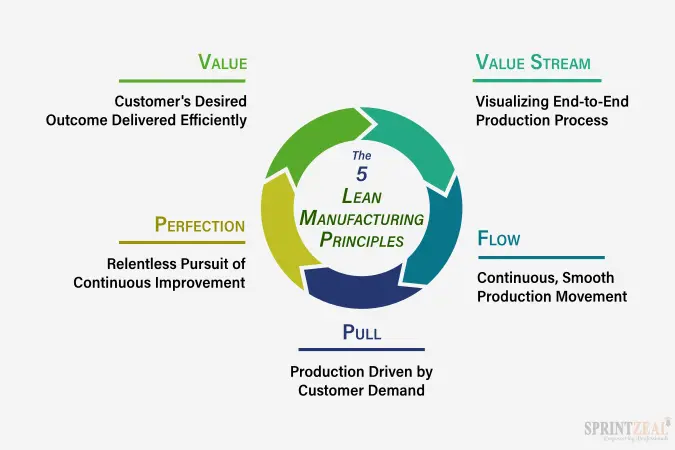
The key principles of lean management include value, value stream, flow, pull, and perfection. These principles provide a framework for understanding and implementing lean management. The value principle focuses on creating value for the customer, while the value stream principle involves analyzing the series of processes that create value. The flow principle aims to create a smooth flow of processes, while the pull principle involves producing only what is needed, when it is needed. The perfection principle emphasizes the importance of continuous improvement.
The Benefits of Lean Management for Competitiveness
The benefits of lean management for competitiveness are numerous. It helps companies to improve their efficiency, reduce costs, and enhance their overall performance. Lean management also helps to improve quality, reduce lead times, and increase customer satisfaction. Additionally, it provides a framework for innovation and continuous improvement, which are essential for staying ahead of the competition.
How to Implement Lean Management in an Organization
Implementing lean management in an organization requires a systematic approach. It involves training and educating employees, analyzing the value stream, and identifying areas for improvement. It also requires leadership commitment and a culture of continuous improvement. Companies should start by identifying areas of waste and implementing kaizen events, which are focused improvement projects. They should also establish metrics to measure progress and track performance.
Challenges and Opportunities of Lean Management
The challenges of lean management include resistance to change, lack of leadership commitment, and insufficient training. However, the opportunities are numerous. Lean management provides a framework for innovation, growth, and improvement. It also helps companies to reduce costs, improve quality, and increase customer satisfaction. By embracing lean management, companies can stay ahead of the competition and achieve their goals.
| Principle | Description |
|---|---|
| Value | Create value for the customer |
| Value Stream | Analyze the series of processes that create value |
| Flow | Create a smooth flow of processes |
| Pull | Produce only what is needed, when it is needed |
| Perfection | Emphasize continuous improvement |
Why is lean management important for an organization?
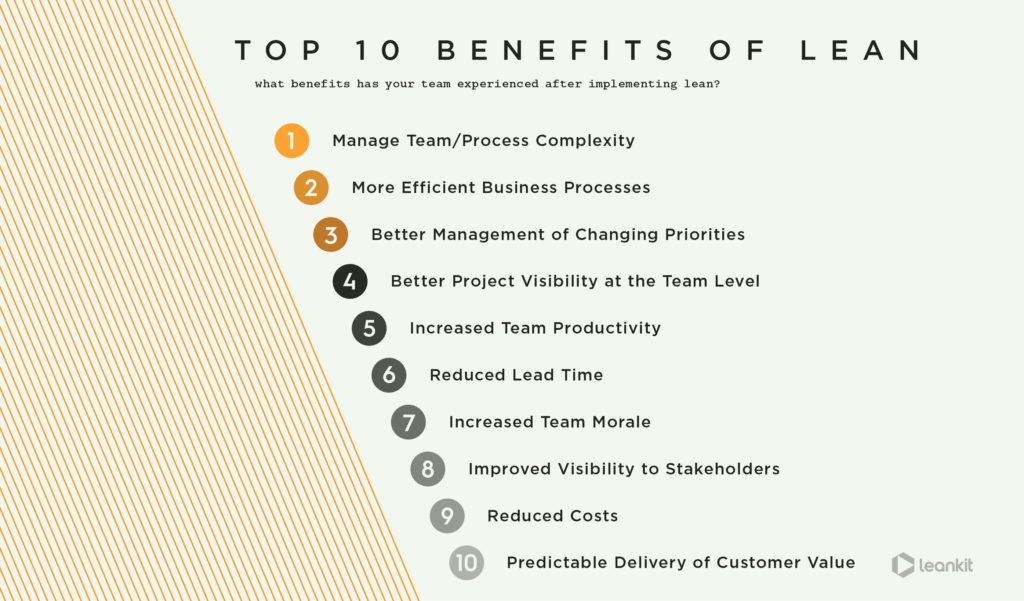
Lean management is crucial for an organization because it enables efficient use of resources, reduces waste, and improves overall performance. By adopting lean management principles, organizations can streamline their processes, eliminate non-value-added activities, and focus on delivering value to customers. This approach helps organizations to respond quickly to changing market conditions, innovate continuously, and achieve sustainable growth.
Improved Operational Efficiency
Lean management is essential for organizations because it helps to optimize operational efficiency. By implementing lean principles, organizations can identify and eliminate waste, reduce lead times, and improve productivity. Some of the key benefits of lean management in operational efficiency include:
- Reduced inventory levels and improved supply chain management
- Streamlined processes and eliminated non-value-added activities
- Improved quality and reduced defects
Enhanced Customer Satisfaction
Lean management is vital for organizations because it helps to enhance customer satisfaction. By focusing on value-added activities and eliminating waste, organizations can deliver high-quality products and services that meet customer needs. Some of the key benefits of lean management in customer satisfaction include:
- Improved product quality and reduced defects
- Faster response times and improved delivery performance
- Increased customer loyalty and retention
Increased Competitiveness
Lean management is essential for organizations because it helps to increase competitiveness. By adopting lean principles, organizations can reduce costs, improve productivity, and innovate continuously. Some of the key benefits of lean management in competitiveness include:
- Reduced costs and improved profitability
- Improved innovation and faster time-to-market
- Increased market share and competitive advantage
How does lean contribute to competitive advantage?

Lean contributes to competitive advantage by enabling organizations to streamline their processes, eliminate waste, and focus on delivering value to customers. This approach allows companies to outperform their rivals by being more agile, responsive, and efficient. By adopting lean principles, organizations can improve their profitability, market share, and reputation.
Enhancing Operational Efficiency
Lean contributes to operational efficiency by identifying and eliminating non-value-added activities, which enables organizations to optimize their resources and reduce waste. This can be achieved through:
- Implementing just-in-time production systems to minimize inventory and lead times
- Introducing total productive maintenance to maximize equipment uptime and reduce downtime
- Streamlining business processes to eliminate bottlenecks and inefficiencies
By enhancing operational efficiency, organizations can improve quality, reduce costs, and increase customer satisfaction.
Improving Product Development and Innovation
Lean contributes to product development and innovation by enabling organizations to accelerate the development of new products and services. This can be achieved through:
- Applying agile methodologies to facilitate collaboration and flexibility in product development
- Using design for manufacture and assembly to simplify production and reduce costs
- Encouraging continuous improvement and experimentation to drive innovation and growth
By improving product development and innovation, organizations can stay ahead of the competition, enter new markets, and create new opportunities.
Building a Culture of Continuous Improvement
Lean contributes to competitive advantage by fostering a culture of continuous improvement within organizations. This can be achieved through:
- Developing a lean mindset that encourages empowerment, accountability, and collaboration among employees
- Establishing performance metrics and benchmarking to measure progress and identify areas for improvement
- Providing training and development opportunities to enhance skills and knowledge among employees
By building a culture of continuous improvement, organizations can drive growth, improve customer satisfaction, and achieve sustainable success.
How does lean management improve efficiency?

Lean management is a philosophy that aims to minimize waste and maximize value for customers by optimizing processes and improving efficiency. It involves identifying and eliminating non-value-added activities, streamlining workflows, and empowering employees to take ownership of their work. By implementing lean management principles, organizations can significantly improve their efficiency, reduce costs, and enhance customer satisfaction.
Streamlining Processes
Lean management improves efficiency by streamlining processes and eliminating bottlenecks. This is achieved by mapping out workflows, identifying areas of waste, and implementing changes to reduce lead times and improve productivity. Some key ways to streamline processes include:
- Implementing just-in-time production to reduce inventory levels and minimize waste
- Introducing total productive maintenance to reduce equipment downtime and improve overall equipment effectiveness
- Using visual management tools to track progress and identify areas for improvement
Improving Employee Engagement
Lean management also improves efficiency by empowering employees to take ownership of their work and continuously improve processes. This is achieved by providing employees with the training and tools they need to succeed, and encouraging them to identify areas for improvement and implement changes. Some key ways to improve employee engagement include:
- Implementing employee suggestion systems to encourage employees to contribute ideas for improvement
- Providing regular feedback and coaching to help employees develop their skills and knowledge
- Recognizing and rewarding employees for their contributions to process improvement
Enhancing Customer Value
Lean management improves efficiency by focusing on delivering value to customers and eliminating waste. This is achieved by understanding customer needs and expectations, and designing processes to meet those needs while minimizing waste. Some key ways to enhance customer value include:
- Using customer feedback to identify areas for improvement and inform process changes
- Implementing quality control measures to ensure that products or services meet customer expectations
- Continuously monitoring and improving processes to ensure that they remain aligned with customer needs
Why is lean so important?
Lean is crucial in today's fast-paced business environment because it enables organizations to stay competitive and agile. The lean methodology focuses on eliminating waste, optimizing processes, and improving efficiency. By adopting a lean approach, companies can streamline their operations, reduce costs, and enhance customer satisfaction.
Key Principles of Lean
- Value: Define value from the customer's perspective and focus on creating value-added activities
- Value Stream: Identify and map out the value stream to understand the flow of processes and eliminate waste
- Flow: Create a smooth flow of processes to reduce lead times and improve efficiency
The key principles of lean are essential in understanding why lean is important. By focusing on value, value stream, and flow, organizations can simplify their processes, reduce waste, and improve quality.
Benefits of Lean Implementation
- Increased Efficiency: Lean implementation leads to improved productivity and reduced lead times
- Cost Savings: By eliminating waste and optimizing processes, companies can reduce costs and improve profitability
- Enhanced Customer Satisfaction: Lean helps organizations focus on customer needs and deliver high-quality products and services
The benefits of lean implementation are numerous, and organizations that adopt a lean approach can experience significant improvements in efficiency, cost savings, and customer satisfaction.
Challenges and Opportunities in Lean Implementation
- Cultural Transformation: Lean implementation requires a cultural shift towards a customer-centric and process-oriented mindset
- Resistance to Change: Organizations may face resistance to change from employees who are accustomed to traditional ways of working
- Continuous Improvement: Lean encourages continuous improvement, which can be a challenge for organizations that are not used to ongoing evaluation and iteration
The challenges and opportunities in lean implementation are significant, and organizations must be prepared to address the cultural, process, and technological aspects of lean to achieve success.
More information
What is Lean Management and how does it impact Competitiveness?
Lean Management is a philosophy that aims to minimize waste and maximize value for customers. It is a crucial approach for companies to achieve competitiveness in today's fast-paced business environment. By implementing Lean Management, companies can streamline their operations, reduce costs, and improve productivity. This approach focuses on continuous improvement, encouraging employees to identify and eliminate inefficiencies in processes, leading to increased efficiency and effectiveness. As a result, companies can respond quickly to changing market conditions, innovate, and deliver high-quality products and services that meet customer needs.
How does a Master's in Lean Management contribute to Efficient Companies?
A Master's in Lean Management provides individuals with the knowledge and skills necessary to lead organizational transformations and drive business excellence. This advanced degree program equips students with a deep understanding of Lean principles, tools, and techniques, enabling them to analyze and solve complex problems in operations management. By pursuing a Master's in Lean Management, individuals can develop strategic thinking, leadership, and communication skills, which are essential for implementing change initiatives and driving cultural transformation within organizations. Furthermore, this degree program helps individuals network with like-minded professionals, sharing best practices and industry insights that can be applied to drive innovation and growth in their respective companies.
What are the key benefits of implementing Lean Management in Companies?
The implementation of Lean Management in companies offers numerous benefits, including improved customer satisfaction, increased productivity, and reduced waste. By focusing on value-added activities and eliminating non-value-added activities, companies can enhance their competitiveness and respond quickly to changing market conditions. Lean Management also promotes employee engagement, encouraging collaboration and continuous improvement. Additionally, this approach enables companies to reduce costs, improve quality, and increase speed, leading to increased revenue and profitability. As a result, companies can achieve sustainable growth, innovate, and stay ahead of the competition in today's fast-paced business environment.
How can Companies measure the effectiveness of Lean Management initiatives?
Companies can measure the effectiveness of Lean Management initiatives by tracking key performance indicators (KPIs) such as lead time, cycle time, throughput, and defect rate. These metrics provide insights into the efficiency and productivity of operations, enabling companies to identify areas for improvement and make data-driven decisions. Additionally, companies can use benchmarking to compare their performance with that of industry leaders, identifying best practices and opportunities for improvement. By regularly assessing and evaluating the effectiveness of Lean Management initiatives, companies can refine their strategies, adjust their tactics, and ensure that their operations are aligned with their business objectives, ultimately achieving sustainable growth and competitiveness.
Leave a Reply