
Reputable Online MBA Programs: Choose a Trustworthy MBA

Pursuing an online Master of Business Administration (MBA) can be a game-changer for professionals seeking to advance their careers. With numerous options available, it's crucial to choose a reputable program that aligns with your goals and provides a valuable learning experience. A trustworthy online MBA program should offer academic excellence, flexibility, and strong career support. In this article, we'll explore the key factors to consider when selecting a reputable online MBA program, helping you make an informed decision and achieve your professional aspirations. Accreditation and curriculum quality are just the beginning.
Reputable Online MBA Programs: A Guide to Choosing a Trustworthy Institution
When it comes to pursuing an online Master of Business Administration (MBA) degree, it's essential to choose a reputable program that meets your needs and provides a high-quality education. With so many online MBA programs available, it can be challenging to determine which ones are trustworthy and will provide the best return on investment. Here are some key factors to consider when selecting a reputable online MBA program.
Accreditation and Recognition
Accreditation is a critical factor in determining the reputation of an online MBA program. Look for programs that are accredited by recognized accrediting agencies, such as the Association to Advance Collegiate Schools of Business (AACSB) or the Accreditation Council for Business Schools and Programs (ACBSP). These organizations ensure that the program meets certain standards of quality and rigor. Additionally, consider programs that are recognized by reputable rankings, such as US News & World Report or Forbes.
Program Curriculum and Specializations
A reputable online MBA program should have a well-rounded curriculum that covers a range of business topics, including finance, marketing, operations, and management. Consider programs that offer specializations or concentrations in areas that align with your career goals, such as entrepreneurship, sustainability, or international business. A strong curriculum should also include case studies, group projects, and real-world applications to provide practical experience.
Faculty and Instruction
The quality of the faculty is crucial in determining the reputation of an online MBA program. Look for programs with experienced instructors who have a strong background in business and industry. Consider programs that offer interactive learning opportunities, such as live sessions, discussion forums, and one-on-one mentoring. A reputable program should also have a low student-to-faculty ratio to ensure personalized attention and support.
Support Services and Resources
A reputable online MBA program should provide a range of support services and resources to help students succeed. Consider programs that offer academic advising, career counseling, and technical support. Look for programs with strong alumni networks and industry connections to provide opportunities for networking and job placement. A reputable program should also have a user-friendly online platform with access to library resources, research databases, and other tools to support learning.
Cost and Return on Investment
The cost of an online MBA program is a significant factor to consider. Look for programs that offer competitive pricing and flexible payment options. Consider programs that offer scholarships, grants, and financial aid to help offset the cost. A reputable program should also provide a strong return on investment, with high job placement rates and salary increases for graduates.
| Program | Accreditation | Tuition | Duration | Specializations |
|---|---|---|---|---|
| University of Michigan | AACSB | $60,000 | 24 months | Finance, Marketing |
| Indiana University | ACBSP | $40,000 | 20 months | Entrepreneurship, Sustainability |
| University of Texas | AACSB | $50,000 | 22 months | International Business, Operations |
Which online university is the best for MBA?

The best online university for an MBA can vary depending on several factors, including accreditation, curriculum, and reputation. Some of the top online universities for an MBA include Indiana University, University of Florida, and Carnegie Mellon University. These universities offer a range of specializations, such as finance, marketing, and international business, and provide students with the opportunity to network with other professionals and gain practical experience.
Online MBA Program Options
There are several online MBA program options available, each with its own unique features and benefits. Some programs are designed for working professionals, while others are geared towards full-time students. When choosing an online MBA program, it's essential to consider factors such as program length, cost, and format. Here are some key considerations:
- Asynchronous programs allow students to complete coursework on their own schedule, while synchronous programs require students to participate in live online sessions.
- Specializations such as finance, marketing, and international business can help students develop expertise in a specific area.
- Accreditation from a recognized accrediting agency, such as the Association to Advance Collegiate Schools of Business (AACSB), is crucial for ensuring the quality and legitimacy of the program.
Benefits of Online MBA Programs
Online MBA programs offer several benefits, including flexibility, convenience, and affordability. Students can complete coursework from anywhere with an internet connection, making it easier to balance work and family responsibilities. Additionally, online programs often have lower tuition rates than traditional on-campus programs. Here are some key benefits:
- Flexibility to complete coursework on your own schedule, allowing you to balance work and family responsibilities.
- Access to a global network of professionals and alumni, providing opportunities for career advancement and networking.
- Personalized learning experiences, with one-on-one support from instructors and small class sizes.
Top Online MBA Universities
Some of the top online MBA universities include Indiana University, University of Florida, and Carnegie Mellon University. These universities offer high-quality programs with experienced instructors and state-of-the-art technology. When choosing an online MBA university, it's essential to consider factors such as reputation, accreditation, and curriculum. Here are some key considerations:
- Rankings from reputable sources, such as US News & World Report, can help you evaluate the quality and reputation of the program.
- Curriculum that includes core courses in business, such as finance, marketing, and accounting, as well as electives in specialized areas.
- Support services, such as career counseling and academic advising, can help you succeed in the program and achieve your career goals.
Which MBA ranking is most reliable?

The reliability of MBA rankings can be a topic of debate among business schools and potential students. Different rankings use distinct methodologies, which can lead to varying results. The most reliable ranking is often subjective and depends on individual preferences and priorities. Some of the most well-known MBA rankings include those published by Forbes, Bloomberg Businessweek, and Financial Times.
Methodology and Criteria
The methodology and criteria used by each ranking can significantly impact the results. For instance, some rankings may prioritize job placement rates, while others may focus on alumni satisfaction or faculty quality. When evaluating the reliability of an MBA ranking, it's essential to consider the following factors:
- Survey responses: The number and quality of survey responses from alumni, students, and employers can affect the accuracy of the ranking.
- Data collection: The method of data collection, including the sources and timing, can influence the results.
- Weighting of criteria: The weight assigned to each criterion, such as GMAT scores or graduation rates, can impact the overall ranking.
Ranking Consistency and Stability
Another factor to consider when evaluating the reliability of an MBA ranking is consistency and stability over time. A ranking that exhibits wild fluctuations from year to year may be less reliable than one that shows consistent trends. Additionally, rankings that are transparent about their methodology and data collection processes can be more trustworthy. Some key points to consider include:
- Year-over-year changes: Significant changes in a school's ranking from one year to the next can indicate a lack of stability.
- Consistency across rankings: A school that consistently ranks high across multiple rankings may be a more reliable choice.
- Transparency and accountability: Rankings that provide detailed information about their methodology and data collection can be more trustworthy.
Specialization and Focus
Finally, the specialization and focus of an MBA program can also impact the reliability of a ranking. Some rankings may prioritize general management programs, while others may focus on specialized programs, such as finance or marketing. When evaluating the reliability of an MBA ranking, it's crucial to consider the following factors:
- Program specialization: The ranking's focus on specific areas, such as entrepreneurship or sustainability, can affect the results.
- Industry recognition: The recognition and reputation of the ranking within the business community can influence its reliability.
- Geographic location: The ranking's emphasis on regional or global programs can impact the results.
Do employers care if your MBA is online?
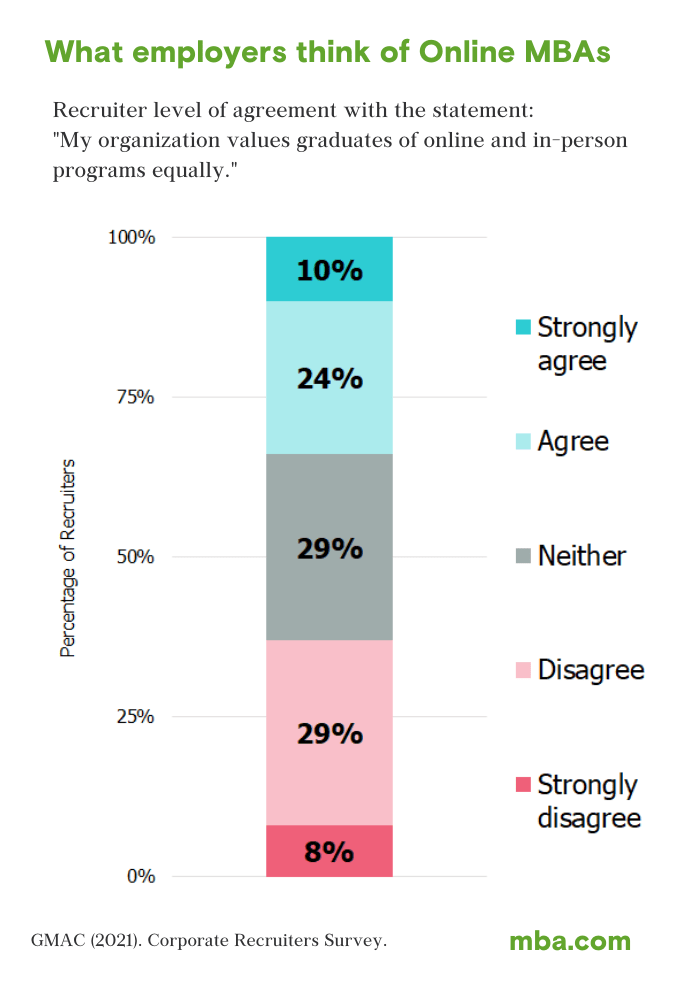
The perception of online MBAs has undergone a significant shift in recent years, with many top-ranked universities now offering online programs that are equivalent in quality to their on-campus counterparts. As a result, employers are becoming increasingly accepting of online MBAs, recognizing that the credential itself is more important than the delivery method. However, some employers may still have concerns about the validity or rigor of an online program, particularly if they are not familiar with the university or program.
Perception of Online MBAs
The perception of online MBAs is influenced by various factors, including the reputation of the university, the quality of the program, and the level of interactivity provided. Many online MBAs now offer live classes, group projects, and one-on-one interactions with professors, which can help to alleviate concerns about the lack of face-to-face interaction. Some of the key factors that influence the perception of online MBAs include:
- Accreditation: The accreditation status of the university and program is crucial in determining the perception of the online MBA.
- Curriculum: The curriculum of the online MBA should be comprehensive and relevant to the industry or field of study.
- Faculty: The faculty of the online MBA should be experienced and qualified, with a strong reputation in their field of expertise.
Employer Acceptance
Employer acceptance of online MBAs is increasing, as more and more top companies recognize the value of an online MBA. Many employers now see online MBAs as a viable alternative to traditional on-campus programs, particularly for working professionals who need to balance their work and family responsibilities with their educational goals. Some of the key factors that influence employer acceptance of online MBAs include:
- Recognition: The recognition of the university and program by employers is crucial in determining the acceptance of the online MBA.
- Reputation: The reputation of the university and program is important in determining the perception of the online MBA by employers.
- Skills: The skills and knowledge acquired through the online MBA should be relevant and applicable to the industry or field of study.
Future of Online MBAs
The future of online MBAs looks promising, as technology continues to advance and improve the delivery and quality of online programs. Many universities are now investing heavily in online infrastructure, including virtual classrooms, online libraries, and career services, to support their online students. Some of the key trends that are shaping the future of online MBAs include:
- Personalization: The use of artificial intelligence and machine learning to personalize the learning experience for online students.
- Accessibility: The increasing accessibility of online MBAs, particularly for underrepresented groups, such as women and minorities.
- Innovation: The innovation and creativity of online MBAs, including the use of virtual reality and gamification to enhance the learning experience.
What is the best accreditation for MBA programs?
The best accreditation for MBA programs is a topic of much debate among business schools and accreditation agencies. The most well-known and respected accreditations for MBA programs are the Association to Advance Collegiate Schools of Business (AACSB), the Accreditation Council for Business Schools and Programs (ACBSP), and the International Accreditation Council for Business Education (IACBE). These accreditations ensure that MBA programs meet certain standards of quality and provide students with a rigorous and relevant education.
Types of Accreditation
The types of accreditation for MBA programs vary, but the most common are institutional accreditation and programmatic accreditation. Institutional accreditation refers to the accreditation of the entire institution, while programmatic accreditation refers to the accreditation of a specific program, such as an MBA program. Some of the key factors to consider when evaluating accreditation include:
- The accreditation agency itself, such as the AACSB or ACBSP
- The standards and criteria used to evaluate the program
- The process of accreditation, including the application, review, and site visit
Benefits of Accreditation
The benefits of accreditation for MBA programs are numerous, including increased credibility and recognition among employers and other business schools. Accreditation also ensures that the program meets certain standards of quality, which can lead to improved student outcomes and higher job placement rates. Some of the key benefits of accreditation include:
- Validation of the program's curriculum and faculty
- Enhanced reputation among employers and other business schools
- Access to resources and networking opportunities through the accrediting agency
Choosing an Accredited Program
Choosing an accredited MBA program can be a complex and time-consuming process, but it is an important one. Students should consider a variety of factors, including the accreditation status of the program, as well as the reputation and rankings of the school. Some of the key factors to consider when choosing an accredited program include:
- The accreditation agency and its standards and criteria
- The program's curriculum and specializations
- The faculty and their research and teaching expertise
Frequently Asked Questions
What are the key factors to consider when choosing a reputable online MBA program?
When selecting a reputable online MBA program, there are several critical factors to consider. Firstly, it is essential to look for programs that are accredited by recognized accrediting agencies, such as the Association to Advance Collegiate Schools of Business (AACSB) or the Accreditation Council for Business Schools and Programs (ACBSP). This ensures that the program meets certain standards of quality and rigor. Additionally, consider the program's reputation, including its rankings and reviews from reputable sources, such as US News & World Report or Bloomberg Businessweek. It is also crucial to evaluate the program's curriculum, including the courses and specializations offered, to ensure they align with your career goals and interests. Furthermore, consider the program's flexibility, including the format and pace of the courses, to ensure it fits your lifestyle and schedule.
How can I ensure the online MBA program I choose is trustworthy and legitimate?
To ensure the online MBA program you choose is trustworthy and legitimate, it is vital to conduct thorough research. Start by verifying the program's accreditation status and checking for any red flags, such as complaints or lawsuits. You can also check the program's website for transparency and clarity regarding their admissions process, tuition fees, and graduation requirements. Moreover, look for reviews and testimonials from current students and alumni to get a sense of their experiences and outcomes. It is also essential to contact the program's admissions team directly to ask questions and clarify any concerns you may have. By taking these steps, you can increase your confidence in the program's legitimacy and make a more informed decision.
What are the benefits of pursuing an online MBA from a reputable program?
Pursuing an online MBA from a reputable program can have numerous benefits. One of the most significant advantages is the flexibility to balance your work and personal life while still advancing your education and career. Online MBA programs also offer access to a global network of peers and alumni, providing valuable connections and opportunities. Additionally, a reputable online MBA program can enhance your skills and knowledge in areas such as leadership, strategy, and finance, making you a more competitive and attractive candidate in the job market. Furthermore, many online MBA programs offer specializations and concentrations that can help you develop expertise in a specific area, such as marketing or entrepreneurship. By choosing a reputable online MBA program, you can invest in your future and achieve your career goals.
How can I evaluate the quality of an online MBA program's faculty and curriculum?
To evaluate the quality of an online MBA program's faculty and curriculum, there are several key factors to consider. Firstly, look for programs with experienced and qualified faculty who have strong academic and professional backgrounds. Check the program's website for faculty profiles and bios to get a sense of their expertise and areas of specialization. Additionally, evaluate the program's curriculum to ensure it is comprehensive, relevant, and aligned with your career goals and interests. Look for programs that offer a range of courses and electives, as well as opportunities for specialization and concentration. It is also essential to consider the program's delivery method, including the use of technology and online learning platforms, to ensure it is engaging and effective. By carefully evaluating these factors, you can get a sense of the program's overall quality and make a more informed decision about your investment in an online MBA.
Leave a Reply