
Online MBA in Risk Management: Expert in Business Risk Mitigation

In today's fast-paced business landscape, managing risk is crucial for success. An Online MBA in Risk Management equips professionals with the expertise to identify, assess, and mitigate potential threats to their organization. This specialized program focuses on developing strategic thinking, analytical skills, and effective decision-making to navigate complex risk scenarios. By pursuing an Online MBA in Risk Management, individuals can gain a competitive edge in their careers and become experts in minimizing business risks, ultimately driving growth and profitability in their respective industries. This degree is ideal for professionals seeking to enhance their risk management capabilities.
Mastering Business Risk Mitigation with an Online MBA in Risk Management
An Online MBA in Risk Management is a graduate degree program designed to equip students with the knowledge and skills necessary to identify, assess, and mitigate risks in business. This program is ideal for professionals who want to advance their careers in risk management, compliance, or related fields. The curriculum typically covers topics such as financial risk management, operational risk management, and strategic risk management. Students learn how to analyze and evaluate risks, develop risk mitigation strategies, and implement effective risk management systems.
Understanding the Importance of Risk Management in Business
Risk management is a critical component of business operations, as it helps organizations to minimize losses and maximize gains. Effective risk management involves identifying potential risks, assessing their likelihood and impact, and implementing strategies to mitigate or manage them. An Online MBA in Risk Management program teaches students how to identify and assess risks, as well as develop and implement effective risk management plans. This includes understanding regulatory compliance, risk assessment, and risk mitigation strategies.
Key Skills and Knowledge Required for Risk Management
To be successful in risk management, professionals need to possess a combination of technical, business, and soft skills. These include data analysis, financial modeling, and communication skills. An Online MBA in Risk Management program helps students develop these skills, as well as gain knowledge in areas such as risk management frameworks, risk assessment tools, and regulatory requirements. Students learn how to apply theoretical concepts to real-world problems and develop practical solutions to risk management challenges.
Online MBA in Risk Management Curriculum
The curriculum for an Online MBA in Risk Management program typically includes a combination of core and elective courses. Core courses cover topics such as financial management, accounting, and marketing, while elective courses focus on risk management-specific topics such as risk assessment, risk mitigation, and compliance. Students may also have the opportunity to specialize in a particular area of risk management, such as cybersecurity or supply chain risk management.
Career Opportunities for Online MBA in Risk Management Graduates
Graduates of an Online MBA in Risk Management program can pursue a variety of career opportunities in risk management and related fields. These include risk manager, compliance officer, internal auditor, and business consultant. With the increasing demand for risk management professionals, graduates can expect to find employment in a range of industries, including finance, healthcare, and technology.
Benefits of Pursuing an Online MBA in Risk Management
Pursuing an Online MBA in Risk Management offers several benefits, including flexibility, convenience, and cost-effectiveness. Online programs allow students to study from anywhere, at any time, making it ideal for working professionals. The program also provides students with the opportunity to network with peers and instructors from around the world, gaining a global perspective on risk management.
| Course | Description |
|---|---|
| Risk Management Frameworks | Introduction to risk management frameworks and standards |
| Risk Assessment and Mitigation | Techniques for identifying, assessing, and mitigating risks |
| Regulatory Compliance | Overview of regulatory requirements and compliance strategies |
| Financial Risk Management | Introduction to financial risk management techniques and tools |
| Strategic Risk Management | Integration of risk management into organizational strategy |
Is a master's in risk management worth it?
A master's in risk management can be a valuable investment for individuals looking to advance their careers in the field of risk management. This degree program provides students with a comprehensive understanding of the principles and practices of risk management, including risk assessment, risk mitigation, and risk monitoring. With a master's in risk management, individuals can gain the knowledge and skills needed to identify, assess, and mitigate potential risks in various industries, such as finance, healthcare, and technology.
Benefits of a Master's in Risk Management
A master's in risk management offers several benefits, including:
- Enhanced career opportunities: A master's degree in risk management can lead to advanced career opportunities, such as chief risk officer or risk manager.
- Increased earning potential: Individuals with a master's in risk management can earn higher salaries, with median salaries ranging from $80,000 to over $150,000 depending on the industry and location.
- Improved skills and knowledge: A master's program in risk management provides students with a deep understanding of risk management frameworks, regulatory requirements, and industry best practices.
This degree program can help individuals develop the skills and knowledge needed to succeed in the field of risk management, including data analysis, communication, and problem-solving.
Specializations in Risk Management
A master's in risk management can be specialized in various areas, such as:
- Financial risk management: This specialization focuses on the management of financial risks, including market risk, credit risk, and operational risk.
- Cyber risk management: This specialization focuses on the management of cyber risks, including cybersecurity, incident response, and data protection.
- Enterprise risk management: This specialization focuses on the management of risks across an entire organization, including strategic risk, operational risk, and compliance risk.
These specializations can help individuals develop a deeper understanding of specific areas of risk management and gain the skills and knowledge needed to succeed in these areas.
Industries that Value a Master's in Risk Management
A master's in risk management can be valuable in various industries, including:
- Finance and banking: This industry values risk management professionals who can identify and mitigate potential risks, such as market risk and credit risk.
- Healthcare: This industry values risk management professionals who can identify and mitigate potential risks, such as patient safety risk and compliance risk.
- Technology: This industry values risk management professionals who can identify and mitigate potential risks, such as cyber risk and data protection risk.
These industries require professionals with a strong understanding of risk management principles and practices, and a master's in risk management can provide the necessary knowledge and skills to succeed in these industries.
Do employers care if your MBA is online?
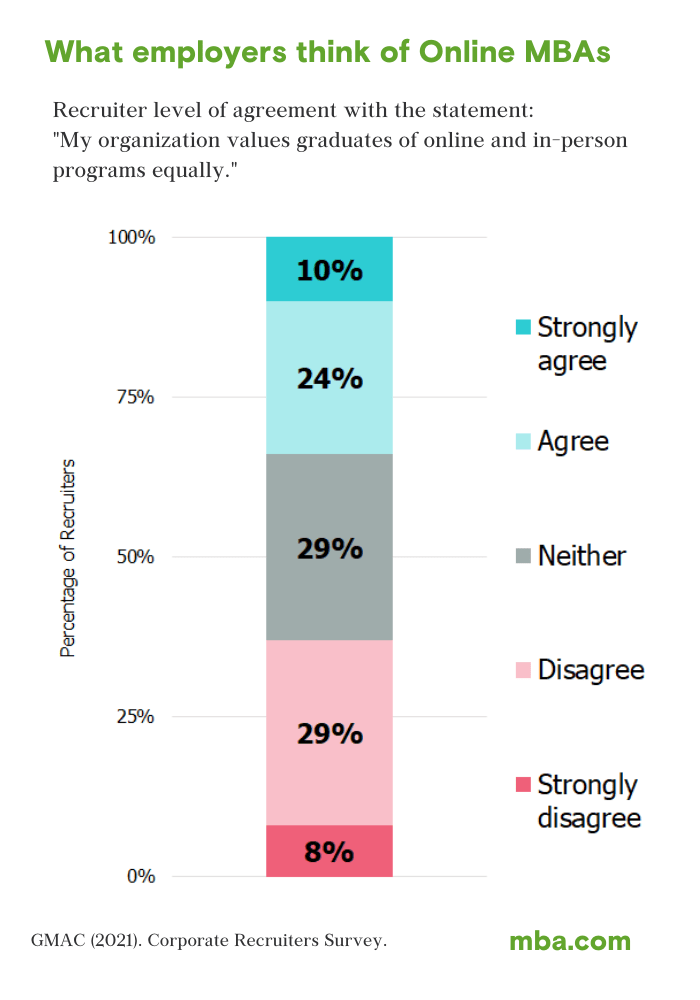
The perception of online MBAs has changed significantly over the years, and many employers now recognize the value of an online degree. While some may still have concerns about the quality of online education, many top-ranked universities offer online MBAs that are just as rigorous and reputable as their on-campus counterparts. As a result, having an online MBA is no longer a barrier to career advancement. In fact, many employers are more interested in the skills and knowledge gained through an MBA program, regardless of whether it was completed online or on-campus.
Perception of Online MBAs
The perception of online MBAs has undergone a significant shift in recent years, with many accrediting agencies and universities recognizing the value of online education. As a result, online MBAs are now seen as a viable alternative to traditional on-campus programs. Some of the key benefits of online MBAs include:
- Flexibility: Online MBAs offer students the flexibility to complete coursework on their own schedule, making it easier to balance work and family responsibilities.
- Accessibility: Online MBAs can be completed from anywhere with an internet connection, making it possible for students to pursue an MBA from a top-ranked university regardless of their location.
- Cost-effectiveness: Online MBAs are often more cost-effective than traditional on-campus programs, with lower tuition fees and no need to relocate.
Employer Preferences
While some employers may still have preconceptions about online MBAs, many are now recognizing the value of an online degree. In fact, a recent survey found that 80% of employers consider an online MBA to be just as valuable as a traditional on-campus MBA. Some of the key factors that influence an employer's perception of an online MBA include:
- Accreditation: Employers are more likely to recognize an online MBA from a regionally accredited university.
- Reputation: The reputation of the university and its online MBA program can also impact an employer's perception.
- Curriculum: Employers are interested in the curriculum and specializations offered by an online MBA program, and whether they align with their business needs.
Career Advancement Opportunities
Having an online MBA can provide career advancement opportunities in a variety of fields, including management, consulting, and entrepreneurship. Some of the key benefits of an online MBA for career advancement include:
- Networking opportunities: Online MBAs provide access to a global network of professionals and alumni, which can be beneficial for career advancement.
- Skill development: Online MBAs help develop essential skills such as leadership, strategic thinking, and communication.
- Career services: Many online MBA programs offer career services and support to help graduates achieve their career goals.
What is the hardest online MBA program to get into?

The hardest online MBA program to get into is often a topic of discussion among aspiring business leaders. Top-ranked universities and business schools offer highly competitive online MBA programs that attract a large pool of applicants. These programs are designed to provide students with a comprehensive education in business administration, covering topics such as finance, marketing, and management. The admission process for these programs is highly selective, with admissions committees looking for candidates with strong academic backgrounds, relevant work experience, and a clear vision for their future careers.
Admission Requirements
The admission requirements for the hardest online MBA programs to get into are typically very stringent. Applicants must have a strong undergraduate degree from an accredited institution, with a minimum GPA of 3.0 or higher. Additionally, applicants must have significant work experience, typically 2-5 years, in a related field. The admissions committee also looks for applicants with strong leadership skills, excellent communication skills, and a proven track record of achievement. Some of the key admission requirements include:
- A strong undergraduate degree from an accredited institution
- Relevant work experience, typically 2-5 years
- Competitive GMAT or GRE scores, with an average score of 700 or higher
Program Curriculum
The curriculum for the hardest online MBA programs to get into is designed to provide students with a comprehensive education in business administration. The program typically covers topics such as financial management, marketing strategy, and organizational behavior. The curriculum is often diverse, with courses taught by experienced faculty members who are experts in their fields. Some of the key courses include:
- Financial accounting and financial management
- Marketing strategy and brand management
- Organizational behavior and leadership development
Career Opportunities
The hardest online MBA programs to get into often provide students with excellent career opportunities. Graduates of these programs are highly sought after by top employers, including Fortune 500 companies. The programs often have a strong network of alumni, with many graduates going on to successful careers in corporate leadership, entrepreneurship, and consulting. Some of the key career opportunities include:
- Corporate leadership roles, such as CEO or CFO
- Entrepreneurial ventures, such as starting a new business
- Consulting roles, such as management consulting or strategy consulting
What are the 4 types of risk management?
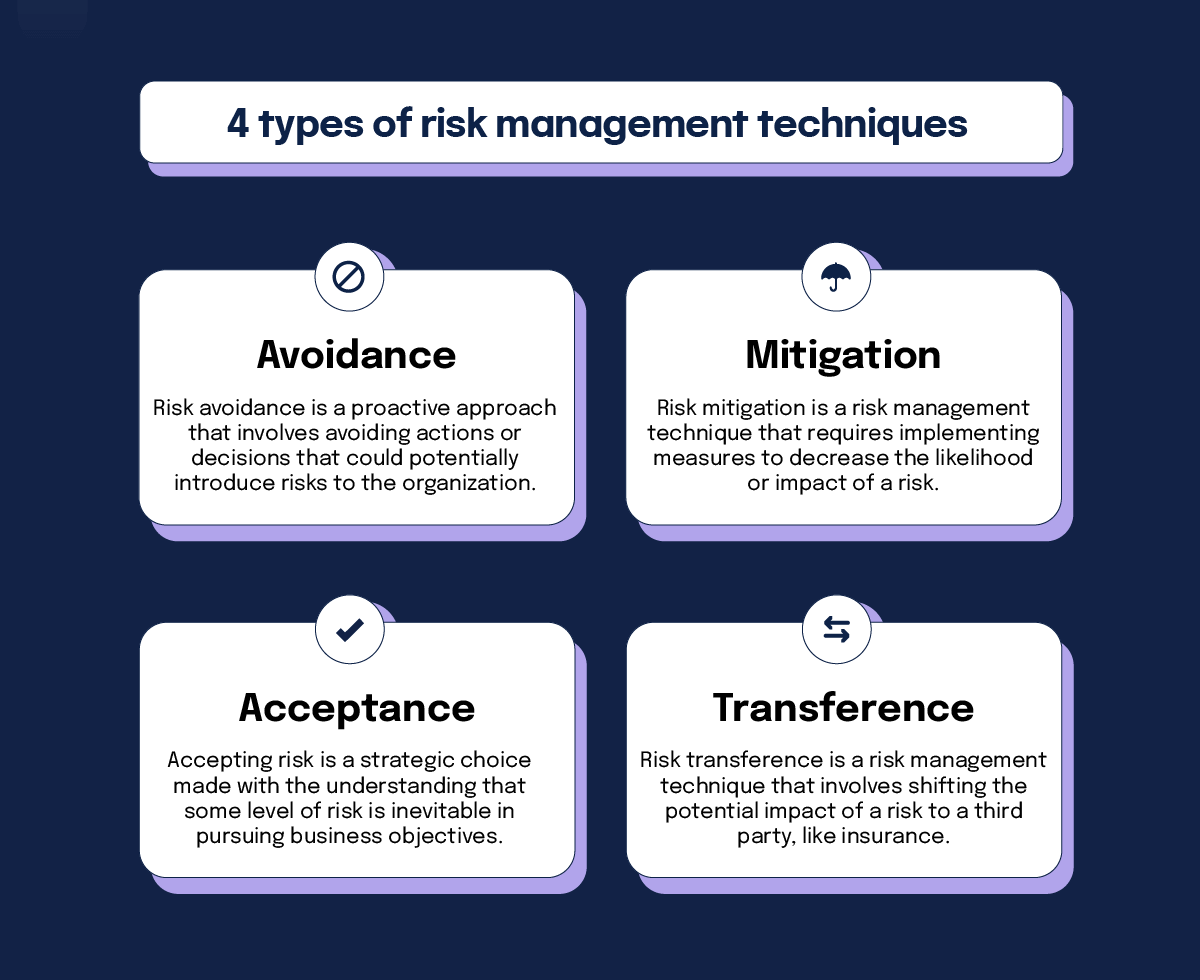
The 4 types of risk management are: Risk Avoidance, Risk Transfer, Risk Mitigation, and Risk Acceptance. These types of risk management are used to manage and minimize the impact of potential risks on an organization or individual.
Risk Management Strategies
Risk management strategies are essential for organizations to minimize the impact of potential risks. Some of the key strategies include:
- Identifying potential risks and assessing their likelihood and impact
- Developing and implementing risk management plans to mitigate or avoid risks
- Monitoring and reviewing risk management processes to ensure their effectiveness
These strategies help organizations to be proactive in managing risks and to reduce the likelihood of risk events occurring.
Risk Assessment and Analysis
Risk assessment and analysis are critical components of risk management. This involves identifying potential risks, assessing their likelihood and impact, and prioritizing them based on their risk score. Some of the key factors to consider when assessing and analyzing risks include:
- Risk likelihood, which refers to the probability of a risk event occurring
- Risk impact, which refers to the potential consequences of a risk event
- Risk velocity, which refers to the speed at which a risk event can occur and spread
By assessing and analyzing risks, organizations can develop effective risk mitigation strategies to minimize their impact.
Benefits of Effective Risk Management
Effective risk management can bring numerous benefits to organizations, including:
- Reduced risk exposure, which can help to minimize the impact of potential risks
- Improved compliance with regulatory requirements and industry standards
- Enhanced reputation and stakeholder trust, which can be critical for long-term success
By implementing effective risk management practices, organizations can minimize the impact of potential risks and achieve their strategic objectives.
Frequently Asked Questions
What is the primary focus of an Online MBA in Risk Management?
The primary focus of an Online MBA in Risk Management is to equip students with the knowledge and skills necessary to identify, assess, and mitigate risk in a business environment. This program is designed to provide students with a comprehensive understanding of risk management principles, practices, and techniques, as well as the ability to apply these concepts to real-world business scenarios. Through a combination of theoretical and practical coursework, students will learn how to analyze and evaluate business risk, develop effective risk mitigation strategies, and implement these strategies in a way that minimizes potential losses and maximizes potential gains. By the end of the program, students will be able to demonstrate a deep understanding of risk management concepts and practices, and be able to apply this knowledge to drive business success.
What are the key benefits of an Online MBA in Risk Management?
The key benefits of an Online MBA in Risk Management include the ability to develop a specialized skillset in risk management, which is highly valued by employers in a variety of industries. Students who complete this program will be able to demonstrate a deep understanding of risk management principles and practices, and will be able to apply this knowledge to drive business success. Additionally, the online format of the program provides students with the flexibility to complete coursework on their own schedule, which is ideal for working professionals who need to balance their educational pursuits with other responsibilities. The program also provides students with access to a network of professionals in the field of risk management, which can be a valuable resource for career advancement and professional development. Overall, the Online MBA in Risk Management is a flexible and practical program that can help students achieve their career goals in risk management.
What career opportunities are available to graduates of an Online MBA in Risk Management?
Graduates of an Online MBA in Risk Management will be qualified for a variety of career opportunities in the field of risk management. Some potential career paths include risk manager, compliance officer, internal auditor, and business continuity manager. These professionals play a critical role in helping organizations identify, assess, and mitigate risk, and are in high demand across a variety of industries. Additionally, graduates of the program may also be qualified for leadership roles in risk management, such as chief risk officer or head of risk management. These roles involve overseeing the development and implementation of risk management strategies, and providing guidance and direction to other professionals in the field. Overall, the Online MBA in Risk Management can provide students with the knowledge, skills, and credentials necessary to pursue a successful and rewarding career in risk management.
How can an Online MBA in Risk Management help organizations mitigate business risk?
An Online MBA in Risk Management can help organizations mitigate business risk by providing students with the knowledge and skills necessary to identify, assess, and mitigate risk in a business environment. Graduates of the program will be able to analyze and evaluate business risk, develop effective risk mitigation strategies, and implement these strategies in a way that minimizes potential losses and maximizes potential gains. This can help organizations reduce their exposure to financial risk, operational risk, and strategic risk, and improve their overall resilience and sustainability. Additionally, the program can help organizations develop a culture of risk awareness and risk management, which is critical for long-term success in today's fast-paced and increasingly complex business environment. By investing in an Online MBA in Risk Management, organizations can demonstrate their commitment to risk management and corporate governance, and enhance their reputation with stakeholders and regulators.
Leave a Reply