
How Does Design Management Drive Business Success? Discover the Value of Strategic Design
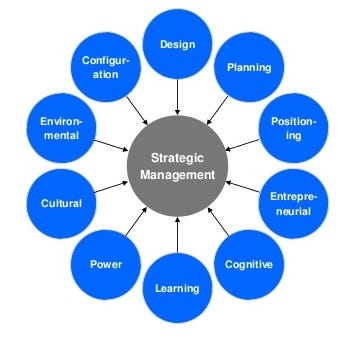
Effective design management is crucial for driving business success in today's competitive market. By integrating strategic design into their operations, companies can gain a significant edge over their competitors. Design management involves the planning, coordination, and implementation of design strategies to achieve business objectives. When done correctly, it can lead to increased brand recognition, improved customer experience, and enhanced revenue growth. In this article, we will explore the value of strategic design and how it can be leveraged to drive business success and sustainability. Strategic design management is essential for forward-thinking companies.

Unlocking Business Potential through Effective Design Management
Design management plays a crucial role in driving business success by providing a strategic approach to design, which can lead to increased revenue, improved brand recognition, and enhanced customer experience. Effective design management involves the integration of design thinking, strategy, and innovation to create a competitive advantage in the market. By adopting a design-driven approach, businesses can differentiate themselves from competitors, improve their products and services, and ultimately drive growth and profitability.
Design Management as a Competitive Advantage
Design management can be a key differentiator for businesses, setting them apart from competitors and establishing a unique market position. By prioritizing design, companies can create products and services that are not only functional but also aesthetically pleasing and user-friendly. This can lead to increased customer satisfaction, loyalty, and retention, ultimately driving business success. Effective design management involves the creation of a design strategy that aligns with the company's overall business goals and objectives.
The Role of Design Thinking in Business Success
Design thinking is a human-centered approach to problem-solving that involves empathy, creativity, and experimentation. By adopting design thinking principles, businesses can develop innovative solutions that meet the needs of their customers and stay ahead of the competition. Design thinking involves a deep understanding of the customer's needs, desires, and behaviors, and uses this information to create products and services that are tailored to their needs.
Measuring the Value of Design Management
Measuring the value of design management can be challenging, but there are several metrics that can be used to evaluate its effectiveness. These include return on investment (ROI), customer satisfaction, and brand recognition. By tracking these metrics, businesses can determine the impact of design management on their bottom line and make informed decisions about future design investments.
Integrating Design Management into Business Operations
To be effective, design management must be integrated into the overall business operations. This involves creating a cross-functional team that includes designers, marketers, and other stakeholders. The team should work together to develop a design strategy that aligns with the company's business goals and objectives. Effective communication and collaboration are key to successful design management, and involve regular meetings, feedback, and iteration.
Best Practices for Effective Design Management
There are several best practices that can help businesses achieve effective design management. These include establishing a clear design vision, developing a design strategy, and creating a design team. Additionally, businesses should prioritize continuous learning and professional development, and stay up-to-date with the latest design trends and technologies.
| Design Management Principles | Description |
|---|---|
| User-centered design | Design that prioritizes the needs and desires of the user |
| Design thinking | A human-centered approach to problem-solving that involves empathy, creativity, and experimentation |
| Cross-functional teams | Teams that include designers, marketers, and other stakeholders working together to develop a design strategy |
| Continuous learning | Prioritizing ongoing learning and professional development to stay up-to-date with the latest design trends and technologies |
| Feedback and iteration | Regular feedback and iteration to refine and improve design solutions |
What is the value of strategic design?

The value of strategic design lies in its ability to drive business growth, improve customer experiences, and create sustainable competitive advantages. By integrating design thinking into the core of an organization, companies can unlock new opportunities for innovation, reduce costs, and increase revenue streams. Strategic design involves a holistic approach to problem-solving, taking into account the needs of customers, employees, and stakeholders to create cohesive brand experiences. This approach enables organizations to stay ahead of the curve, adapt to changing market conditions, and make informed decisions that drive long-term success.
Enhancing Customer Experiences
The value of strategic design in enhancing customer experiences is significant, as it allows companies to create personalized interactions that meet the evolving needs of their customers. This can be achieved through a range of strategies, including:
- Conducting user research to gain a deeper understanding of customer behaviors and preferences
- Developing customer journey maps to identify pain points and opportunities for improvement
- Creating intuitive interfaces that simplify complex processes and reduce friction points
By prioritizing customer experiences, organizations can build brand loyalty, increase customer retention, and drive positive word-of-mouth.
Driving Business Innovation
Strategic design plays a critical role in driving business innovation, as it enables companies to think outside the box and explore new business models. This can be achieved through a range of strategies, including:
- Conducting design sprints to rapidly prototype and test new ideas
- Developing minimum viable products to validate assumptions and reduce risk
- Creating innovation pipelines to continuously generate and evaluate new ideas
By embracing a culture of innovation, organizations can stay ahead of the competition, identify new revenue streams, and create sustainable growth.
Building Sustainable Competitive Advantages
The value of strategic design in building sustainable competitive advantages is significant, as it enables companies to create unique value propositions that differentiate them from their competitors. This can be achieved through a range of strategies, including:
- Developing proprietary technologies that create barriers to entry
- Creating strong brand identities that build emotional connections with customers
- Designing experiential marketing campaigns that create memorable interactions
By prioritizing strategic design, organizations can create sustainable competitive advantages that drive long-term success and make them more attractive to investors.
How does design add value to a business?

Design adds value to a business by creating a unique and memorable brand identity that sets it apart from competitors. This can be achieved through the development of a cohesive visual language, including logos, typography, color schemes, and imagery. Effective design can also improve the user experience, making it easier for customers to navigate and engage with the business's products or services.
Enhancing Brand Identity
Design plays a crucial role in enhancing a business's brand identity by creating a consistent visual language that reflects the company's values and mission. This can be achieved through the use of logos, typography, and color schemes that are consistent across all marketing materials and platforms. Some key ways design enhances brand identity include:
- Developing a unique and recognizable logo that represents the business
- Creating a consistent visual language that reflects the company's values and mission
- Establishing a strong online presence through website design and social media graphics
Improving User Experience
Design can significantly improve the user experience by creating intuitive and user-friendly interfaces that make it easy for customers to navigate and engage with the business's products or services. This can be achieved through the use of clear and concise language, simple navigation, and prominent calls-to-action. Some key ways design improves user experience include:
- Creating simple and intuitive navigation that makes it easy for customers to find what they're looking for
- Developing clear and concise language that communicates the business's message effectively
- Using prominent calls-to-action that encourage customers to take action
Driving Business Growth
Design can drive business growth by creating a competitive advantage and increasing customer engagement. This can be achieved through the development of innovative and effective marketing campaigns that showcase the business's products or services in a unique and compelling way. Some key ways design drives business growth include:
- Creating innovative and effective marketing campaigns that showcase the business's products or services
- Developing strategic partnerships that expand the business's reach and influence
- Using data-driven design decisions to optimize marketing efforts and improve return on investment
How important is design to business success?

Design is a crucial aspect of business success, as it plays a significant role in shaping the identity and brand of a company. A well-designed product or service can help a business to differentiate itself from its competitors, build a strong reputation, and ultimately drive sales and revenue. Effective design can also improve the user experience, making it easier for customers to interact with the company and its products, which can lead to increased customer satisfaction and loyalty.
The Role of Design in Branding
Design is essential for creating a strong brand identity, which is critical for business success. A well-designed brand identity can help to establish a company's values and mission, and communicate these to its target audience. This can be achieved through the use of visual elements such as logos, color schemes, and typography, as well as through the design of marketing materials such as websites, social media, and advertising. Some key aspects of design in branding include:
- Creating a unique and memorable brand identity that sets the company apart from its competitors
- Developing a consistent visual language that is used across all marketing channels
- Using storytelling and emotional connections to create a deeper relationship between the brand and its target audience
The Impact of Design on Customer Experience
Design plays a critical role in shaping the customer experience, which is a key factor in determining business success. A well-designed product or service can make it easier for customers to achieve their goals and needs, which can lead to increased customer satisfaction and loyalty. Effective design can also help to reduce friction and pain points in the customer journey, making it more enjoyable and engaging. Some key aspects of design in customer experience include:
- Conducting user research to understand the needs and behaviors of the target audience
- Creating intuitive and user-friendly interfaces that make it easy for customers to interact with the product or service
- Using feedback and testing to iterate and improve the design of the product or service
The Financial Benefits of Good Design
Good design can have a significant impact on the financial performance of a business, making it a critical factor in business success. A well-designed product or service can help to increase sales and revenue, while also reducing costs and improving efficiency. Effective design can also help to create a competitive advantage, making it more difficult for competitors to copy or replicate the product or service. Some key aspects of the financial benefits of good design include:
- Increasing revenue through the creation of premium products or services that command a higher price point
- Reducing costs through the use of efficient design and streamlined processes
- Improving return on investment through the creation of effective and targeted marketing campaigns
What is the value of design management?

The value of design management lies in its ability to enhance the overall performance of an organization by integrating design into its strategic planning and operations. Effective design management enables companies to leverage design as a competitive advantage, driving innovation, and improving customer experiences. By aligning design with business objectives, organizations can optimize their resources, reduce costs, and increase revenue.
Benefits of Design Management
The benefits of design management are numerous, and some of the most significant advantages include:
- Improved collaboration between design teams and other departments, leading to more effective communication and efficient project delivery
- Enhanced customer experiences through user-centered design, resulting in increased customer satisfaction and loyalty
- Increased competitiveness through innovative design solutions, enabling companies to differentiate themselves in the market and gain a competitive edge
This strategic approach to design management enables organizations to maximize the value of design and achieve their business goals.
Key Elements of Design Management
The key elements of design management include:
- Design strategy, which aligns design with business objectives and drives innovation
- Project management, which ensures the efficient and effective delivery of design projects
- Design operations, which optimize the design process and improve the overall quality of design outputs
By focusing on these key elements, organizations can develop a robust design management framework that supports their business goals and drives long-term success.
Best Practices for Design Management
To implement effective design management, organizations should adopt the following best practices:
- Establish a clear design strategy that aligns with business objectives and drives innovation
- Develop a strong design team with the necessary skills and expertise to deliver high-quality design outputs
- Foster a collaborative culture that encourages communication and knowledge-sharing between design teams and other departments
By following these best practices, organizations can unlock the full potential of design management and achieve significant business benefits.
More information
What is Design Management and How Does it Contribute to Business Success?
Design management is the process of planning, coordinating, and overseeing the design aspects of a product, service, or experience. It plays a crucial role in driving business success by integrating design thinking into the overall business strategy. Effective design management enables companies to create innovative and user-centered products that meet the needs of their target audience, ultimately leading to increased customer satisfaction and loyalty. By aligning design with business goals, companies can also improve their brand identity and competitive advantage in the market. Furthermore, design management helps to streamline the design process, reducing costs and time-to-market, and enabling businesses to respond quickly to changing market trends and consumer preferences.
How Does Strategic Design Impact Business Decision-Making and Innovation?
Strategic design has a significant impact on business decision-making and innovation by informing key business decisions with data-driven design insights. By embedding design thinking into the business strategy, companies can identify new opportunities for growth and develop innovative solutions that meet the needs of their target audience. Strategic design also enables businesses to anticipate and respond to changing market trends and technological advancements, staying ahead of the competition and driving business success. Moreover, strategic design helps to foster a culture of innovation and creativity within the organization, encouraging cross-functional collaboration and experimentation. By leveraging strategic design, businesses can unlock new revenue streams, improve operational efficiency, and enhance their overall competitive advantage.
What Role Does Design Management Play in Enhancing Customer Experience and Engagement?
Design management plays a vital role in enhancing customer experience and engagement by putting the customer at the center of the design process. By understanding customer needs, preferences, and behaviors, businesses can create personalized and intuitive experiences that meet their expectations. Effective design management enables companies to design and deliver experiences that are seamless, consistent, and engaging across all touchpoints and channels. This, in turn, helps to build trust, loyalty, and advocacy among customers, ultimately driving business success. Furthermore, design management helps to measure and analyze customer experience metrics, identifying areas for improvement and informing data-driven design decisions. By prioritizing customer experience and engagement, businesses can differentiate themselves from the competition and establish a strong brand reputation.
How Can Businesses Measure the Value and Impact of Design Management on Their Operations and Bottom Line?
Businesses can measure the value and impact of design management on their operations and bottom line by tracking key performance indicators (KPIs) such as return on investment (ROI), customer satisfaction, and net promoter score (NPS). By analyzing these metrics, companies can quantify the impact of design management on their business and identify areas for improvement. Effective design management also enables businesses to measure the efficacy of their design efforts, assessing the impact of design on revenue growth, cost reduction, and operational efficiency. Moreover, businesses can conduct regular design audits and assessments to evaluate the effectiveness of their design management processes and identify opportunities for optimization. By leveraging data and analytics, businesses can demonstrate the value of design management to stakeholders and secure ongoing investment in design initiatives.
Leave a Reply