
Hospitality Management: A Master's to Create Unforgettable Guest Experiences
The hospitality industry is a thriving sector that requires skilled professionals to create unforgettable guest experiences. Pursuing a Master's degree in Hospitality Management can equip individuals with the knowledge and expertise to excel in this field. This advanced degree program focuses on developing strategic thinking, problem-solving, and leadership skills, enabling graduates to manage and operate hotels, restaurants, and other hospitality establishments effectively. By combining theoretical foundations with practical applications, a Master's in Hospitality Management can lead to rewarding career opportunities and a competitive edge in the industry. Effective management is key to success in this sector.

Hospitality Management: A Master's to Create Unforgettable Guest Experiences
The Master's in Hospitality Management is a postgraduate degree designed to equip students with the skills and knowledge necessary to succeed in the hospitality industry. This degree program focuses on the management of hotels, restaurants, and other hospitality-related businesses, with an emphasis on creating unforgettable guest experiences. The curriculum typically includes courses in hospitality operations, marketing, finance, and human resources, as well as hospitality law and ethics. Students also have the opportunity to gain practical experience through internships or consulting projects, which helps them develop a deeper understanding of the industry and build a network of contacts.
Program Overview and Curriculum
The Master's in Hospitality Management program typically takes two years to complete and is designed for students who have a bachelor's degree in a related field, such as hospitality, business, or tourism. The curriculum is divided into core courses, electives, and a thesis or capstone project. Core courses cover topics such as hospitality management, marketing, and finance, while electives allow students to specialize in areas like hotel management, food and beverage management, or event management. The thesis or capstone project is an opportunity for students to apply theoretical concepts to real-world problems and demonstrate their ability to think critically and solve problems.
Career Opportunities and Industry Trends
Graduates of the Master's in Hospitality Management program can pursue a wide range of career opportunities in the hospitality industry, including hotel management, restaurant management, and event planning. The industry is constantly evolving, with trends like sustainability, technology, and personalization driving innovation and growth. As a result, there is a high demand for skilled professionals who can create unforgettable guest experiences and drive business success. Some potential career paths include general manager, operations manager, or revenue manager, as well as roles in hospitality consulting or hospitality education.
Key Skills and Knowledge
To succeed in the hospitality industry, professionals need to possess a range of key skills and knowledge. These include communication, problem-solving, and leadership, as well as a deep understanding of hospitality operations, marketing, and finance. Students in the Master's in Hospitality Management program develop these skills through a combination of coursework, practical experience, and industry partnerships. Some of the key knowledge areas include hospitality law, ethics, and technology, as well as cultural competence and diversity awareness.
Industry Partnerships and Networking
The Master's in Hospitality Management program often includes industry partnerships and networking opportunities, which provide students with access to hotel chains, restaurant groups, and other hospitality-related businesses. These partnerships can lead to internships, job placements, and mentoring opportunities, as well as access to industry events and conferences. Students can also connect with alumni and industry professionals through networking events and career fairs, which can help them build a professional network and stay up-to-date on industry trends.
Technology and Innovation in Hospitality
The hospitality industry is increasingly driven by technology and innovation, with digital platforms, mobile apps, and data analytics transforming the way businesses operate and interact with guests. Students in the Master's in Hospitality Management program learn about the latest technological trends and innovations in the industry, including revenue management systems, customer relationship management software, and sustainability technologies. They also develop skills in data analysis and interpretation, which enables them to make informed decisions and drive business success.
| Course | Description |
|---|---|
| Hospitality Operations | Introduction to hospitality operations, including front office, housekeeping, and food and beverage management |
| Marketing | Principles of marketing in the hospitality industry, including market research, segmentation, and targeting |
| Finance | Financial management in the hospitality industry, including budgeting, forecasting, and revenue management |
| Human Resources | Human resource management in the hospitality industry, including recruitment, selection, and training |
| Hospitality Law | Introduction to hospitality law, including contracts, torts, and employment law |
How do you create a unique guest experience?
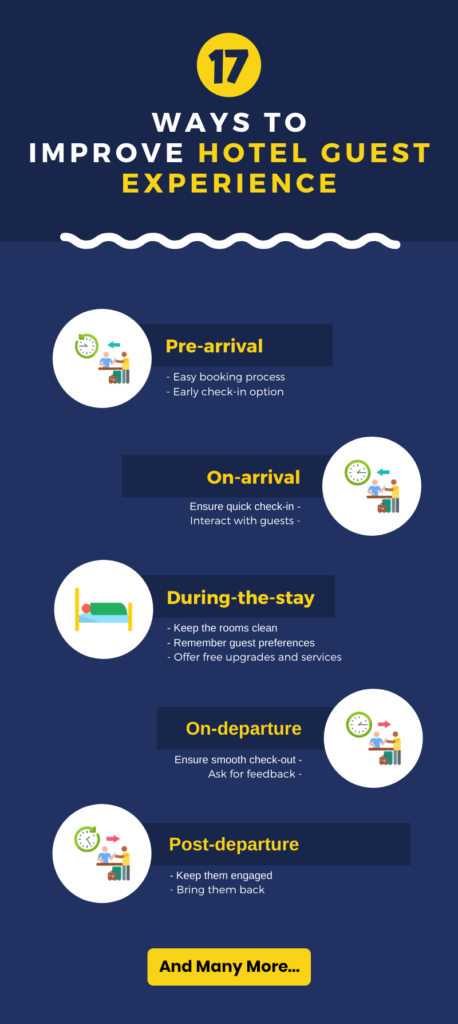
To create a unique guest experience, it's essential to focus on personalization and attention to detail. This can be achieved by understanding the individual needs and preferences of each guest and tailoring the experience accordingly. By doing so, guests will feel valued and appreciated, leading to a more memorable and enjoyable stay.
Understanding Guest Preferences
Understanding guest preferences is crucial in creating a unique experience. This involves gathering information about their interests, likes, and dislikes, and using this information to tailor the experience. For example, if a guest has a favorite food or drink, it can be made available to them during their stay. Some ways to understand guest preferences include:
- Conducting surveys and questionnaires to gather information about their interests and preferences
- Using data analytics to track guest behavior and preferences
- Providing personalized recommendations based on their interests and preferences
Creating a Memorable Atmosphere
Creating a memorable atmosphere is also essential in creating a unique guest experience. This can be achieved by paying attention to details such as lighting, music, and decor. By creating a warm and welcoming atmosphere, guests will feel more at ease and enjoy their stay more. Some ways to create a memorable atmosphere include:
- Using scented candles and essential oils to create a relaxing atmosphere
- Playing background music that is soothing and calming
- Using dim lighting to create a cozy and intimate atmosphere
Providing Exceptional Service
Providing exceptional service is critical in creating a unique guest experience. This involves training staff to be friendly, helpful, and attentive to guest needs. By doing so, guests will feel valued and appreciated, leading to a more memorable and enjoyable stay. Some ways to provide exceptional service include:
- Providing around-the-clock concierge services to cater to guest needs
- Offering complimentary amenities such as wi-fi and breakfast
- Having a responsive and helpful staff that can assist with any requests or concerns
How would you create a memorable experience for a customer?
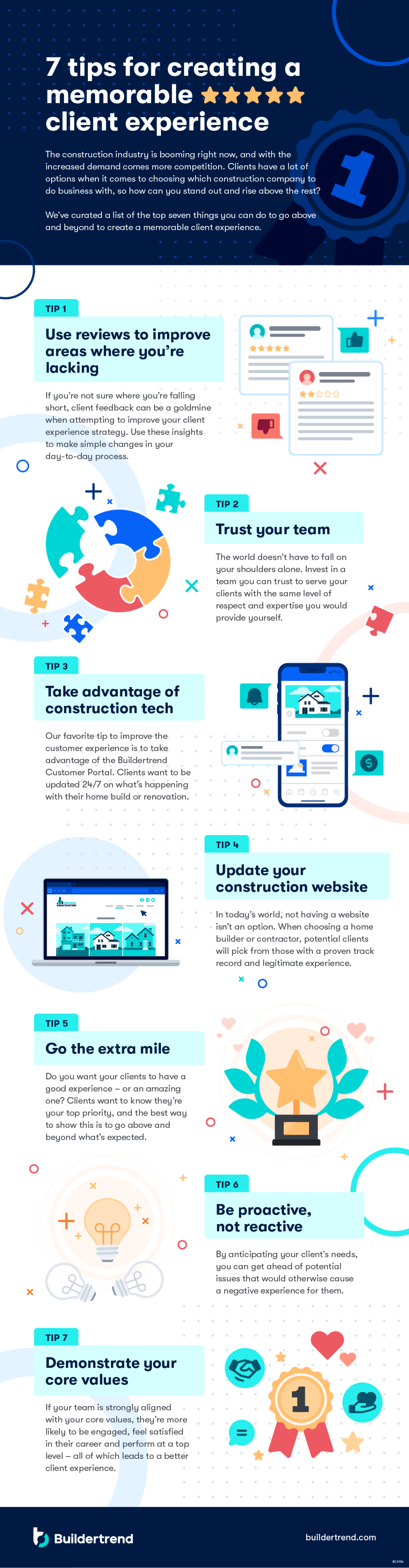
To create a memorable experience for a customer, it's essential to understand their needs and preferences. This can be achieved by personalizing the experience, making it unique and tailored to their individual requirements. A deep understanding of the customer's expectations and desires is crucial in creating an experience that will leave a lasting impression.
Understanding Customer Needs
Understanding customer needs is critical in creating a memorable experience. This involves listening to their feedback, analyzing their behavior, and anticipating their expectations. By doing so, businesses can design experiences that meet and exceed customer expectations, leading to increased customer satisfaction and loyalty. Some key aspects to consider when understanding customer needs include:
- Conducting market research to gain insights into customer preferences and behavior
- Using customer feedback to identify areas for improvement and make necessary changes
- Analyzing customer data to anticipate and meet their needs more effectively
Creating a Personalized Experience
Creating a personalized experience is vital in making a customer's experience memorable. This can be achieved by tailoring the experience to their individual needs and preferences, using personalized communication and customized offers. By doing so, businesses can create a sense of connection and belonging, leading to increased customer engagement and retention. Some key aspects to consider when creating a personalized experience include:
- Using customer data to create targeted marketing campaigns and personalized offers
- Tailoring the experience to meet the customer's individual needs and preferences
- Providing exceptional customer service to create a positive and memorable experience
Exceeding Customer Expectations
Exceeding customer expectations is crucial in creating a memorable experience. This involves surprising and delighting customers with unexpected gestures and added value. By doing so, businesses can create a positive emotional connection with their customers, leading to increased customer loyalty and advocacy. Some key aspects to consider when exceeding customer expectations include:
- Surprising customers with unexpected gestures and added value
- Providing exceptional customer service to create a positive and memorable experience
- Using technology to create innovative and immersive experiences that exceed customer expectations
What is master in hospitality management?
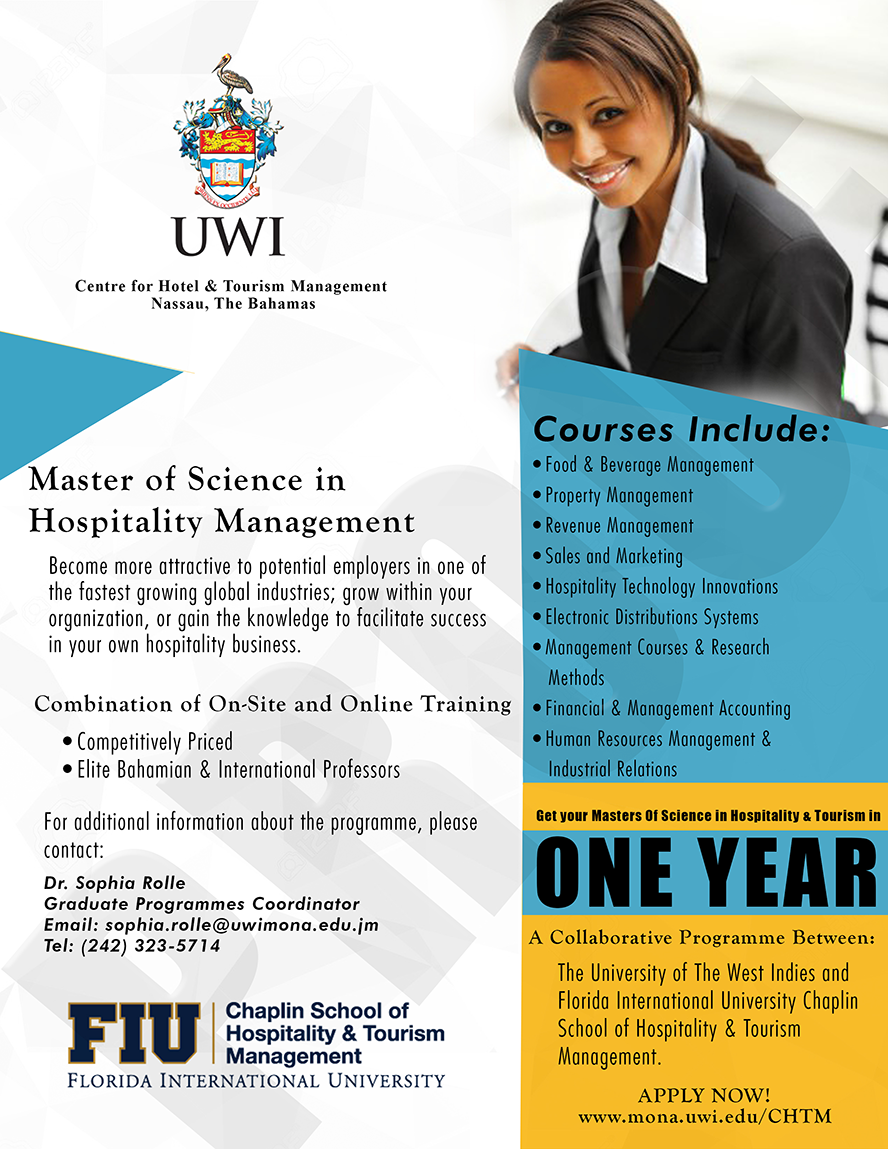
A Master's in Hospitality Management is a postgraduate degree that focuses on the business and operational aspects of the hospitality industry. This degree program is designed to equip students with the necessary skills and knowledge to manage and lead hotels, restaurants, tourism companies, and other related businesses. The curriculum typically includes courses in hospitality management, marketing, finance, human resources, and operations management.
Course Overview
The course overview of a Master's in Hospitality Management program typically includes a combination of core courses and electives. The core courses provide a foundation in hospitality management, while the electives allow students to specialize in a specific area of interest. Some common courses include:
- Hospitality Management: This course provides an introduction to the hospitality industry, including the history, trends, and current issues.
- Marketing and Sales: This course covers the principles of marketing and sales in the hospitality industry, including market research and customer relationship management.
- Financial Management: This course teaches students how to manage finances in a hospitality business, including budgeting, forecasting, and financial analysis.
Career Opportunities
A Master's in Hospitality Management can lead to a variety of career opportunities in the hospitality industry. Graduates can pursue careers in hotel management, restaurant management, tourism management, and other related fields. Some potential career paths include:
- Hotel Manager: This role involves overseeing the daily operations of a hotel, including front desk, housekeeping, and food and beverage services.
- Restaurant Manager: This role involves managing the daily operations of a restaurant, including customer service, food preparation, and inventory management.
- Tourism Manager: This role involves developing and implementing tourism strategies, including market research, product development, and marketing.
Skills and Knowledge
A Master's in Hospitality Management provides students with the skills and knowledge needed to succeed in the hospitality industry. Some of the key skills and knowledge areas include:
- Leadership and Management: This includes the ability to lead and manage teams, as well as strategic planning and decision-making.
- Communication and Interpersonal Skills: This includes the ability to communicate effectively with customers, employees, and stakeholders, as well as build relationships and resolve conflicts.
- Problem-Solving and Analytical Skills: This includes the ability to analyze problems, identify solutions, and implement changes, as well as manage risk and uncertainty.
What is guest experience in the hospitality industry?

The guest experience in the hospitality industry refers to the overall satisfaction and enjoyment that a guest derives from their stay at a hotel, resort, or other accommodation. It encompasses all aspects of the guest's interaction with the establishment, from the initial reservation to the final checkout. The guest experience is shaped by various factors, including the quality of the rooms, the friendliness of the staff, the variety of amenities, and the efficiency of the services.
Defining the Guest Experience
The guest experience is a complex and multifaceted concept that involves creating a memorable and pleasant experience for the guest. It requires a deep understanding of the guest's needs and preferences, as well as a commitment to delivering exceptional service. Some key elements that contribute to a positive guest experience include:
- Personalization: tailoring the experience to the individual guest's preferences and needs
- Attention to detail: ensuring that every aspect of the guest's stay is carefully considered and executed
- Empathy: understanding and responding to the guest's emotions and concerns
Key Factors Influencing the Guest Experience
Several factors can significantly influence the guest experience, including the physical environment, the staff and their interactions with guests, and the technology and amenities available. For example:
- Ambiance: the atmosphere and aesthetic of the establishment, including the decor, lighting, and music
- Communication: the clarity, friendliness, and responsiveness of staff interactions with guests
- Convenience: the ease of use and accessibility of amenities, such as Wi-Fi, fitness centers, and dining options
Measuring and Improving the Guest Experience
To ensure that guests have a positive and memorable experience, establishments must continually monitor and evaluate their performance. This can be achieved through:
- Guest feedback: collecting and analyzing comments and suggestions from guests to identify areas for improvement
- Staff training: providing ongoing training and development to ensure that staff have the skills and knowledge needed to deliver exceptional service
- Technology integration: leveraging technology, such as guest relationship management systems, to streamline processes and enhance the guest experience
More information
What is Hospitality Management and its Importance in the Industry?
Hospitality management is the administration of hotels, restaurants, and other establishments that provide lodging, food, and beverages to guests. It involves the planning, organizing, and supervising of daily operations to ensure that guests have a memorable and satisfying experience. The importance of hospitality management lies in its ability to create a positive and welcoming atmosphere, which can lead to customer loyalty and repeat business. Effective hospitality management requires a deep understanding of guest needs, market trends, and operational efficiency. By pursuing a master's degree in hospitality management, individuals can gain the knowledge and skills necessary to succeed in this competitive and fast-paced industry.
What Skills and Knowledge are Required to Succeed in Hospitality Management?
To succeed in hospitality management, individuals need to possess a combination of business acumen, communication skills, and attention to detail. They must be able to analyze market trends, develop effective marketing strategies, and manage budgets and financial reports. Additionally, hospitality managers need to be customer-focused, with a deep understanding of guest needs and preferences. They must also be able to lead and motivate teams, resolve conflicts, and make decisions under pressure. A master's degree in hospitality management can provide individuals with the theoretical foundations and practical skills necessary to succeed in this demanding and rewarding field. By studying hospitality law, human resources management, and operations management, individuals can gain a comprehensive understanding of the industry and develop the skills necessary to excel in hospitality management.
How Can a Master's Degree in Hospitality Management Enhance Career Opportunities?
A master's degree in hospitality management can significantly enhance career opportunities in the industry. By pursuing a graduate degree, individuals can advance their careers, increase their earning potential, and expand their professional networks. A master's degree can also provide individuals with the credentials and expertise necessary to transition into senior management roles or start their own businesses. Many hotels, restaurants, and other establishments require hospitality managers to have a graduate degree, particularly for high-level positions. By studying hospitality management at the graduate level, individuals can gain a deep understanding of the industry and develop the skills and knowledge necessary to succeed in a variety of roles, from front office management to food and beverage management.
What are the Key Challenges and Opportunities in Hospitality Management Today?
The hospitality industry is rapidly evolving, with new technologies, changing consumer behaviors, and increased competition presenting both challenges and opportunities for hospitality managers. One of the key challenges facing the industry is the need to balance profitability with sustainability and social responsibility. Hospitality managers must also be able to adapt to changing market trends, such as the rise of online booking platforms and the growth of experiential travel. Despite these challenges, the hospitality industry offers many opportunities for innovation and growth, from the development of new amenities and services to the creation of unique and memorable guest experiences. By pursuing a master's degree in hospitality management, individuals can gain the knowledge and skills necessary to navigate these challenges and capitalise on the opportunities presented by this dynamic and exciting industry.
Leave a Reply