
Facility Management: A Master's for the Comprehensive Management of Buildings and Infrastructure
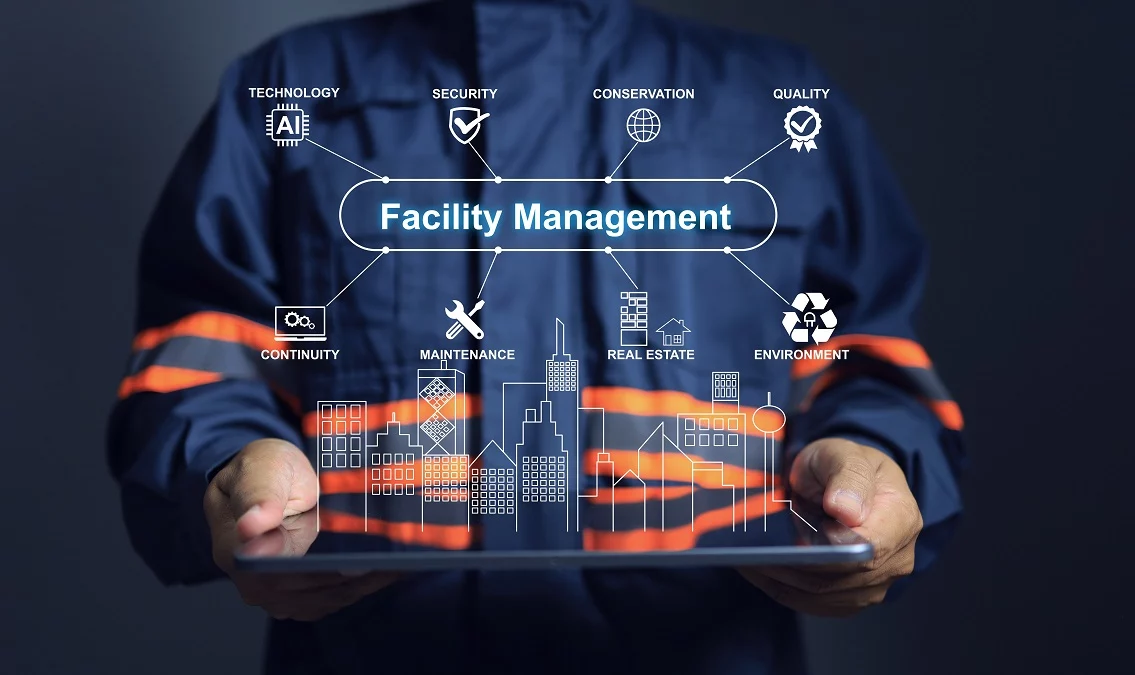
Effective facility management is crucial for the overall success of any organization, as it encompasses the management of buildings, infrastructure, and services. A Master's in Facility Management provides students with the knowledge and skills necessary to oversee the daily operations of facilities, ensuring they are safe, efficient, and meet the needs of occupants. This comprehensive program covers topics such as maintenance, energy management, and space planning, preparing graduates to take on leadership roles in the industry and make strategic decisions that impact the bottom line and overall organizational performance. Facility management is a multidisciplinary field.

Facility Management: A Master's for the Comprehensive Management of Buildings and Infrastructure
Facility management is a multidisciplinary field that involves the management of buildings, infrastructure, and services to support the core business of an organization. A master's degree in facility management provides students with the knowledge, skills, and competencies to manage facilities effectively and efficiently. The program covers a wide range of topics, including facility planning, design, construction, operation, and maintenance. Students learn about the latest technologies, trends, and best practices in facility management, as well as the financial, legal, and regulatory aspects of the field.
Introduction to Facility Management
Facility management is a critical function that supports the success of an organization. It involves the management of physical assets, such as buildings, equipment, and infrastructure, as well as the services that support the core business. Facility managers must have a range of skills, including communication, problem-solving, and leadership, to ensure that facilities are safe, efficient, and effective. A master's degree in facility management provides students with a comprehensive understanding of the field, including the principles, practices, and technologies that underpin it.
Facility Planning and Design
Facility planning and design are critical components of facility management. They involve the creation of facilities that meet the needs of an organization, including the space planning, layout, and design of buildings and infrastructure. Students learn about the principles of sustainability, accessibility, and flexibility in facility design, as well as the use of building information modeling (BIM) and other technologies to support the design process.
Facility Operations and Maintenance
Facility operations and maintenance are essential components of facility management. They involve the day-to-day management of facilities, including the maintenance, repair, and replacement of equipment and systems. Students learn about the principles of preventive maintenance, predictive maintenance, and reliability-centered maintenance, as well as the use of computer-aided facilities management (CAFM) and other technologies to support facility operations.
Facility Management Technologies
Facility management technologies are critical tools that support the management of facilities. They include building automation systems (BAS), energy management systems (EMS), and computer-aided facilities management (CAFM) systems. Students learn about the latest technologies and trends in facility management, including the use of internet of things (IoT) devices, artificial intelligence (AI), and machine learning (ML) to support facility management.
Financial and Regulatory Aspects of Facility Management
The financial and regulatory aspects of facility management are critical components of the field. They involve the management of budgets, costs, and risks, as well as compliance with regulations and standards. Students learn about the principles of financial management, including budgeting, cost control, and risk management, as well as the regulatory framework that governs facility management, including health and safety, environmental, and accessibility regulations.
| Course | Description |
|---|---|
| Introduction to Facility Management | Covers the principles and practices of facility management, including facility planning, design, construction, operation, and maintenance. |
| Facility Planning and Design | Covers the principles and practices of facility planning and design, including space planning, layout, and design of buildings and infrastructure. |
| Facility Operations and Maintenance | Covers the principles and practices of facility operations and maintenance, including preventive maintenance, predictive maintenance, and reliability-centered maintenance. |
| Facility Management Technologies | Covers the latest technologies and trends in facility management, including building automation systems (BAS), energy management systems (EMS), and computer-aided facilities management (CAFM) systems. |
| Financial and Regulatory Aspects of Facility Management | Covers the financial and regulatory aspects of facility management, including budgeting, cost control, and risk management, as well as compliance with regulations and standards. |
What is facilities and infrastructure management?
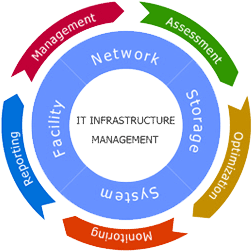
Facilities and infrastructure management refers to the oversight and maintenance of buildings, infrastructure, and physical assets to ensure they are operating efficiently and effectively. This involves a range of activities, including planning, design, construction, operation, and maintenance of facilities and infrastructure. Effective facilities and infrastructure management is critical to supporting the core business or organizational mission, and involves coordinating and managing the various services and systems that support the facility or infrastructure.
Key Components of Facilities and Infrastructure Management
Facilities and infrastructure management involves a range of key components, including building management, infrastructure management, and asset management. Some of the key tasks involved in facilities and infrastructure management include:
- Space planning and management to ensure that facilities are being used efficiently and effectively
- Maintenance and repair of facilities and infrastructure to ensure they are operating correctly and safely
- Energy management and sustainability to reduce the environmental impact of facilities and infrastructure
Benefits of Effective Facilities and Infrastructure Management
Effective facilities and infrastructure management can bring a range of benefits, including cost savings, improved efficiency, and enhanced customer experience. Some of the key benefits of effective facilities and infrastructure management include:
- Reduced operating costs through energy efficiency and maintenance optimization
- Improved productivity and efficiency through well-designed and well-maintained facilities and infrastructure
- Enhanced customer experience through comfortable and safe facilities and infrastructure
Challenges and Opportunities in Facilities and Infrastructure Management
Facilities and infrastructure management involves a range of challenges and opportunities, including aging infrastructure, budget constraints, and technological advancements. Some of the key challenges and opportunities in facilities and infrastructure management include:
- Managing aging infrastructure and replacing or upgrading existing facilities and infrastructure
- Balancing budget constraints with the need to invest in maintenance and upgrades
- Leveraging technological advancements, such as IoT and data analytics, to optimize facilities and infrastructure management
What are the 4 pillars of facilities management?

The 4 pillars of facilities management are Operations, Maintenance, Real Estate, and Project Management. These pillars form the foundation of facilities management and are essential for the effective management of buildings, infrastructure, and services.
Understanding the Pillars of Facilities Management
The 4 pillars of facilities management are interconnected and interdependent, and each pillar plays a critical role in ensuring the smooth operation of facilities. The Operations pillar includes tasks such as managing utilities, waste management, and parking, while the Maintenance pillar involves routine maintenance, repairs, and renovations. The Real Estate pillar deals with property management, leasing, and acquisition, and the Project Management pillar involves managing construction projects, renovations, and upgrades.
- Operations: managing day-to-day activities, such as utilities, waste management, and parking
- Maintenance: performing routine maintenance, repairs, and renovations to ensure the facility is safe and functional
- Real Estate: managing property, including leasing, acquisition, and disposal
Implementing the Pillars of Facilities Management
Implementing the 4 pillars of facilities management requires a strategic approach, which involves developing a comprehensive plan that takes into account the organization's goals, objectives, and budget. The plan should include key performance indicators (KPIs) to measure the effectiveness of each pillar and identify areas for improvement. Additionally, facilities managers should establish clear communication channels with stakeholders, including employees, customers, and vendors, to ensure that everyone is informed and aligned with the organization's facilities management strategy.
- Developing a comprehensive plan that aligns with the organization's goals and objectives
- Establishing key performance indicators (KPIs) to measure the effectiveness of each pillar
- Implementing clear communication channels with stakeholders
Benefits of the 4 Pillars of Facilities Management
The 4 pillars of facilities management offer numerous benefits, including cost savings, increased efficiency, and improved customer satisfaction. By implementing a comprehensive facilities management strategy, organizations can reduce energy consumption, minimize waste, and create a safe and healthy environment for employees and customers. Additionally, effective facilities management can enhance the organization's reputation and brand image, leading to increased customer loyalty and retention.
- Cost savings: reducing energy consumption, minimizing waste, and optimizing resources
- Increased efficiency: streamlining processes, improving productivity, and enhancing customer satisfaction
- Improved customer satisfaction: creating a safe, healthy, and comfortable environment for employees and customers
What is the best degree for facilities management?
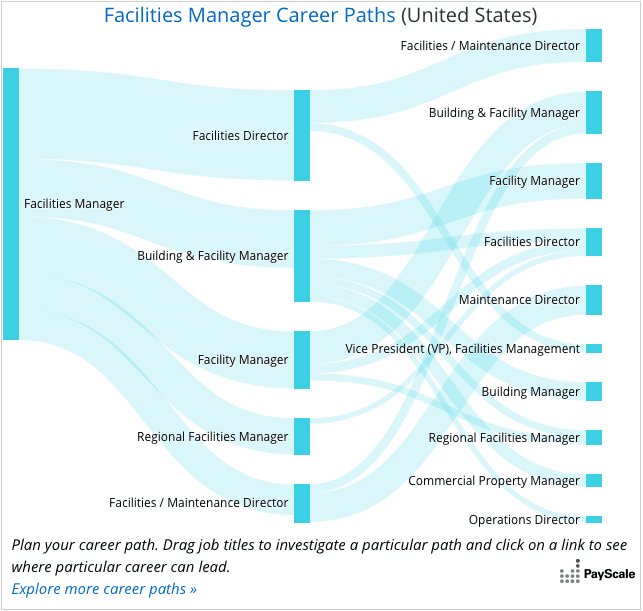
The best degree for facilities management is often a topic of debate, as it depends on various factors such as the industry, company size, and specific job requirements. However, some of the most relevant degrees for facilities management include Business Administration, Facilities Management, and Architecture. These degrees provide students with a solid foundation in management, operations, and maintenance, which are essential skills for a facilities manager.
Key Skills and Knowledge
A degree in facilities management should provide students with key skills and knowledge in areas such as project management, facilities operations, and financial management. Some of the key skills and knowledge that a facilities manager should possess include:
- Communication skills: ability to communicate effectively with stakeholders, including employees, customers, and vendors
- Problem-solving skills: ability to analyze problems and develop effective solutions
- Leadership skills: ability to lead and manage teams, including facilities staff and contractors
Facilities Management Specializations
Facilities management is a broad field that encompasses various specializations, including commercial facilities management, industrial facilities management, and residential facilities management. Each specialization requires unique skills and knowledge, such as sustainability, energy management, and emergency response planning. Some of the key areas of specialization in facilities management include:
- Sustainability: ability to develop and implement sustainable practices and procedures
- Energy management: ability to manage energy consumption and reduce energy costs
- Emergency response planning: ability to develop and implement emergency response plans
Professional Certifications and Continuing Education
In addition to a degree in facilities management, professional certifications and continuing education are essential for advancing in the field. Some of the most recognized certifications in facilities management include the Certified Facilities Manager (CFM) and the Facilities Management Professional (FMP). These certifications demonstrate a level of competence and expertise in facilities management and can be beneficial for career advancement. Some of the key benefits of professional certifications and continuing education in facilities management include:
- Increased earning potential: certified facilities managers can earn higher salaries
- Improved job prospects: certified facilities managers have better job prospects
- Enhanced professional network: certified facilities managers can connect with other professionals in the field
What are the 8 roles of facilities management?
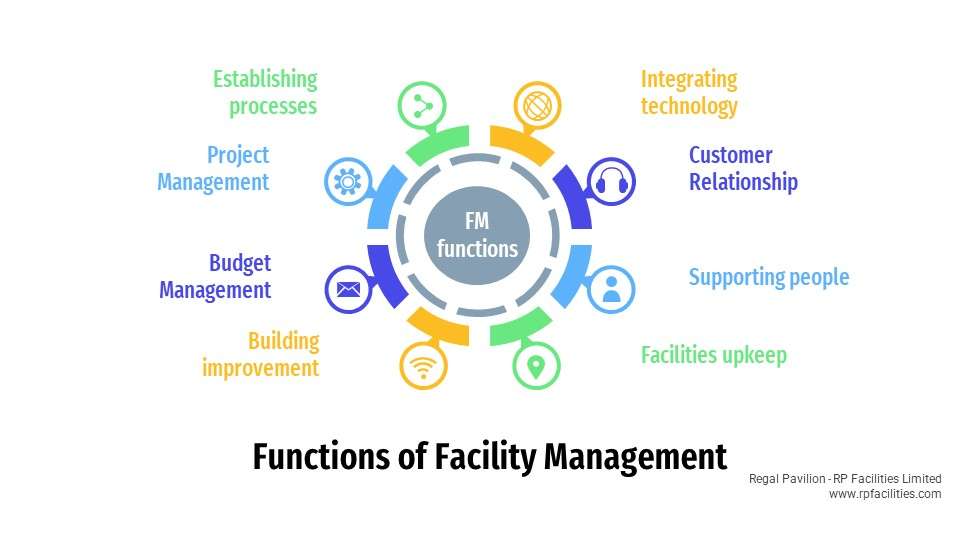
The 8 roles of facilities management are strategic planning, space management, maintenance and operations, project management, real estate and property management, environmental sustainability, emergency preparedness and business continuity, and communications and stakeholder management. These roles are crucial in ensuring that an organization's physical environment supports its core mission and objectives.
Role of Facilities Management in Supporting Business Operations
Facilities management plays a vital role in supporting business operations by ensuring that the physical environment is safe, secure, and efficient. This includes managing facilities maintenance, operations, and services to support the organization's core activities. Some key aspects of this role include:
- Developing and implementing maintenance schedules to prevent equipment failures and ensure business continuity
- Managing vendors and contractors to ensure that services are delivered to a high standard
- Conducting risk assessments to identify potential hazards and develop mitigation strategies
Importance of Facilities Management in Enhancing Organizational Productivity
Effective facilities management is essential in enhancing organizational productivity by creating a comfortable and conducive work environment. This includes managing space allocation, layout, and design to support different work styles and activities. Some key aspects of this role include:
- Conducting space utilization studies to identify opportunities for improvement
- Developing space management plans to optimize the use of space
- Implementing sustainable design principles to reduce the organization's environmental footprint
Role of Facilities Management in Supporting Business Growth and Development
Facilities management plays a critical role in supporting business growth and development by providing flexible and adaptable facilities that can respond to changing business needs. This includes managing capital projects, construction, and renovations to support business expansion and renewal. Some key aspects of this role include:
- Developing business cases for capital projects to ensure that they align with organizational objectives
- Managing project timelines and budgets to ensure that projects are delivered on time and within budget
- Coordinating stakeholder engagement to ensure that facilities meet the needs of different user groups
More information
What is Facility Management and its importance in modern infrastructure?
Facility management is a comprehensive and multidisciplinary field that encompasses the management of buildings, infrastructure, and services to ensure the efficiency, safety, and sustainability of an organization's operations. The importance of facility management lies in its ability to optimize the use of physical assets, reduce costs, and improve the overall productivity and well-being of occupants. Effective facility management involves the strategic planning, design, construction, operation, and maintenance of facilities, as well as the management of services such as security, cleaning, and utilities. By adopting a proactive and integrated approach to facility management, organizations can minimize risks, improve their reputation, and enhance their competitive advantage.
What are the key components of a Master's program in Facility Management?
A Master's program in Facility Management typically covers a range of core and elective courses that provide students with a thorough understanding of the principles, practices, and technologies involved in facility management. The key components of such a program may include facilities planning, design, and construction, as well as operations management, maintenance, and asset management. Students may also explore specialized topics such as sustainability, energy management, and emergency preparedness, and develop practical skills in project management, team leadership, and communication. Additionally, many programs offer internships, case studies, or capstone projects that allow students to apply theoretical concepts to real-world scenarios and develop valuable professional networks.
How does Facility Management contribute to the sustainability and environmental performance of buildings and infrastructure?
Facility management plays a critical role in promoting the sustainability and environmental performance of buildings and infrastructure. By adopting sustainable practices and technologies, facility managers can reduce energy consumption, minimize waste, and conserve natural resources. This may involve the implementation of energy-efficient systems, renewable energy sources, and green building materials, as well as the promotion of sustainable behaviors among occupants. Effective facility management can also enhance indoor air quality, reduce water usage, and mitigate the impact of climate change. Furthermore, facility managers can monitor and! report on environmental performance using key performance indicators (KPIs) and benchmarking tools, allowing organizations to track progress and identify areas for improvement.
What career opportunities are available to graduates of a Master's program in Facility Management?
Graduates of a Master's program in Facility Management can pursue a wide range of career opportunities in various industries, including real estate, construction, healthcare, education, and government. Some potential career paths may include facility manager, operations manager, project manager, sustainability consultant, or asset manager. Graduates may also specialize in specific areas such as energy management, emergency preparedness, or facilities planning, and work for private companies, public organizations, or non-profit entities. Additionally, many graduates may choose to pursue certifications such as the Certified Facility Manager (CFM) or Certified Energy Manager (CEM) to demonstrate their expertise and commitment to the field, and enhance their career prospects.
Leave a Reply