
Executive Master or MBA? Understand the Differences and Choose the Ideal Program for You

When considering advanced business education, two popular options stand out: Executive Master's and MBA programs. While both offer significant career benefits, they cater to different needs and goals. An Executive Master's typically focuses on specialized knowledge, whereas an MBA provides a broad-based business education. Understanding the distinct differences between these programs is crucial for professionals seeking to enhance their skills and advance their careers. By exploring the unique features and outcomes of each, individuals can make informed decisions and choose the ideal program to achieve their personal and professional objectives. This choice can significantly impact future success.

Choosing the Right Path: Executive Master vs MBA
When it comes to advancing your education and career, two popular options are the Executive Master and the MBA. While both programs can be beneficial, they have distinct differences that can make one more suitable for your needs than the other. In this section, we will delve into the details of each program to help you make an informed decision.
Program Overview: Executive Master
The Executive Master is a postgraduate degree designed for working professionals who want to enhance their skills and knowledge in a specific area. This program is typically shorter than an MBA, lasting around 12-18 months, and focuses on advanced topics such as leadership, strategy, and management. The Executive Master is ideal for individuals who have already gained significant work experience and want to specialize in a particular field.
Program Overview: MBA
The Master of Business Administration (MBA) is a postgraduate degree that covers a wide range of business topics, including finance, marketing, and operations. An MBA program usually takes two years to complete and is designed for individuals who want to transition into a new career or advance in their current role. The MBA is a more generalist degree, providing a broad foundation in business principles and practices.
Key Differences: Executive Master vs MBA
The main differences between the Executive Master and the MBA lie in their duration, focus, and admission requirements. The Executive Master is a shorter, more specialized program that requires significant work experience, while the MBA is a longer, more generalist program that accepts candidates with little to no work experience. The following table summarizes the key differences:
| Program | Duration | Focus | Admission Requirements |
|---|---|---|---|
| Executive Master | 12-18 months | Specialized | Significant work experience |
| MBA | 2 years | Generalist | Little to no work experience |
Career Outcomes: Executive Master vs MBA
Both the Executive Master and the MBA can lead to career advancement and increased earning potential. However, the career outcomes differ depending on the program. The Executive Master is designed for individuals who want to specialize in a particular area, leading to senior leadership roles or consulting positions. The MBA, on the other hand, provides a broad foundation in business, making it suitable for managers, entrepreneurs, or executives.
Choosing the Ideal Program: Executive Master or MBA
To choose the ideal program, consider your career goals, work experience, and personal preferences. If you want to specialize in a particular area and have significant work experience, the Executive Master may be the better choice. If you want to transition into a new career or gain a broad foundation in business, the MBA may be more suitable. Ultimately, it is essential to research and compare programs to find the one that aligns with your professional objectives and personal interests.
Is an MBA or executive MBA better?
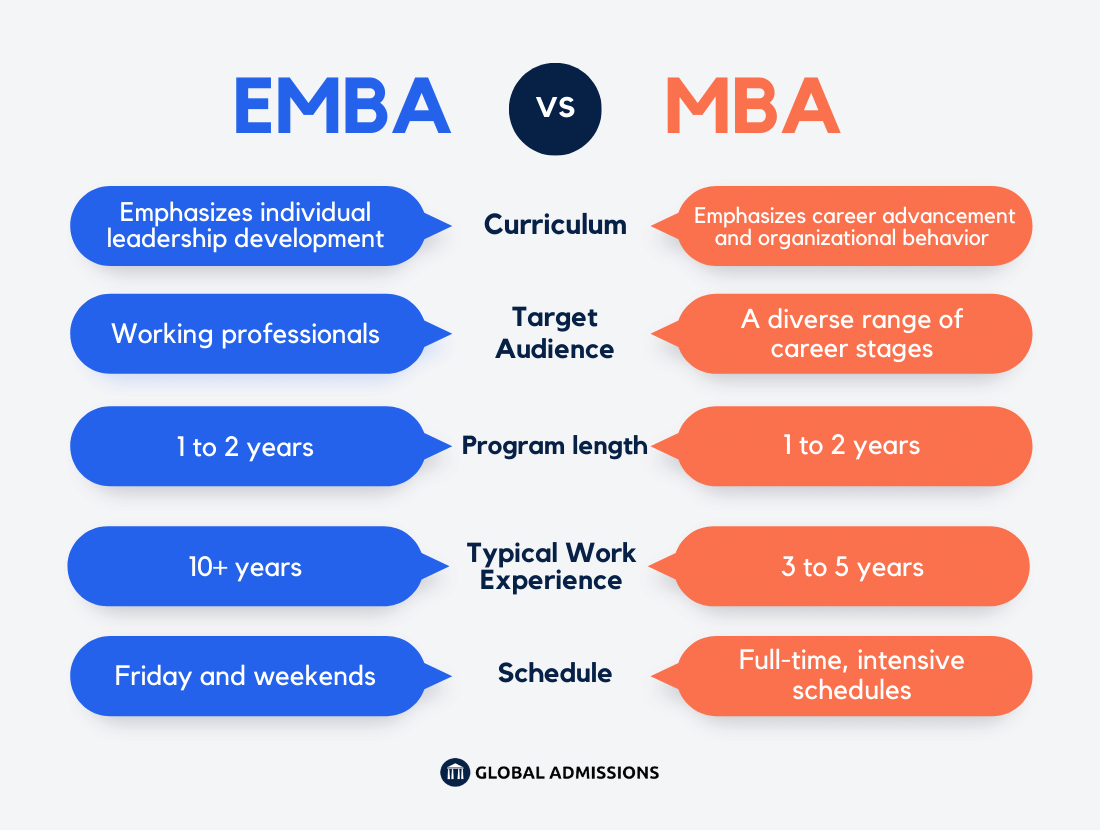
The decision between an MBA and an Executive MBA depends on various factors, including career stage, work experience, and personal goals. An MBA is a Traditional graduate degree that provides a comprehensive education in business administration, while an Executive MBA is a Specialized program designed for working professionals with significant experience.
Program Structure and Curriculum
The program structure and curriculum of an MBA and an Executive MBA differ significantly. An MBA typically takes two years to complete and is designed for students with little to no work experience. The curriculum focuses on Foundational courses in business, such as finance, accounting, and marketing. In contrast, an Executive MBA is a Condensed program that can be completed in one to two years, with a curriculum that emphasizes Advanced topics in business, such as strategic management and leadership. Some key features of each program include:
- The MBA program provides a Broad education in business, with a focus on Theoretical knowledge.
- The Executive MBA program provides a Practical education in business, with a focus on Applied knowledge.
- Executive MBA programs often include Experiential learning opportunities, such as consulting projects and internships.
Career Opportunities and Networking
The career opportunities and networking benefits of an MBA and an Executive MBA also differ. An MBA can provide access to a Diverse network of peers and alumni, with opportunities to connect with professionals from various industries and backgrounds. In contrast, an Executive MBA provides access to a Established network of experienced professionals, with opportunities to connect with senior executives and thought leaders. Some key benefits of each program include:
- The MBA program provides opportunities to Transition into new careers or industries.
- The Executive MBA program provides opportunities to Advance in current careers or industries.
- Executive MBA programs often include Mentorship opportunities, with access to experienced executives and coaches.
Cost and Return on Investment
The cost and return on investment of an MBA and an Executive MBA are also important considerations. An MBA can be a Significant investment, with tuition fees ranging from $50,000 to over $100,000 per year. In contrast, an Executive MBA can be a Strategic investment, with tuition fees ranging from $50,000 to over $200,000 per year. Some key factors to consider include:
- The MBA program provides a Long-term return on investment, with potential for Higher salaries and career advancement.
- The Executive MBA program provides a Short-term return on investment, with potential for Immediate career advancement and salary increases.
- Executive MBA programs often include Scholarships and Financial Aid opportunities, to help offset the cost of tuition.
What is the difference between Executive Master and MBA?
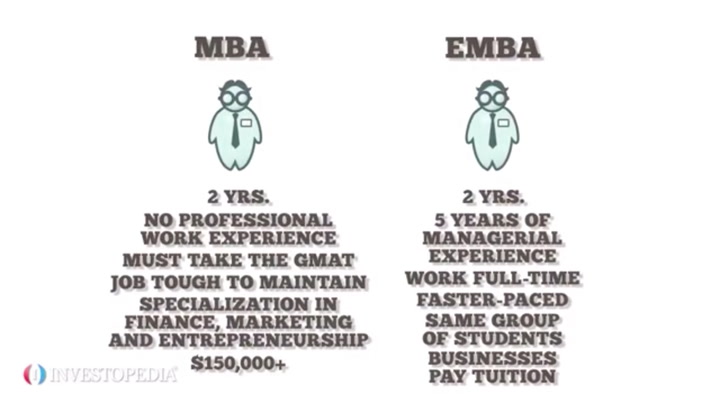
The main difference between an Executive Master and an MBA is the target audience and the program structure. An Executive Master is designed for experienced professionals who want to advance their knowledge and skills in a specific area, such as finance, marketing, or human resources. On the other hand, an MBA is a more general management program that is designed for individuals who want to transition into a leadership role or start their own business.
Program Structure and Curriculum
The program structure and curriculum of an Executive Master and an MBA differ significantly. An Executive Master program is typically shorter in duration, lasting around 6-12 months, and focuses on a specific area of study. The curriculum is designed to provide in-depth knowledge and practical skills in that area, with a focus on applied learning. In contrast, an MBA program is typically longer, lasting around 2 years, and covers a broader range of topics, including finance, accounting, marketing, and operations management. Some key features of an Executive Master program include:
- Specialized courses that focus on a specific area of study
- Experienced instructors who are practitioners in their field
- Applied learning projects that allow students to apply theoretical concepts to real-world problems
Admissions Requirements and Process
The admissions requirements and process for an Executive Master and an MBA also differ. An Executive Master program typically requires significant work experience, often 5-10 years, and a strong professional background. The admissions process is often less competitive than an MBA program, with a focus on assessing the applicant's potential for success in the program. In contrast, an MBA program is highly competitive, with a focus on assessing the applicant's potential for success in a leadership role. Some key features of the admissions process for an Executive Master program include:
- Work experience that demonstrates leadership potential and achievement
- Professional certifications or licenses that are relevant to the field of study
- Letters of recommendation from supervisors or peers that speak to the applicant's skills and abilities
Career Outcomes and Networking Opportunities
The career outcomes and networking opportunities for an Executive Master and an MBA differ significantly. An Executive Master program is designed to help experienced professionals advance their careers in a specific area, with a focus on career advancement and professional development. In contrast, an MBA program is designed to help individuals transition into a leadership role or start their own business, with a focus on career transformation and entrepreneurship. Some key features of the career outcomes and networking opportunities for an Executive Master program include:
- Career advancement opportunities in a specific area, such as finance or marketing
- Professional networking opportunities with peers and instructors who are practitioners in their field
- Access to strong>alumni networks that can provide mentoring and career support
What is the best executive MBA program?

The best executive MBA program is a highly subjective term, as it depends on various factors such as the individual's career goals, industry, and personal preferences. However, some of the top-ranked executive MBA programs are offered by prestigious institutions such as Harvard, Stanford, and Wharton. These programs are designed to provide experienced professionals with the advanced knowledge and skills necessary to succeed in high-level management positions.
Program Structure and Curriculum
The structure and curriculum of an executive MBA program can vary significantly from one institution to another. However, most programs typically include a combination of core courses, electives, and specializations. Some of the key aspects to consider when evaluating an executive MBA program include:
- Flexibility: The ability to balance work and study commitments is crucial for executive MBA students. Programs that offer part-time or online options can be more appealing to those with demanding work schedules.
- Networking opportunities: The network of alumni and peers can be a significant advantage of an executive MBA program. Students can expect to connect with influential professionals and thought leaders in their industry.
- International exposure: Many executive MBA programs offer global modules, study tours, or exchange programs that provide students with valuable international experience and cultural insights.
Admissions and Eligibility
Admissions to executive MBA programs can be highly competitive, and institutions typically have stringent eligibility criteria. Some of the key factors that admissions committees consider include:
- Work experience: Most executive MBA programs require applicants to have a minimum of 5-10 years of professional experience, with a focus on leadership and management roles.
- Academic background: A bachelor's degree is typically required, although some programs may also consider relevant professional certifications or industry-specific training.
- GMAT or GRE scores: Many executive MBA programs require applicants to submit standardized test scores, although some institutions may waive this requirement for experienced professionals.
Career Outcomes and ROI
The career outcomes and return on investment (ROI) of an executive MBA program are critical considerations for potential students. Some of the key benefits of an executive MBA include:
- Salary increase: Executive MBA graduates can expect to see a significant increase in their salary, with some programs reporting average salary increases of 20-30%.
- Leadership opportunities: The advanced knowledge and skills gained through an executive MBA program can position graduates for senior leadership roles, including C-suite positions.
- Networking benefits: The network of alumni and peers can provide executive MBA graduates with valuable connections and career opportunities, both within and outside their current industry.
What is the Executive MBA program?
The Executive MBA program is a type of Master of Business Administration degree designed for working professionals who want to advance their careers and gain strategic leadership skills. It is typically offered on a part-time basis, allowing students to continue working while pursuing their degree. The program focuses on developing executive-level skills, such as strategic thinking, problem-solving, and decision-making, to help students succeed in senior management roles.
Program Structure and Curriculum
The Executive MBA program typically consists of a combination of core courses, electives, and capstone projects. The curriculum is designed to provide students with a broad understanding of business principles, including finance, marketing, operations, and human resources. Some key features of the program include:
- Flexible scheduling, allowing students to balance work and study commitments
- Experienced instructors, who are often industry experts with a deep understanding of business practices
- Collaborative learning, which encourages students to share their experiences and insights with peers from diverse professional backgrounds
Benefits and Career Outcomes
The Executive MBA program offers numerous benefits, including career advancement, networking opportunities, and personal development. Graduates can expect to gain advanced leadership skills, strategic thinking, and problem-solving abilities, which are highly valued by employers. Some potential career outcomes for Executive MBA graduates include:
- Senior management roles, such as CEO, CFO, or COO positions
- Executive consulting, where graduates can apply their strategic expertise to help organizations solve complex business problems
- Entrepreneurship, where graduates can use their innovative thinking and leadership skills to launch their own startups or small businesses
Admissions and Eligibility
Admissions to the Executive MBA program typically require a combination of academic achievement, professional experience, and personal qualities, such as leadership potential and communication skills. Applicants usually need to have a bachelor's degree and a minimum number of years of work experience, often in a management or leadership role. Some key eligibility criteria include:
- Strong academic record, with a GPA that meets the program's admissions standards
- Professional experience, with a minimum number of years of work experience in a related field
- Letters of recommendation, which provide third-party validation of the applicant's leadership skills and personal qualities
More information
What is the main difference between an Executive Master and an MBA?
The main difference between an Executive Master and an MBA (Master of Business Administration) lies in their curriculum, duration, and target audience. An Executive Master is designed for experienced professionals who want to enhance their leadership skills and industry knowledge in a specific area, such as finance, marketing, or operations. On the other hand, an MBA is a more general business degree that covers a wide range of topics, including accounting, economics, and management. An MBA is typically designed for individuals who want to transition into a management role or start their own business. In terms of duration, an Executive Master usually takes less time to complete than an MBA, with most programs lasting around 12-18 months compared to the 24 months required for an MBA.
What are the admission requirements for an Executive Master and an MBA?
The admission requirements for an Executive Master and an MBA vary, but most programs require applicants to have a certain level of work experience, typically 5-10 years, and a bachelor's degree from an accredited institution. For an MBA, applicants usually need to take the GMAT (Graduate Management Admission Test) or GRE (Graduate Record Examination) and submit their scores as part of the application process. In contrast, some Executive Master programs may waive the GMAT or GRE requirement for applicants with significant work experience. Additionally, letters of recommendation, a personal statement, and transcripts are often required for both types of programs. It's essential to check the specific admission requirements for each program, as they may vary depending on the institution and location.
How do the career outcomes differ between an Executive Master and an MBA?
The career outcomes for Executive Master and MBA graduates can differ significantly. Executive Master graduates tend to advance in their current industry or field, taking on leadership roles or starting their own consulting practices. They may also transition into related fields, such as non-profit management or public policy. In contrast, MBA graduates often pursue a wide range of career paths, including management consulting, investment banking, and entrepreneurship. MBA graduates may also change industries or functions, using their degree as a springboard to launch a new career. According to various studies, MBA graduates tend to earn higher salaries than Executive Master graduates, with median salaries ranging from $100,000 to over $150,000 depending on the industry and location.
What are the key factors to consider when choosing between an Executive Master and an MBA?
When choosing between an Executive Master and an MBA, there are several key factors to consider. First, consider your career goals and whether you want to advance in your current field or transition into a new one. If you're looking to specialize in a specific area, an Executive Master may be the better choice. On the other hand, if you want to develop a broad range of business skills and network with professionals from various industries, an MBA may be more suitable. Additionally, consider the program format, including the duration, location, and delivery method. Some programs may offer online or part-time options, which can be ideal for working professionals. Finally, think about the cost and return on investment (ROI) of each program, including tuition fees, opportunity costs, and potential salary increases. By carefully evaluating these factors, you can make an informed decision and choose the ideal program for your needs and goals.