
Master in Change Management: Navigate Change and Lead Organizational Transformation
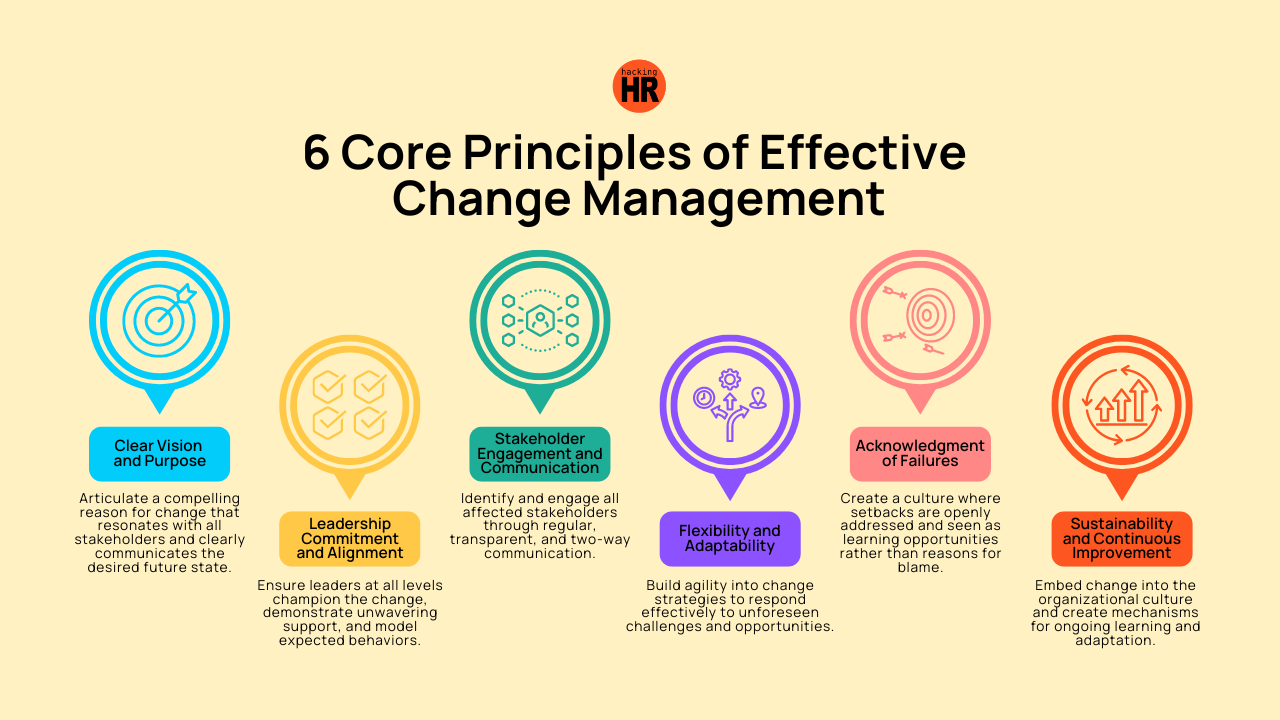
In today's fast-paced business landscape, organizations must adapt to change to remain competitive. A Master in Change Management equips professionals with the skills to navigate change and lead organizational transformation. This advanced degree program focuses on developing strategic thinking, leadership, and communication skills to effectively manage change initiatives. By exploring the complexities of change management, graduates can drive growth, improve performance, and foster a culture of innovation within their organizations, ultimately achieving long-term success in an ever-evolving business environment. Effective change management is crucial for organizations to thrive.

Master in Change Management: A Key to Successful Organizational Transformation
The Master in Change Management is a postgraduate degree that focuses on equipping individuals with the skills and knowledge required to navigate and lead organizational change. This degree program is designed to help professionals understand the complexities of change management and develop strategies to implement successful transformations within their organizations. The program covers a wide range of topics, including change management theories, organizational development, leadership, and communication. By pursuing a Master in Change Management, individuals can gain a deeper understanding of the drivers of change and develop the skills needed to lead their organizations through periods of transition.
Understanding the Principles of Change Management
The Master in Change Management program starts by introducing students to the fundamental principles of change management. This includes understanding the types of change, such as transformational change and incremental change, and the models of change, including Lewin's Change Management Model and Kotter's 8-Step Change Model. Students also learn about the importance of communication in change management and how to develop effective communication strategies. By understanding these principles, individuals can develop a solid foundation for leading change initiatives within their organizations.
Developing Leadership Skills for Change Management
Effective leadership is critical for successful change management. The Master in Change Management program helps individuals develop the leadership skills needed to lead change initiatives, including strategic thinking, problem-solving, and collaboration. Students learn how to build trust and engage stakeholders in the change process, as well as how to manage resistance to change. By developing these leadership skills, individuals can become effective change agents within their organizations.
Understanding Organizational Development and Design
The Master in Change Management program also covers topics related to organizational development and design. Students learn about organizational structure, culture, and systems, and how these elements impact the change process. They also learn about organizational design principles and how to apply them to create a more effective and efficient organization. By understanding these concepts, individuals can develop strategies to align their organization's structure, culture, and systems with its mission and vision.
Implementing Change Initiatives and Managing Resistance
Implementing change initiatives can be challenging, and managing resistance is a critical aspect of the change process. The Master in Change Management program teaches individuals how to develop a change implementation plan, manage stakeholder expectations, and address resistance to change. Students learn about change management tools and techniques, such as gap analysis and force field analysis, and how to apply them in real-world scenarios. By understanding these concepts, individuals can develop effective strategies to implement change initiatives and minimize disruption to their organizations.
Evaluating the Effectiveness of Change Initiatives
Finally, the Master in Change Management program covers topics related to evaluating the effectiveness of change initiatives. Students learn about metrics and benchmarks for measuring change, as well as how to conduct a post-implementation review. They also learn about lessons learned and how to apply them to future change initiatives. By understanding these concepts, individuals can develop strategies to evaluate the success of change initiatives and identify areas for improvement.
| Change Management Models | Description |
|---|---|
| Lewin's Change Management Model | A three-step model that involves unfreezing, changing, and refreezing |
| Kotter's 8-Step Change Model | An eight-step model that involves creating a sense of urgency, building a coalition, and anchoring new approaches |
| ADKAR Change Management Model | A five-step model that involves awareness, desire, knowledge, ability, and reinforcement |
What is organization transformation and change management?
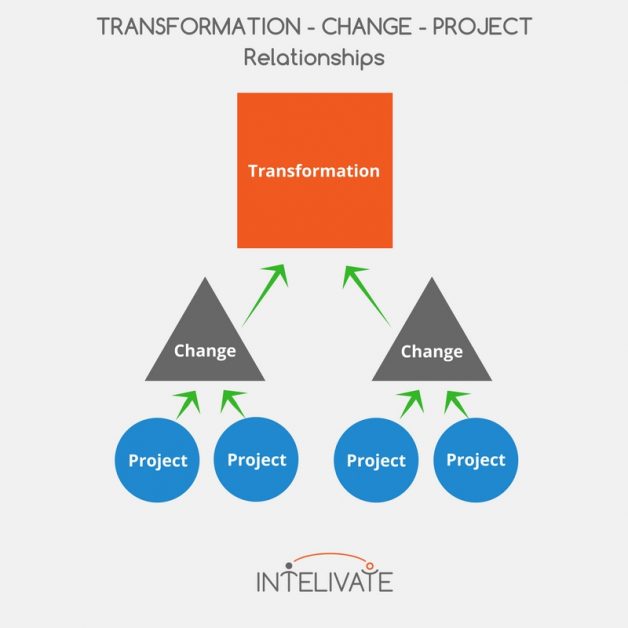
Organization transformation and change management refer to the process of fundamentally changing an organization's strategy, structure, and culture to achieve a sustainable competitive advantage. This involves a profound shift in the way the organization operates, thinks, and behaves, often in response to external pressures or internal needs. The goal of organization transformation and change management is to create a more agile, resilient, and adaptable organization that can thrive in a rapidly changing environment.
Key Principles of Organization Transformation
The key principles of organization transformation and change management involve a holistic approach to change, which considers the interconnectedness of different aspects of the organization. This includes:
- Aligning the organization's strategy with its vision and mission
- Building a culture of innovation and experimentation
- Fostering a collaborative and inclusive work environment
By applying these principles, organizations can create a solid foundation for transformation and change management, and set themselves up for long-term success.
Change Management Strategies
Effective change management strategies are critical to the success of organization transformation. These strategies involve:
- Communicating the need for change and the benefits of transformation
- Building a coalition of stakeholders to support the change effort
- Developing a structured approach to change management, including project planning and risk management
By using these strategies, organizations can minimize disruption and maximize the benefits of change, and ensure that the transformation is sustainable over time.
Benefits of Organization Transformation and Change Management
The benefits of organization transformation and change management are numerous and well-documented. These benefits include:
- Improved competitiveness and market share
- Increased efficiency and productivity
- Enhanced customer satisfaction and loyalty
By achieving these benefits, organizations can thrive in a rapidly changing environment, and create a sustainable competitive advantage that sets them apart from their rivals.
What is a master's in change management?

A master's in change management is a postgraduate degree that focuses on the strategic and tactical aspects of managing change within organizations. This degree program is designed to equip students with the knowledge, skills, and tools necessary to lead and manage organizational change initiatives. Students learn how to analyze the need for change, develop change management plans, and implement these plans to achieve sustainable results.
Key Components of a Master's in Change Management
The key components of a master's in change management program include leadership, communication, and project management. These components are essential for managing change effectively and ensuring that organizational goals are met. Some of the key topics covered in this program include:
- Change management models and frameworks
- Organizational development and design
- Stakeholder engagement and communication strategies
Benefits of a Master's in Change Management
A master's in change management offers several benefits to students, including the ability to lead and manage change initiatives, improve organizational performance, and enhance career prospects. This degree program also provides students with the opportunity to network with other professionals in the field and gain practical experience through case studies and projects. Some of the benefits of this program include:
- Developing strategic thinking and problem-solving skills
- Improving communication and leadership skills
- Enhancing career opportunities in management and consulting
Career Opportunities with a Master's in Change Management
A master's in change management can lead to several career opportunities in management, consulting, and organizational development. Graduates of this program can work as change management consultants, organizational development managers, or project managers. Some of the career opportunities available to graduates of this program include:
- Change management consultant: working with organizations to develop and implement change management plans
- Organizational development manager: leading and managing organizational development initiatives
- Project manager: managing projects and ensuring that organizational goals are met
What is the difference between a change manager and a change lead?
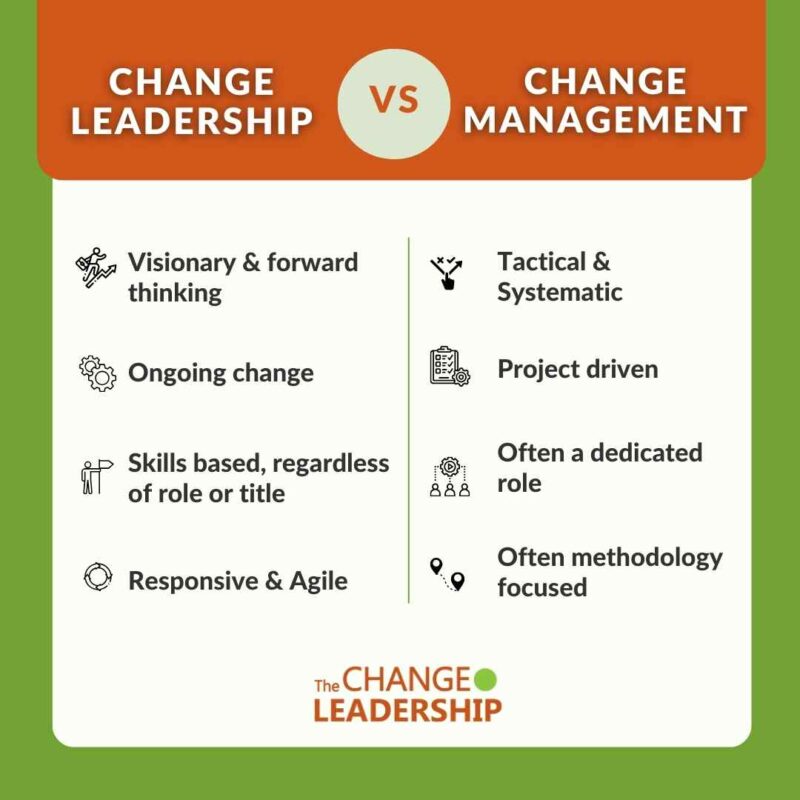
The difference between a change manager and a change lead lies in their roles, responsibilities, and areas of focus. A change manager is typically responsible for overseeing the entire change management process, ensuring that all aspects of the change are properly planned, executed, and monitored. On the other hand, a change lead is often responsible for leading a specific aspect of the change, such as communications or training.
Key Responsibilities
A change manager has a broad range of responsibilities, including developing change management strategies, assessing organizational readiness, and identifying resistance to change. Some key responsibilities of a change manager include:
- Developing and implementing change management plans
- Conducting stakeholder analysis to identify key stakeholders and their interests
- Creating communication plans to ensure effective communication with stakeholders
In contrast, a change lead may be responsible for leading a specific team or function, such as communications or training, and ensuring that their team is equipped to support the change.
Scope of Focus
The scope of focus for a change manager is typically broader, encompassing the entire organization and all aspects of the change. A change manager must consider the organizational culture, politics, and power dynamics when developing and implementing change management strategies. In contrast, a change lead may have a narrower focus, concentrating on a specific aspect of the change, such as process improvement or technology implementation. Some key areas of focus for a change lead include:
- Developing and implementing process improvements to support the change
- Creating training programs to ensure that employees have the necessary skills and knowledge to support the change
- Identifying and mitigating risks associated with the change
This narrower focus allows the change lead to dive deeper into the specifics of the change and ensure that their team is equipped to support it.
Skills and Competencies
Both change managers and change leads require strong leadership and communication skills, as well as the ability to analyze complex problems and develop effective solutions. However, a change manager must also possess strategic thinking skills, including the ability to assess organizational readiness and develop change management strategies. Some key skills and competencies for a change manager include:
- Strategic thinking and planning skills
- Leadership and influencing skills
- Communication and interpersonal skills
In contrast, a change lead may require more technical skills, such as project management or process improvement expertise, depending on their specific area of focus.
More information
What is the Master in Change Management program about?
The Master in Change Management program is designed to equip individuals with the knowledge and skills necessary to navigate organizational transformation and lead change initiatives. This program focuses on providing students with a comprehensive understanding of the principles and practices of change management, including the ability to analyze complex systems, identify areas for improvement, and develop strategic plans for implementation. By emphasizing the importance of leadership, communication, and collaboration, the program prepares students to effectively manage change and drive innovation within their organizations. Through a combination of theoretical foundations and practical applications, students will gain the expertise needed to drive transformation and achieve sustainable success.
What are the key skills and competencies required for effective change management?
Effective change management requires a unique set of skills and competencies, including strong leadership, excellent communication, and strategic thinking. Individuals must be able to analyze complex problems, develop creative solutions, and implement plans that drive organizational transformation. Additionally, emotional intelligence, adaptability, and resilience are essential for navigating the challenges and uncertainties associated with change. The Master in Change Management program is designed to help students develop these skills and competencies, enabling them to lead change initiatives and drive innovation within their organizations. By focusing on the development of practical skills and strategic thinking, the program prepares students to manage change and achieve sustainable success in today's fast-paced and ever-changing business environment.
How can the Master in Change Management program benefit my organization?
The Master in Change Management program can benefit organizations in a variety of ways, including improved leadership, enhanced innovation, and increased competitiveness. By developing the skills and competencies necessary to lead change initiatives and drive transformation, individuals can help their organizations stay ahead of the curve and achieve sustainable success. The program's focus on practical applications and real-world scenarios ensures that students can apply their knowledge and skills to real-world problems, driving positive change and improvement within their organizations. Additionally, the program's emphasis on collaboration and teamwork can help to foster a culture of innovation and encourage creativity within organizations, leading to new ideas and new solutions that can drive growth and success.
What kind of career opportunities are available to graduates of the Master in Change Management program?
Graduates of the Master in Change Management program can pursue a variety of exciting career opportunities, including change management consultant, organizational development specialist, and leadership coach. The program's focus on practical skills and strategic thinking prepares students to lead change initiatives and drive transformation within organizations, making them highly sought after by top employers. Additionally, the program's emphasis on innovation and entrepreneurship can help to foster a spirit of innovation and encourage entrepreneurship, leading to new business ventures and new opportunities. With the right skills and knowledge, graduates of the Master in Change Management program can pursue their passions and achieve their goals, whether that means advancing their current career or pursuing a new path.
Leave a Reply