
Master in Hospitality Management: Lead with Excellence in the Hospitality and Tourism Industry

The hospitality and tourism industry is a rapidly growing sector that requires skilled professionals to lead and manage establishments with excellence. A Master in Hospitality Management is a postgraduate degree that equips individuals with the knowledge, skills, and expertise to succeed in this field. By pursuing this degree, students can gain a deep understanding of hospitality operations, marketing, finance, and human resources, as well as develop essential leadership and management skills to excel in the industry. With a Master in Hospitality Management, graduates can secure top positions in hotels, restaurants, and other hospitality establishments.

Master in Hospitality Management: A Path to Success in the Hospitality and Tourism Industry
The Master in Hospitality Management is a postgraduate degree designed to equip students with the knowledge, skills, and expertise required to succeed in the hospitality and tourism industry. This program focuses on the development of strategic thinking, problem-solving, and leadership skills, enabling graduates to excel in various roles, from hotel management to tourism development. The curriculum covers a wide range of topics, including hospitality operations, marketing, finance, and human resources, providing students with a comprehensive understanding of the industry.
Program Structure and Curriculum
The Master in Hospitality Management program typically consists of 12-18 months of full-time study, although some institutions may offer part-time or online options. The curriculum is designed to provide students with a deep understanding of the hospitality and tourism industry, including hospitality management, tourism development, and sustainability. The program may include core courses, elective courses, and a final project or dissertation, which allows students to apply theoretical concepts to real-world problems.
Career Opportunities and Job Prospects
Graduates of the Master in Hospitality Management program can pursue a wide range of career opportunities in the hospitality and tourism industry, including hotel management, restaurant management, event planning, and tourism development. The program also prepares students for roles in consulting, marketing, and human resources, providing a competitive edge in the job market. According to industry reports, the demand for skilled hospitality professionals is on the rise, with job prospects expected to increase by 10% in the next five years.
Key Skills and Competencies
The Master in Hospitality Management program aims to develop key skills and competencies, including strategic thinking, problem-solving, leadership, and communication. Students learn to analyze complex problems, develop innovative solutions, and implement effective strategies to drive business success. The program also emphasizes the importance of sustainability, customer service, and cultural competence, preparing graduates to work in a global and diverse industry.
Industry Partnerships and Networking Opportunities
Many Master in Hospitality Management programs have established partnerships with industry leaders, providing students with networking opportunities, internships, and job placements. These partnerships enable students to gain practical experience, build professional relationships, and stay up-to-date with industry trends and developments. Some programs may also offer guest lectures, workshops, and conferences, featuring industry experts and thought leaders.
Admission Requirements and Scholarship Opportunities
The admission requirements for the Master in Hospitality Management program may vary depending on the institution, but typically include a bachelor's degree, GMAT or GRE scores, and letters of recommendation. Some institutions may also offer scholarships or financial aid to eligible students, including merit-based scholarships, need-based scholarships, and industry-sponsored scholarships. Students are advised to check the admission requirements and scholarship opportunities with the institution of their choice.
| Program | Duration | Tuition Fee |
|---|---|---|
| Master in Hospitality Management | 12-18 months | $20,000 - $50,000 |
| Master in Tourism Management | 12-18 months | $15,000 - $30,000 |
| Master in Hotel Management | 12-18 months | $10,000 - $25,000 |
Is a Masters in Hospitality Management worth it?

Pursuing a Master's in Hospitality Management can be a valuable investment for those interested in the hospitality industry. A Master's degree in this field can provide advanced knowledge and skills in areas such as hotel management, tourism, and hospitality operations. This degree can also lead to career advancement opportunities and higher salary potential.
Benefits of a Master's in Hospitality Management
A Master's in Hospitality Management offers several benefits, including advanced knowledge and skills in areas such as hospitality marketing, financial management, and human resources management. Some of the key benefits of this degree include:
- Enhanced career opportunities: A Master's degree in hospitality management can lead to career advancement opportunities and higher salary potential.
- Networking opportunities: Pursuing a Master's degree in hospitality management can provide opportunities to network with professionals in the industry, potentially leading to job opportunities or business partnerships.
- Advanced knowledge and skills: A Master's degree in hospitality management can provide advanced knowledge and skills in areas such as revenue management, customer service, and sustainability.
Career Opportunities with a Master's in Hospitality Management
A Master's in Hospitality Management can lead to various career opportunities in the hospitality industry, including hotel management, restaurant management, and tourism management. Some of the key career opportunities with this degree include:
- Hotel Manager: A hotel manager is responsible for overseeing the daily operations of a hotel, including front desk operations, housekeeping, and food and beverage services.
- Restaurant Manager: A restaurant manager is responsible for overseeing the daily operations of a restaurant, including food preparation, customer service, and inventory management.
- Tourism Manager: A tourism manager is responsible for developing and implementing tourism strategies, including marketing campaigns and event planning.
Skills and Knowledge Required for a Master's in Hospitality Management
Pursuing a Master's in Hospitality Management requires a range of skills and knowledge, including communication skills, leadership skills, and problem-solving skills. Some of the key skills and knowledge required for this degree include:
- Strong communication skills: The ability to effectively communicate with guests, employees, and stakeholders is essential in the hospitality industry.
- Leadership skills: A hospitality manager must be able to lead and motivate teams to achieve business objectives.
- Problem-solving skills: The ability to analyze problems and develop solutions is critical in the hospitality industry, where customer satisfaction is a top priority.
What jobs can you get with a masters in Hospitality Management?
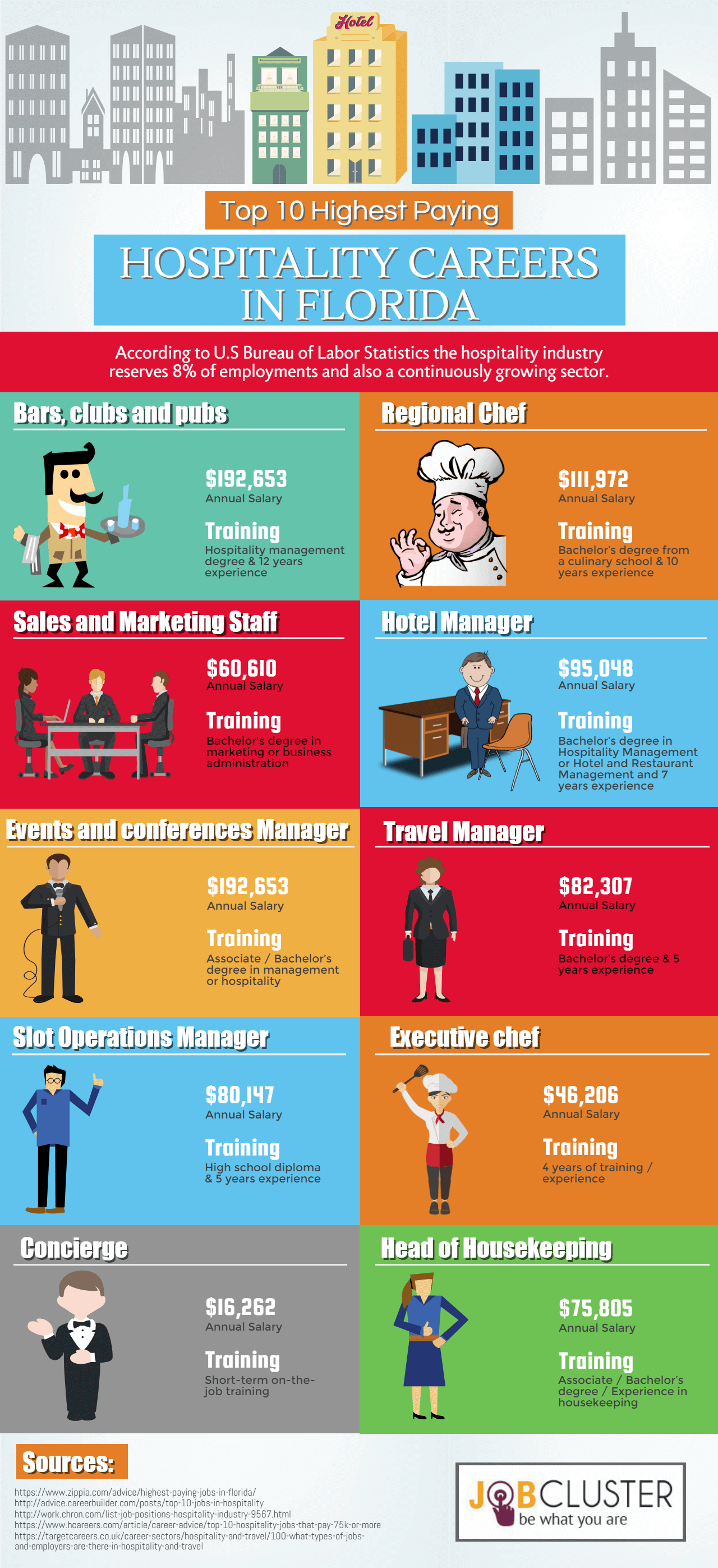
With a Master's degree in Hospitality Management, you can pursue a wide range of exciting and rewarding careers in the hospitality industry. This degree program equips you with the necessary skills and knowledge to succeed in various hospitality-related fields, including hotels, restaurants, tourism, and event management. A Master's in Hospitality Management can lead to senior-level positions, such as hotel managers, restaurant owners, or event planners, where you can apply your strategic thinking, communication, and problem-solving skills to drive business success.
Career Opportunities in Hospitality Management
A Master's degree in Hospitality Management can lead to various career opportunities in the hospitality industry. Some of the potential career paths include:
- Hotel Manager: Overseeing the daily operations of a hotel, including front desk, housekeeping, and food and beverage services.
- Restaurant Owner: Managing and operating a restaurant, including menu planning, staff management, and customer service.
- Event Planner: Coordinating and planning events, such as weddings, conferences, and festivals, to ensure a smooth and successful execution.
Specialized Roles in Hospitality Management
In addition to general management roles, a Master's degree in Hospitality Management can also lead to specialized roles in areas such as revenue management, marketing, and human resources. Some potential career paths include:
- Revenue Manager: Analyzing and optimizing room rates and revenue to maximize profitability.
- Marketing Manager: Developing and implementing marketing strategies to attract and retain customers.
- Human Resources Manager: Overseeing staff recruitment, training, and development to ensure a high-performing team.
International Career Opportunities in Hospitality Management
A Master's degree in Hospitality Management can also lead to international career opportunities in the hospitality industry. With the globalization of the hospitality industry, there is a growing demand for skilled and knowledgeable professionals who can manage and operate international hospitality businesses. Some potential career paths include:
- International Hotel Manager: Managing and operating hotels in foreign countries, requiring cultural awareness and language skills.
- Global Event Planner: Planning and coordinating international events, such as conferences and festivals, requiring strong communication and project management skills.
- Luxury Hospitality Manager: Managing and operating high-end hotels and resorts, requiring attention to detail and excellent customer service skills.
Is an MBA in hospitality worth it?

This question has been debated by many, and the answer depends on various factors. An MBA in hospitality can be a valuable investment for those who are passionate about the industry and want to advance their careers. The hospitality industry is a rapidly growing sector, and an MBA can provide the necessary skills and knowledge to succeed in this field. A hospitality MBA program can help students develop leadership skills, understand business operations, and learn how to manage hospitality organizations.
Benefits of an MBA in Hospitality
An MBA in hospitality can offer several benefits, including increased job opportunities and higher salary potential. Some of the benefits of an MBA in hospitality include:
- Improved career prospects: An MBA in hospitality can lead to better job opportunities and career advancement in the industry.
- Enhanced business skills: The program can help students develop essential business skills, such as marketing, finance, and operations management.
- Networking opportunities: An MBA in hospitality can provide students with opportunities to network with industry professionals and build relationships that can be beneficial in their future careers.
Skills and Knowledge Gained
An MBA in hospitality can provide students with a range of skills and knowledge that are essential for success in the industry. Some of the key skills and knowledge gained through an MBA in hospitality include:
- Understanding of hospitality management: The program can help students develop a deep understanding of the principles and practices of hospitality management.
- Development of strategic thinking: An MBA in hospitality can help students develop strategic thinking skills, which are essential for making informed decisions in the industry.
- Familiarity with industry trends: The program can provide students with an understanding of the latest industry trends and technologies, which can help them stay ahead in their careers.
Career Options and Specializations
An MBA in hospitality can lead to a range of career options and specializations, including hotel management, restaurant management, and event planning. Some of the career options and specializations available to MBA in hospitality graduates include:
- Hotel management: Graduates can pursue careers in hotel management, including front office management, housekeeping management, and food and beverage management.
- Restaurant management: The program can prepare students for careers in restaurant management, including restaurant operations, menu planning, and customer service.
- Event planning: An MBA in hospitality can also lead to careers in event planning, including wedding planning, conference planning, and festival management.
Which degree is best for Hospitality Management?
The best degree for Hospitality Management is often a Bachelor's degree in Hospitality Management or a related field such as Hotel Management, Tourism Management, or Restaurant Management. This degree provides students with a comprehensive education in the principles of hospitality management, including customer service, marketing, finance, and operations management. A degree in Hospitality Management can lead to a variety of career opportunities in the hospitality industry, including hotel management, restaurant management, and event planning.
Types of Hospitality Management Degrees
A degree in Hospitality Management can be obtained through various types of programs, including associate's degrees, bachelor's degrees, and master's degrees. These programs can be found at community colleges, universities, and online schools. Some of the key courses included in a Hospitality Management program are:
- Hospitality Law: This course covers the legal aspects of the hospitality industry, including contract law, employment law, and intellectual property law.
- Hospitality Marketing: This course focuses on the marketing principles and strategies used in the hospitality industry, including branding, advertising, and public relations.
- Food and Beverage Management: This course covers the management of food and beverage operations, including menu planning, inventory management, and cost control.
Skills Required for Hospitality Management
To be successful in Hospitality Management, individuals need to possess certain skills and traits, including strong communication skills, problem-solving skills, and leadership skills. They must also be able to work well under pressure and be flexible in their work schedule. Some of the key skills required for Hospitality Management are:
- Customer Service Skills: The ability to provide excellent customer service is essential in the hospitality industry, including greeting guests, handling complaints, and resolving issues.
- Time Management Skills: Hospitality managers need to be able to prioritize tasks, manage their time effectively, and meet deadlines.
- Team Management Skills: The ability to lead and manage a team is crucial in Hospitality Management, including training staff, motivating employees, and evaluating performance.
Career Opportunities in Hospitality Management
A degree in Hospitality Management can lead to a variety of career opportunities in the hospitality industry, including hotel management, restaurant management, and event planning. Some of the key career opportunities in Hospitality Management are:
- Hotel Manager: A hotel manager is responsible for the day-to-day operations of a hotel, including front desk operations, housekeeping, and food and beverage management.
- Restaurant Manager: A restaurant manager is responsible for the operations of a restaurant, including food preparation, customer service, and inventory management.
- Event Planner: An event planner is responsible for planning and coordinating events, including weddings, conferences, and meetings.
More information
What is the Master in Hospitality Management program and its significance in the industry?
The Master in Hospitality Management program is a postgraduate degree designed to equip students with the necessary skills and knowledge to succeed in the hospitality and tourism industry. This program is significant because it provides students with a comprehensive understanding of the industry, including hospitality management, tourism marketing, and hotel operations. The program also focuses on developing leadership skills and strategic thinking, enabling graduates to take on senior management roles in the industry. With the global hospitality industry expected to continue growing, the Master in Hospitality Management program is an excellent way for students to gain the skills and knowledge needed to succeed in this dynamic and competitive field.
What are the key skills and knowledge areas covered in the Master in Hospitality Management program?
The Master in Hospitality Management program covers a wide range of key skills and knowledge areas essential for success in the hospitality and tourism industry. These include hospitality management, financial management, marketing and sales, human resources management, and operational management. Students also gain a deep understanding of the global hospitality industry, including trends and developments, consumer behavior, and competitive analysis. Additionally, the program focuses on developing leadership and management skills, such as strategic thinking, problem-solving, and communication and teamwork. By covering these key skills and knowledge areas, the Master in Hospitality Management program provides students with a comprehensive education that prepares them for success in the industry.
What are the career opportunities available to graduates of the Master in Hospitality Management program?
Graduates of the Master in Hospitality Management program have a wide range of career opportunities available to them in the hospitality and tourism industry. These include senior management roles in hotels, restaurants, and other hospitality organizations, as well as consulting and advisory roles with industry consultants and government agencies. Graduates may also pursue entrepreneurial ventures, such as starting their own hospitality businesses or developing new hospitality products and services. Additionally, the program provides a strong foundation for further study, such as a Ph.D. in Hospitality Management or related fields. With the global hospitality industry expected to continue growing, the career opportunities available to graduates of the Master in Hospitality Management program are diverse and exciting, offering a wide range of possibilities for personal and professional growth.
How does the Master in Hospitality Management program prepare students for leadership roles in the hospitality and tourism industry?
The Master in Hospitality Management program prepares students for leadership roles in the hospitality and tourism industry by focusing on the development of key leadership skills, such as strategic thinking, problem-solving, and communication and teamwork. The program also provides students with a deep understanding of the global hospitality industry, including trends and developments, consumer behavior, and competitive analysis. Through a combination of theoretical and practical learning, students gain the skills and knowledge needed to succeed in senior management roles, including general management, departmental management, and functional management. Additionally, the program includes practical experiences, such as internships and consulting projects, which provide students with hands-on experience and industry connections, further preparing them for leadership roles in the industry.
Leave a Reply