
Master in Business Management: Develop the Essential Skills for Modern Business Management
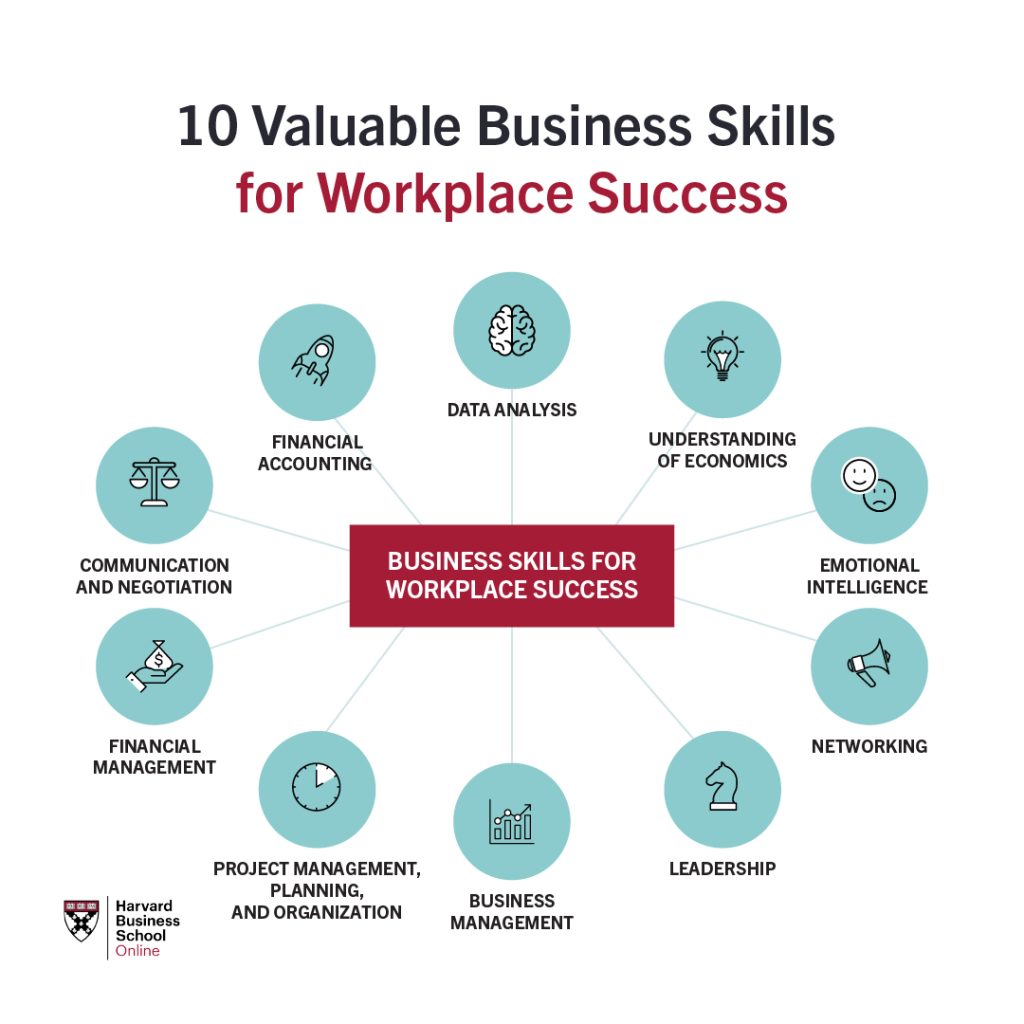
In today's fast-paced business landscape, effective management is crucial for success. A Master in Business Management degree equips professionals with the essential skills to excel in modern business environments. This advanced degree program focuses on developing strategic thinking, leadership, and problem-solving abilities, enabling graduates to drive innovation and growth in their organizations. By acquiring a deep understanding of business principles, finance, marketing, and operations, individuals can enhance their career prospects and become accomplished business leaders, capable of navigating complex challenges and capitalizing on emerging opportunities in the global market. This degree is a key to unlocking career potential.

Master in Business Management: Develop the Essential Skills for Modern Business Management
The Master in Business Management is a postgraduate degree that focuses on developing the essential skills required for modern business management. This program is designed to equip students with the knowledge, skills, and competencies needed to succeed in today's fast-paced business environment. The curriculum typically covers a wide range of topics, including strategic management, financial management, marketing management, human resource management, and operations management. Students who pursue a Master in Business Management can expect to gain a deep understanding of the principles and practices of business management, as well as the ability to apply theoretical concepts to real-world problems.
Overview of the Master in Business Management Program
The Master in Business Management program is typically a one- to two-year degree that is designed for students who have a bachelor's degree in a related field. The program is usually divided into several modules, each of which focuses on a specific aspect of business management. Students can expect to learn about business strategy, financial analysis, marketing research, human resource planning, and operations management, among other topics. The program may also include a thesis or capstone project, which requires students to apply theoretical concepts to a real-world problem or case study.
Key Skills and Competencies Developed in the Master in Business Management Program
The Master in Business Management program is designed to develop a range of key skills and competencies, including leadership, communication, problem-solving, decision-making, and teamwork. Students can expect to learn how to analyze complex business problems, develop effective solutions, and implement them in a real-world setting. The program may also include professional development activities, such as mentoring, coaching, and career counseling, to help students achieve their career goals.
Specializations and Concentrations in the Master in Business Management Program
Many Master in Business Management programs offer specializations or concentrations in specific areas of business management, such as finance, marketing, human resources, operations, or international business. Students can choose to specialize in one or more of these areas, depending on their career interests and goals. For example, a student who specializes in finance may take courses in financial accounting, corporate finance, and investment analysis, while a student who specializes in marketing may take courses in marketing research, brand management, and digital marketing.
Career Opportunities for Graduates of the Master in Business Management Program
Graduates of the Master in Business Management program can expect to have a wide range of career opportunities in various industries and sectors. Some possible career paths include management consultant, financial analyst, marketing manager, human resource manager, or operations manager. Graduates may also choose to pursue entrepreneurial ventures or start their own businesses. The program may include career services, such as job placement, internships, and professional networking, to help students achieve their career goals.
Admission Requirements and Application Process for the Master in Business Management Program
The admission requirements and application process for the Master in Business Management program may vary depending on the institution and location. Typically, applicants must have a bachelor's degree in a related field, as well as a minimum GPA or test score (such as the GMAT or GRE). Applicants may also need to provide letters of recommendation, a personal statement, and transcripts. The application process may include an interview or assessment, and applicants may need to demonstrate language proficiency (such as English language proficiency).
| Course | Description |
|---|---|
| Strategic Management | Introduction to strategic management, including mission statements, vision statements, and strategic planning |
| Financial Management | Introduction to financial management, including financial accounting, corporate finance, and investment analysis |
| Marketing Management | Introduction to marketing management, including marketing research, brand management, and digital marketing |
| Human Resource Management | Introduction to human resource management, including human resource planning, recruitment, and selection |
| Operations Management | Introduction to operations management, including supply chain management, quality control, and inventory management |
What do you learn with a masters in business?
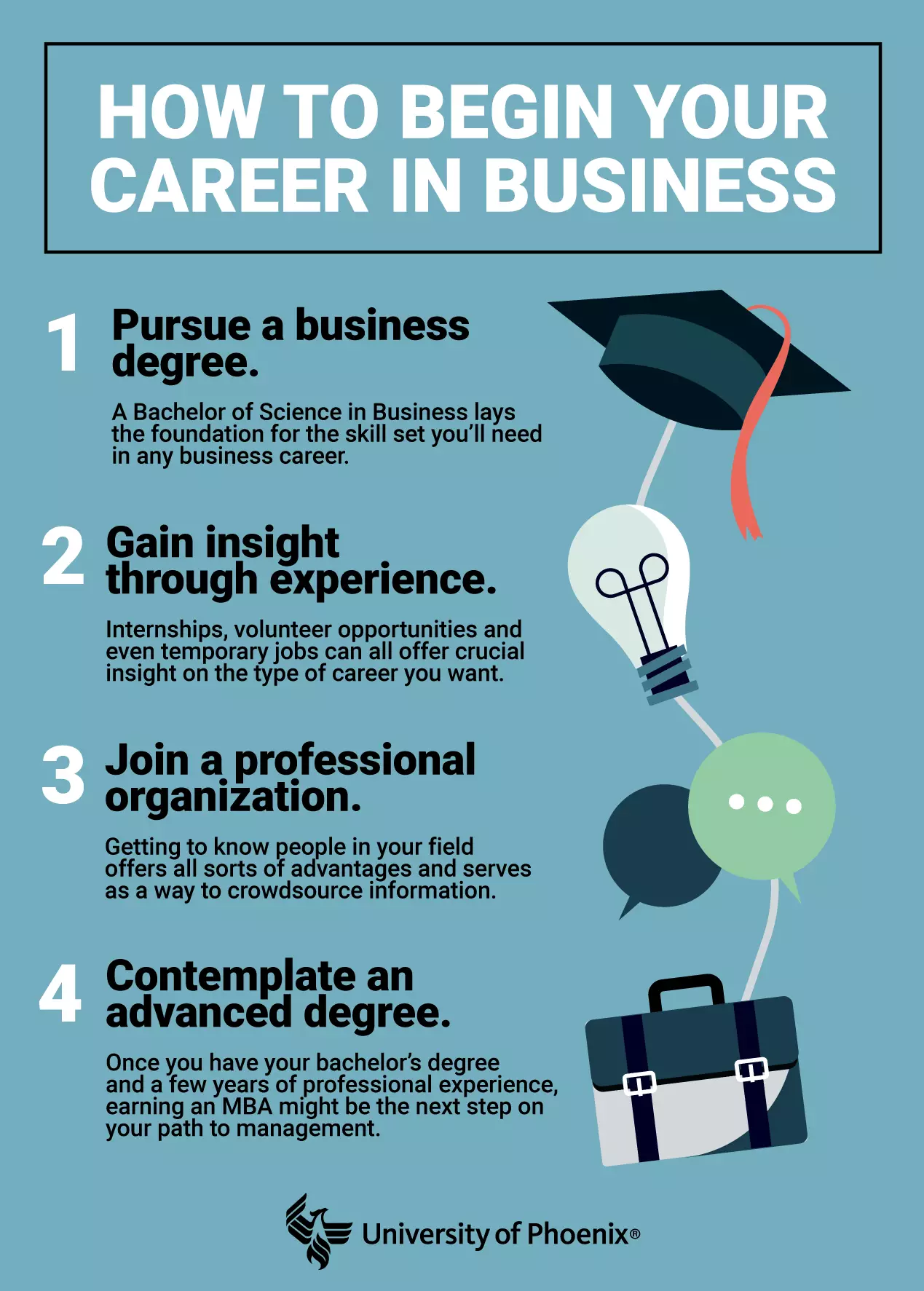
A Master's in Business degree provides students with a comprehensive understanding of business principles, including finance, marketing, operations, and management. This degree program is designed to equip students with the knowledge, skills, and strategic thinking necessary to succeed in a rapidly changing business environment. Students learn how to analyze complex business problems, develop innovative solutions, and implement effective business strategies.
Core Business Knowledge
A Master's in Business program covers a wide range of core business subjects, including accounting, economics, finance, and statistics. Students learn how to apply quantitative methods to analyze business data, develop financial models, and create business plans. Some of the key topics covered in this area include:
- Financial management: understanding financial statements, budgeting, and financial planning
- Marketing management: market research, segmentation, targeting, and positioning
- Operational management: supply chain management, logistics, and quality control
Leadership and Management Skills
A Master's in Business degree also focuses on developing leadership and management skills, including communication, teamwork, and problem-solving. Students learn how to motivate and lead teams, develop strategic plans, and implement change management initiatives. Some of the key topics covered in this area include:
- Organizational behavior: understanding individual and group behavior in organizations
- Human resource management: recruitment, selection, training, and development
- Strategic management: developing and implementing business strategies to achieve competitive advantage
Specialized Business Knowledge
Many Master's in Business programs offer specialized tracks or concentrations, allowing students to focus on a specific area of interest, such as international business, entrepreneurship, or sustainability. Students learn how to apply business principles to real-world problems and develop innovative solutions. Some of the key topics covered in this area include:
- Global business: understanding international trade, global marketing, and cross-cultural management
- Entrepreneurship: developing business plans, securing funding, and launching start-ups
- Sustainability: understanding corporate social responsibility, environmental management, and social entrepreneurship
What is a master's in management good for?
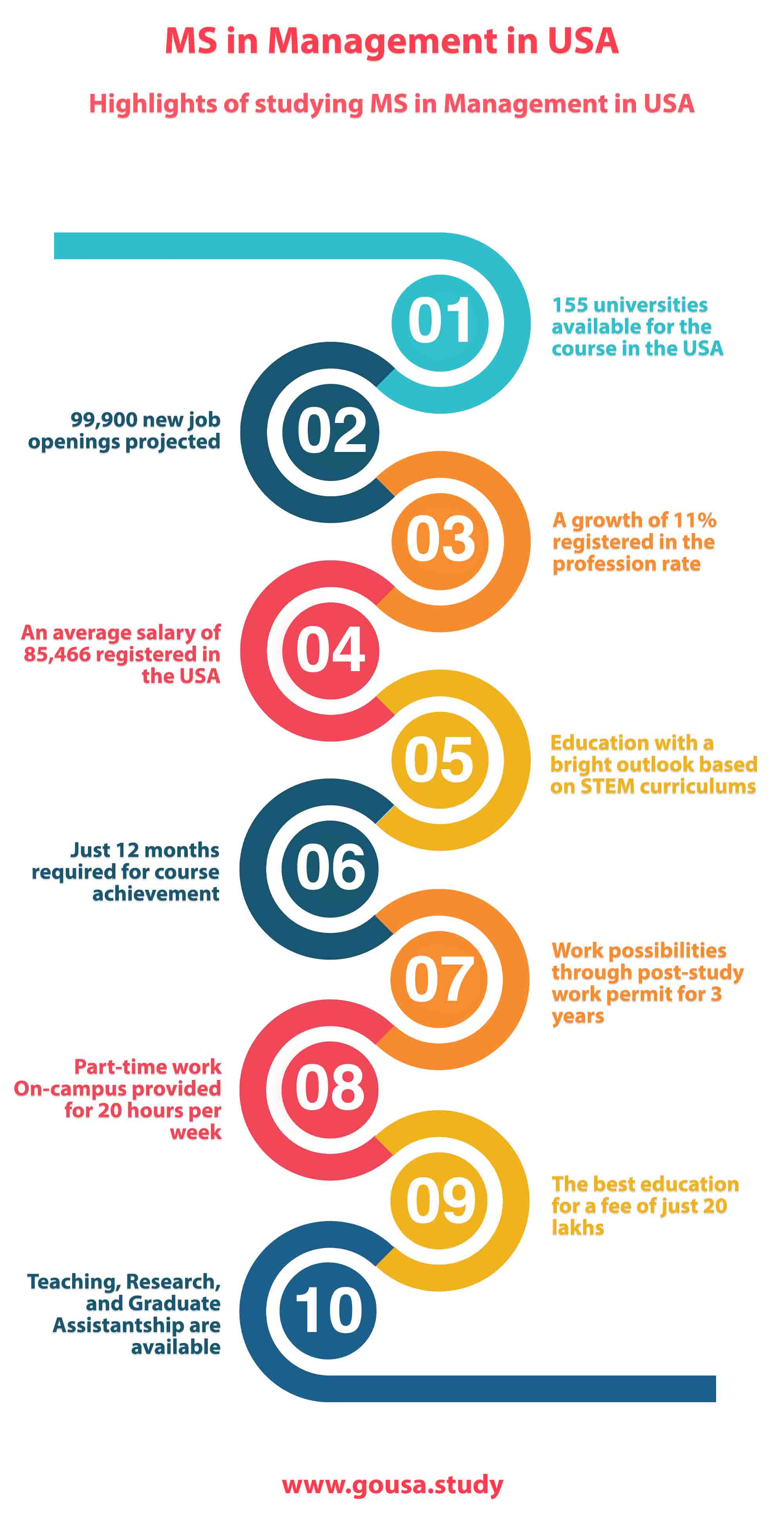
A master's in management is a postgraduate degree that focuses on developing leadership and management skills in individuals. It is designed to help students understand the strategic and operational aspects of managing a business or organization. This degree is ideal for those who want to pursue a career in management, consulting, or entrepreneurship. The program typically includes courses in finance, marketing, human resources, and operations management, which provide students with a comprehensive understanding of the business world.
Career Opportunities
A master's in management opens up a wide range of career opportunities for graduates. Some of the possible career paths include:
- Management consultant: helping organizations improve their performance and efficiency
- Business analyst: analyzing data and market trends to inform business decisions
- Operations manager: overseeing the day-to-day operations of a company or department
These careers require strong leadership and problem-solving skills, which are developed through the master's in management program. Graduates can also pursue careers in finance, marketing, or human resources, depending on their interests and skills.
Skills and Knowledge
The master's in management program helps students develop a range of essential skills and knowledge that are valuable in the business world. Some of the key skills and knowledge areas include:
- Strategic thinking: understanding how to develop and implement business strategies
- Leadership: learning how to motivate and manage teams
- Data analysis: understanding how to collect and analyze data to inform business decisions
These skills and knowledge areas are critical for success in management and leadership roles, and are highly valued by employers.
Personal Development
A master's in management is not just about developing professional skills, but also about personal development. The program helps students develop self-awareness, confidence, and communication skills, which are essential for success in any career. Some of the key personal development areas include:
- Networking: building a professional network of contacts and colleagues
- Time management: learning how to prioritize and manage time effectively
- Continuous learning: developing a growth mindset and commitment to lifelong learning
These personal development areas are critical for achieving success and fulfillment in one's career and personal life.
Why choose Master of Business Management?

The Master of Business Management (MBM) degree is a postgraduate qualification that offers a comprehensive education in business management, providing students with the knowledge, skills, and competencies necessary to succeed in a rapidly changing business environment. Choosing an MBM program can be a strategic decision for individuals seeking to advance their careers, transition into new roles, or enhance their entrepreneurial skills.
Developing Leadership and Management Skills
The MBM program focuses on developing leadership and management skills, enabling students to effectively lead and manage teams, make informed decisions, and drive business growth. Some key aspects of leadership and management skills developed through an MBM program include:
- Strategic thinking: Developing a strategic mindset to analyze complex business problems and create effective solutions.
- Communication skills: Enhancing verbal and written communication skills to effectively engage with stakeholders, including employees, customers, and investors.
- Collaboration and teamwork: Learning to work collaboratively with cross-functional teams to achieve business objectives and drive innovation.
Enhancing Career Opportunities and Networking
An MBM degree can significantly enhance career opportunities and provide a competitive edge in the job market. The program offers a chance to network with like-minded professionals, establish valuable connections, and access a global alumni network. Some key career benefits of an MBM program include:
- Career advancement: Accelerating career progression and accessing senior management roles or executive positions.
- Industry recognition: Gaining industry recognition and respect through a prestigious and accredited MBM program.
- Entrepreneurial opportunities: Developing the skills and confidence to start and grow a successful business venture.
Acquiring Specialized Knowledge and Skills
The MBM program provides students with specialized knowledge and skills in various areas of business, including finance, marketing, operations, and human resources. Some key aspects of specialized knowledge and skills acquired through an MBM program include:
- Financial management: Developing a deep understanding of financial management, including accounting, budgeting, and financial analysis.
- Marketing strategy: Learning to develop and implement effective marketing strategies to drive business growth and customer engagement.
- Operational management: Acquiring the skills to manage and optimize business operations, including supply chain management and quality control.
What skills do you gain from a business management degree?
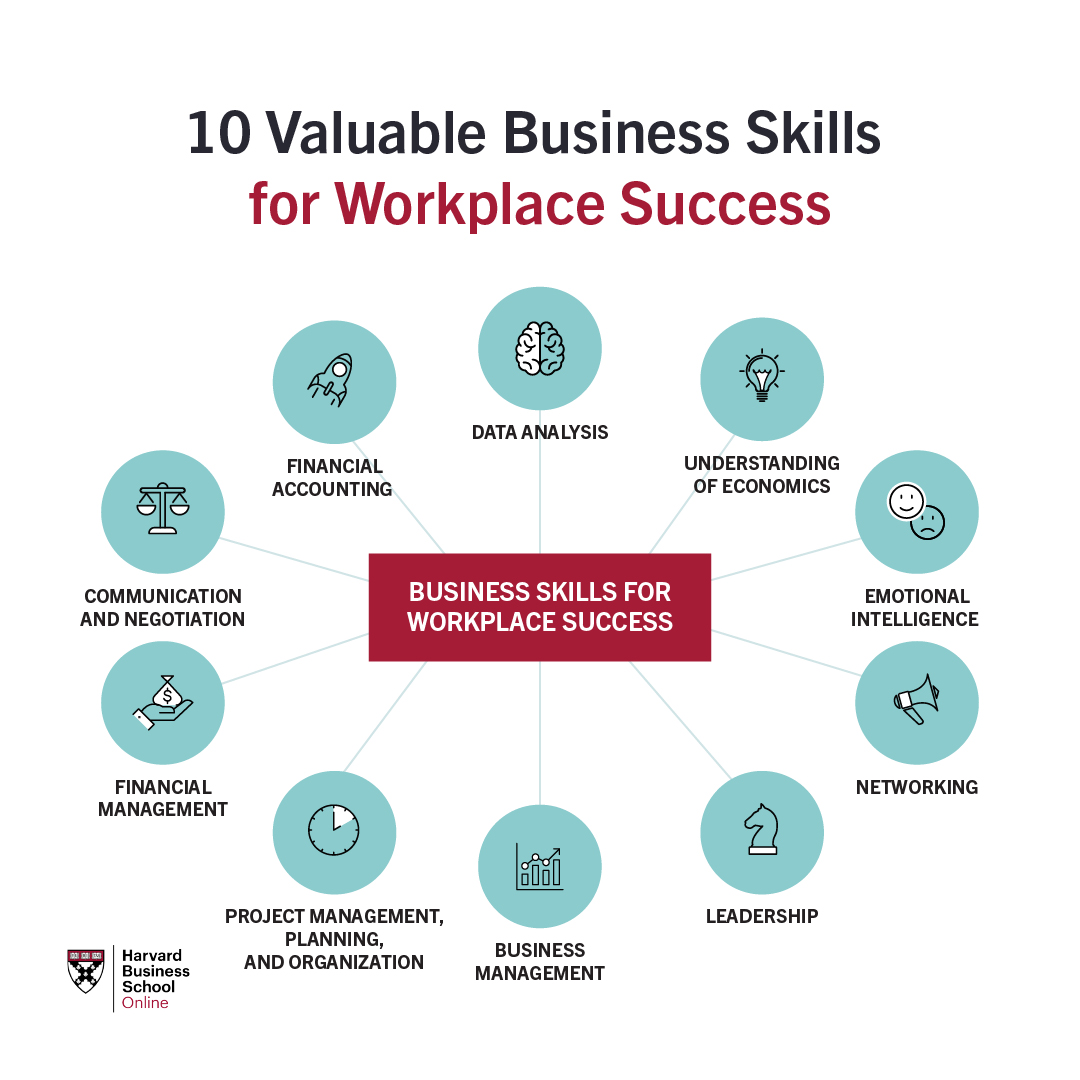
A business management degree provides students with a wide range of skills that are highly valued by employers. These skills include communication, problem-solving, and leadership, which are essential for success in the business world. Students who pursue a business management degree will gain a solid understanding of business principles, including finance, marketing, and human resources. They will also develop analytical and critical thinking skills, which will enable them to make informed decisions and solve complex problems.
Business Fundamentals
A business management degree provides students with a solid foundation in business fundamentals, including accounting, economics, and business law. Students will learn about the different types of business organizations, such as sole proprietorships, partnerships, and corporations. They will also gain an understanding of business ethics and social responsibility. Some key skills gained in this area include:
- Understanding of business structures and organizations
- Knowledge of financial statements and accounting principles
- Ability to analyze market trends and economic conditions
Leadership and Management
A business management degree also provides students with the skills and knowledge needed to become effective leaders and managers. Students will learn about strategic planning, team management, and conflict resolution. They will also develop interpersonal and communication skills, which are essential for success in the business world. Some key skills gained in this area include:
- Ability to develop and implement strategic plans
- Understanding of team dynamics and group behavior
- Knowledge of motivation and performance management techniques
Specialized Skills
In addition to the core skills gained through a business management degree, students can also develop specialized skills in areas such as digital marketing, data analysis, and entrepreneurship. Students will learn about the latest tools and technologies used in the business world, including social media, cloud computing, and data visualization. Some key skills gained in this area include:
- Understanding of digital marketing channels and strategies
- Ability to analyze and interpret data using statistical software
- Knowledge of innovation and entrepreneurship principles
More information
What are the key benefits of pursuing a Master in Business Management?
Pursuing a Master in Business Management can have numerous benefits for individuals looking to advance their careers in the field of business. One of the primary advantages is the development of essential skills necessary for success in modern business management, such as leadership, strategic thinking, and problem-solving. Additionally, a Master's degree in Business Management can provide individuals with a competitive edge in the job market, making them more attractive to potential employers. Furthermore, the program can offer networking opportunities, allowing students to connect with like-minded professionals and establish valuable relationships that can lead to future collaborations and career advancements. Overall, a Master in Business Management can be a transformative experience that equips individuals with the knowledge, skills, and confidence to succeed in today's fast-paced and ever-changing business environment.
What are the core components of a Master in Business Management program?
A Master in Business Management program typically consists of a combination of core courses and electives that provide students with a comprehensive understanding of business principles and practices. The core components of the program may include courses in financial management, marketing management, human resources management, and operations management, among others. These courses are designed to provide students with a solid foundation in the functional areas of business and prepare them for more advanced studies in their chosen area of specialization. Additionally, many programs include capstone projects or thesis requirements, which allow students to apply theoretical concepts to real-world problems and demonstrate their critical thinking and problem-solving skills. Overall, the core components of a Master in Business Management program are designed to provide students with a well-rounded education that prepares them for success in a variety of business contexts.
How can a Master in Business Management help individuals develop their leadership skills?
A Master in Business Management program can help individuals develop their leadership skills in a number of ways. Firstly, the program can provide students with a deep understanding of organizational behavior and management theory, which can help them develop a strategic perspective and make informed decisions. Additionally, many programs include leadership development courses or modules, which focus specifically on the skills and competencies required for effective leadership, such as communication, coaching, and team management. Furthermore, the program can offer practical opportunities for students to apply their leadership skills in real-world contexts, such as through group projects or case studies. Overall, a Master in Business Management can help individuals develop the leadership skills necessary to succeed in today's fast-paced and competitive business environment, where strong leadership is essential for driving innovation, growth, and success.
What career opportunities are available to graduates of a Master in Business Management program?
Graduates of a Master in Business Management program can pursue a wide range of career opportunities in various industries and sectors. Some common career paths for graduates include management consulting, financial management, marketing management, and human resources management, among others. Additionally, many graduates go on to pursue leadership roles in their chosen field, such as department manager or CEO. The program can also provide a strong foundation for individuals looking to start their own business or pursue entrepreneurial ventures. Overall, a Master in Business Management can provide graduates with a high degree of flexibility and career mobility, as well as the skills and knowledge necessary to succeed in a variety of business contexts. With a Master's degree in Business Management, graduates can advance their careers, increase their earning potential, and achieve their professional goals.