
Master in Facility Management: Optimize and Manage Efficient and Sustainable Workspaces

The Master in Facility Management is a specialized program designed to equip professionals with the skills and knowledge necessary to optimize and manage efficient and sustainable workspaces. This field of study focuses on the strategic planning, operation, and maintenance of buildings and facilities to create a safe, healthy, and productive environment. By mastering facility management, individuals can reduce operational costs, improve energy efficiency, and enhance the overall quality of the workspace, ultimately leading to increased employee satisfaction and organizational success. Effective facility management is crucial in today's fast-paced business world.

Optimizing Workspaces with a Master in Facility Management
A Master in Facility Management is a postgraduate degree that focuses on the efficient and sustainable management of buildings, infrastructure, and services. This degree program is designed to equip students with the knowledge, skills, and expertise needed to optimize and manage workspaces, ensuring that they are safe, healthy, and productive. The program covers a wide range of topics, including facility management, sustainability, energy management, maintenance, and operations.
Introduction to Facility Management
Facility management is a critical aspect of any organization, as it involves the management of buildings, infrastructure, and services. A Master in Facility Management program provides students with a comprehensive understanding of the principles and practices of facility management, including strategic planning, budgeting, and risk management. Students learn how to analyze and solve problems, make informed decisions, and communicate effectively with stakeholders.
Key Components of a Master in Facility Management Program
A Master in Facility Management program typically includes a range of core and elective courses, such as facility planning, design and construction, operations and maintenance, and sustainability and energy management. Students also have the opportunity to specialize in a particular area of interest, such as real estate, construction management, or environmental management. The program is designed to provide students with a broad understanding of the field, as well as the skills and knowledge needed to succeed in a rapidly changing environment.
Benefits of a Master in Facility Management
A Master in Facility Management offers a range of benefits, including increased earning potential, career advancement opportunities, and improved job satisfaction. Graduates of the program are equipped with the knowledge, skills, and expertise needed to optimize and manage workspaces, ensuring that they are safe, healthy, and productive. The program also provides students with a network of professionals and access to industry events and conferences.
Career Opportunities in Facility Management
Graduates of a Master in Facility Management program have a range of career opportunities available to them, including facility manager, operations manager, sustainability manager, and energy manager. They can work in a variety of industries, including real estate, construction, healthcare, and education. The program also provides students with the skills and knowledge needed to start their own facility management consulting business or energy management company.
Best Practices in Facility Management
Best practices in facility management involve the use of technology, data analytics, and sustainability principles to optimize and manage workspaces. Students learn how to measure and evaluate the performance of facilities, identify areas for improvement, and develop strategies for improvement. The program also emphasizes the importance of communication, collaboration, and stakeholder engagement in facility management.
| Course | Description |
|---|---|
| Facility Planning | This course covers the principles and practices of facility planning, including strategic planning, budgeting, and risk management. |
| Sustainability and Energy Management | This course focuses on the sustainability principles and energy management strategies needed to optimize and manage workspaces. |
| Operations and Maintenance | This course covers the operations and maintenance aspects of facility management, including maintenance scheduling, inventory management, and quality control. |
What is sustainability in facility management?
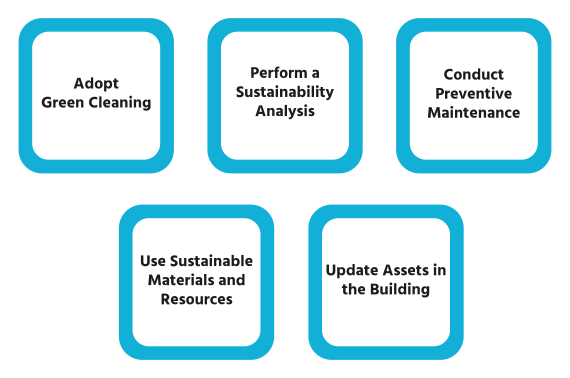
Sustainability in facility management refers to the practice of managing facilities in a way that minimizes their environmental impact while also ensuring the well-being and productivity of occupants. This involves implementing energy-efficient systems, reducing water consumption, and promoting waste reduction and recycling. Facility managers must also consider the social and economic implications of their decisions, ensuring that they align with the organization's values and mission.
Key Principles of Sustainable Facility Management
The key principles of sustainable facility management include integrating sustainability into all aspects of facility operations, engaging stakeholders and occupants in sustainability efforts, and monitoring and reporting on sustainability performance. Some of the key strategies for achieving sustainability in facility management include:
- Implementing energy-efficient lighting and HVAC systems
- Using sustainable materials in construction and renovation projects
- Reducing water consumption through low-flow fixtures and rainwater harvesting systems
Benefits of Sustainable Facility Management
The benefits of sustainable facility management are numerous and include cost savings through reduced energy and water consumption, enhanced occupant health and productivity, and improved reputation and brand image. Sustainable facility management can also help organizations comply with regulatory requirements and reduce their environmental footprint. Some of the benefits of sustainable facility management include:
- Reduced energy consumption and greenhouse gas emissions
- Improved indoor air quality and occupant comfort
- Increased property value and marketability
Challenges and Opportunities in Sustainable Facility Management
Despite the benefits of sustainable facility management, there are several challenges and opportunities that facility managers must navigate. These include balancing the costs and benefits of sustainable initiatives, engaging occupants and stakeholders in sustainability efforts, and staying up-to-date with the latest technologies and best practices. Some of the challenges and opportunities in sustainable facility management include:
- Integrating sustainability into existing facility management systems and processes
- Identifying and prioritizing sustainability initiatives and projects
- Measuring and reporting on sustainability performance and progress
Which certification is best for facility management?
When it comes to facility management, having the right certification can make all the difference in one's career. The best certification for facility management is often debated, but some of the most recognized and respected certifications include CFM (Certified Facility Manager), FMP (Facility Management Professional), and LEED AP (Leadership in Energy and Environmental Design Accredited Professional). These certifications demonstrate a certain level of expertise and knowledge in the field of facility management.
Benefits of Certification in Facility Management
Obtaining a certification in facility management can have numerous benefits, including increased job prospects, higher salary potential, and enhanced credibility. Some of the key benefits of certification include:
- Demonstrated expertise: Certification demonstrates that an individual has the necessary knowledge and skills to manage facilities effectively.
- Career advancement: Certification can lead to career advancement opportunities, such as promotions or new job opportunities.
- Networking opportunities: Certification can provide opportunities to network with other professionals in the field, potentially leading to new business opportunities or partnerships.
Types of Certifications in Facility Management
There are several types of certifications available in facility management, each with its own unique focus and requirements. Some of the most common certifications include:
- CFM (Certified Facility Manager): This certification is offered by the International Facility Management Association (IFMA) and is considered one of the most prestigious certifications in the field.
- FMP (Facility Management Professional): This certification is also offered by IFMA and is designed for individuals who are new to the field or looking to transition into a facility management role.
- LEED AP (Leadership in Energy and Environmental Design Accredited Professional): This certification is offered by the U.S. Green Building Council (USGBC) and is focused on sustainable building practices and energy efficiency.
Requirements for Certification in Facility Management
The requirements for certification in facility management vary depending on the certification and organization offering it. Some common requirements include:
- Education: Many certifications require a certain level of education, such as a bachelor's degree or associate's degree.
- Experience: Some certifications require a certain amount of work experience in the field of facility management.
- Exam: Most certifications require passing a comprehensive exam that tests an individual's knowledge and skills in facility management.
What degree is best for a facilities manager?
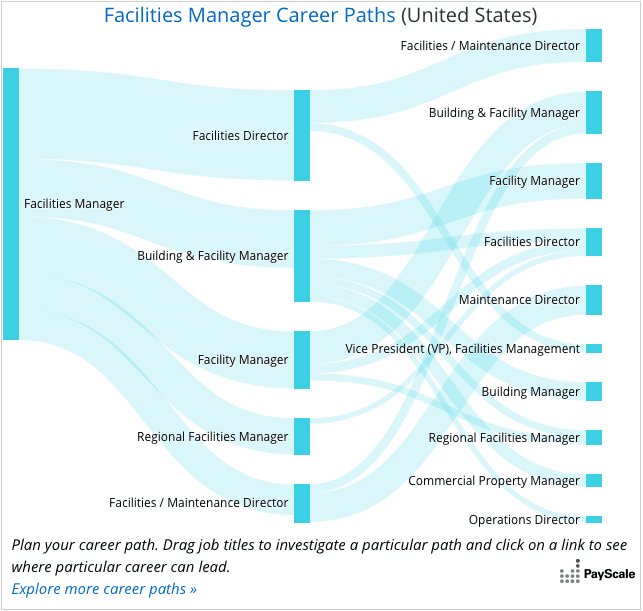
The best degree for a facilities manager is often a Bachelor's degree in a field such as Facilities Management, Business Administration, Engineering, or Architecture. This degree provides a solid foundation in the principles of facilities management, including maintenance, operations, and project management. A degree in facilities management can also provide specialized knowledge in areas such as energy management, sustainability, and emergency preparedness.
Key Skills and Knowledge
A facilities manager needs to possess a range of key skills and knowledge to be successful in their role. These include:
- Communication skills: the ability to effectively communicate with stakeholders, including employees, customers, and contractors
- Problem-solving skills: the ability to analyze problems and develop effective solutions
- Budgeting and financial management: the ability to manage budgets and make sound financial decisions
These skills and knowledge can be acquired through a combination of formal education and on-the-job training.
Facilities Management Degree Options
There are several degree options available for those interested in pursuing a career in facilities management. These include:
- Associate's degree: a two-year degree that provides a basic understanding of facilities management principles
- Bachelor's degree: a four-year degree that provides a more comprehensive education in facilities management
- Master's degree: a graduate degree that provides advanced knowledge and skills in facilities management
Each of these degree options has its own advantages and disadvantages, and the best option will depend on the individual's career goals and prior experience.
Certifications and Professional Development
In addition to a degree, facilities managers can also benefit from certifications and professional development opportunities. These include:
- Certified Facilities Manager (CFM): a certification offered by the International Facilities Management Association (IFMA)
- Facilities Management Professional (FMP): a certification offered by the IFMA
- Sustainability certifications: certifications that demonstrate expertise in sustainable facilities management
These certifications and professional development opportunities can help facilities managers stay up-to-date with the latest best practices and technologies in the field, and can also provide a competitive edge in the job market.
Is a career in facility management good?

A career in facility management can be a rewarding and challenging profession, offering a wide range of opportunities for growth and development. Facility managers are responsible for overseeing the daily operations of a facility, including maintenance, security, and sustainability. They must also ensure that the facility is running efficiently and effectively, while also providing a safe and healthy environment for occupants.
Benefits of a Career in Facility Management
A career in facility management offers many benefits, including competitive salaries, job security, and opportunities for advancement. Facility managers can work in a variety of settings, including corporate offices, hospitals, and universities. Some of the key benefits of a career in facility management include:
- Opportunities to work with state-of-the-art technology and sustainable systems
- Chances to develop strong leadership and communication skills
- Potential to make a positive impact on the environment and the community
Key Skills and Qualifications for Facility Management
To be successful in a career in facility management, individuals must possess certain key skills and qualifications. These include strong organizational and time management skills, as well as the ability to communicate effectively with a variety of stakeholders. Some of the key skills and qualifications for facility management include:
- Bachelor's degree in a field such as facility management, business administration, or engineering
- Certifications such as the CFM (Certified Facility Manager) or FMP (Facility Management Professional)
- Experience in a related field, such as maintenance, construction, or property management
Future Outlook for Facility Management Careers
The future outlook for careers in facility management is positive, with job growth expected to be faster than average in the coming years. This is due in part to the increasing focus on sustainability and energy efficiency, as well as the need for qualified professionals to manage and maintain complex facilities. Some of the key trends and opportunities in facility management include:
- Increased use of technology, such as building information modeling and facility management software
- Growing emphasis on sustainability and energy efficiency, with a focus on reducing waste and minimizing environmental impact
- More opportunities for specialization, such as healthcare facility management or data center management
More information
What is the primary goal of a Master in Facility Management program?
The primary goal of a Master in Facility Management program is to equip students with the knowledge and skills necessary to optimize and manage efficient and sustainable workspaces. This involves understanding the complexities of facility management, including the operation, maintenance, and upgrade of buildings and other facilities. Students learn how to analyze and improve the performance of facilities, taking into account factors such as energy efficiency, occupant comfort, and cost reduction. By mastering these skills, graduates can play a crucial role in creating productive and healthy work environments that support the well-being of occupants and the success of organizations.
What are the key skills and competencies required for a career in Facility Management?
A career in Facility Management requires a unique combination of technical, business, and interpersonal skills. Facility managers must be able to communicate effectively with stakeholders, including building owners, occupants, and contractors. They must also possess strong problem-solving and analytical skills, allowing them to identify and resolve issues related to facility operations, maintenance, and upgrade. Additionally, facility managers must be able to manage budgets, contracts, and projects, as well as lead and motivate teams of maintenance and support staff. By mastering these skills, facility managers can optimize facility performance, reduce costs, and enhance the overall quality of the work environment.
How can a Master in Facility Management program help professionals advance their careers?
A Master in Facility Management program can help professionals advance their careers by providing them with the knowledge, skills, and credentials necessary to succeed in this field. The program can help professionals transition into leadership roles, such as facility manager or director of facilities, or specialize in areas such as sustainability, energy management, or project management. By earning a Master's degree in Facility Management, professionals can demonstrate their commitment to the field and their ability to manage complex facilities and lead teams of professionals. This can enhance their career prospects, increase their earning potential, and open up new opportunities for advancement and growth.
What are the benefits of implementing sustainable and efficient practices in Facility Management?
Implementing sustainable and efficient practices in Facility Management can have numerous benefits, including reduced energy consumption, lower operating costs, and minimized environmental impact. By optimizing facility performance and reducing waste, organizations can enhance their reputation and brand image, as well as improve the health and productivity of occupants. Sustainable and efficient practices can also extend the lifespan of facilities and reduce the need for repairs and maintenance, resulting in cost savings and increased return on investment. Furthermore, organizations that prioritize sustainability and efficiency can attract and retain top talent, drive innovation, and stay ahead of the competition in an increasingly competitive and regulatory environment.
Leave a Reply