
Design Management: A Master's for Creatives and Strategists Seeking Business Impact
Design management is a rapidly evolving field that combines creativity, strategy, and business acumen to drive innovation and growth. A Master's in Design Management is ideal for creatives and strategists seeking to amplify their impact in the business world. This degree program equips professionals with the skills to bridge the gap between design and business, fostering a deeper understanding of the role design plays in driving business success. By merging artistic vision with strategic thinking, design management professionals can unlock new opportunities and propel their organizations forward. This unique fusion of skills is highly valued in today's competitive market.

Design Management: Unlocking Business Potential through Creative Strategy
Design Management is a field that combines creativity, strategy, and business acumen to drive innovation and growth. It involves the application of design principles and methods to manage and improve the design process, from concept to delivery. A Master's degree in Design Management is ideal for creatives and strategists seeking to make a meaningful impact in business. This program equips students with the skills and knowledge to navigate the intersection of design, business, and technology, and to lead design teams and organizations towards sustainable and innovative solutions.
Introduction to Design Management
Design Management is a multidisciplinary field that draws on design thinking, business strategy, and project management. It involves the coordination and oversight of design projects, from initial concept to final delivery. Effective Design Management requires strong communication, collaboration, and problem-solving skills, as well as the ability to balance creative vision with business objectives. A Master's degree in Design Management provides students with a comprehensive understanding of the design process, including research, concept development, prototyping, and testing.
Key Skills and Competencies
To be successful in Design Management, individuals need to possess a range of key skills and competencies, including: - Strong understanding of design principles and methods - Business acumen and strategic thinking - Excellent communication and collaboration skills - Ability to manage and lead design teams - Strong problem-solving and analytical skills A Master's degree in Design Management helps students develop these skills and competencies, preparing them for leadership roles in design and business.
Design Management in Practice
Design Management is applied in a variety of industries and contexts, including product design, service design, and experience design. It involves working with cross-functional teams to develop and implement design solutions that meet business objectives and customer needs. Effective Design Management requires a deep understanding of the design process, as well as the ability to navigate complex organizational systems and stakeholder relationships. A Master's degree in Design Management provides students with the skills and knowledge to apply design management principles in real-world contexts.
Benefits of a Master's Degree in Design Management
A Master's degree in Design Management offers a range of benefits, including: - Enhanced career opportunities in design and business - Development of key skills and competencies - Networking opportunities with professionals and peers - Access to cutting-edge research and industry trends - Personal and professional growth through challenging and rewarding coursework By pursuing a Master's degree in Design Management, students can position themselves for success in this exciting and rapidly evolving field.
Future of Design Management
The future of Design Management is exciting and rapidly evolving, with emerging trends and technologies such as artificial intelligence, virtual reality, and sustainable design. As businesses and organizations continue to recognize the value of design in driving innovation and growth, the demand for skilled Design Managers is likely to increase. A Master's degree in Design Management provides students with the skills and knowledge to stay ahead of the curve and to lead design teams and organizations towards sustainable and innovative solutions.
| Design Management Skills | Business Acumen | Design Thinking | Project Management |
|---|---|---|---|
| Communication | Financial Management | Empathy | Scope Definition |
| Creativity | Marketing Strategy | Problem-Solving | Scheduling |
| Collaboration | Operations Management | Prototyping | Budgeting |
What are the three 3 key roles of design management?
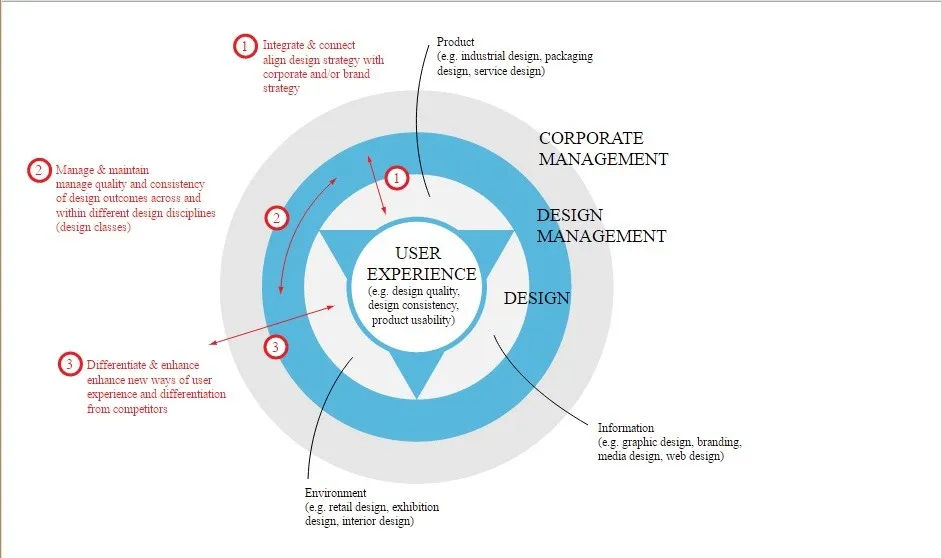
The three key roles of design management are to oversee the design process, manage the design team, and ensure that the design solution meets the client's needs and expectations.
Design Strategy and Planning
Effective design management involves developing a comprehensive design strategy that aligns with the company's overall goals and objectives. This requires planning and coordination of all design-related activities, from concept development to implementation. Some key aspects of design strategy and planning include:
- Defining the design brief and project scope
- Conducting market research and competitive analysis
- Developing a design concept and prototype
Design Team Management
Design team management is a critical aspect of design management, as it involves leading and motivating a team of designers to produce high-quality work. This requires strong communication skills, emotional intelligence, and the ability to delegate tasks and manage conflicts. Some key aspects of design team management include:
- Recruiting and hiring talented designers
- Mentoring and training team members
- Performance management and evaluation
Design Solution Implementation
The final key role of design management is to ensure that the design solution is implemented effectively and efficiently. This requires project management skills, including scheduling, budgeting, and risk management. Some key aspects of design solution implementation include:
- Testing and quality assurance
- Launch planning and execution
- Post-launch evaluation and feedback
Is Masters of design worth it?

The value of a Master's degree in design depends on various factors, including the individual's career goals, financial situation, and personal interests. Pursuing a Master's degree in design can be a significant investment of time, money, and effort. However, for those who are passionate about design and want to advance their careers, it can be a worthwhile endeavor. A Master's degree in design can provide advanced knowledge and skills in a specific area of design, such as user experience (UX) design, graphic design, or industrial design. This can lead to better job prospects, higher salaries, and greater career satisfaction.
Benefits of a Master's Degree in Design
A Master's degree in design can offer numerous benefits, including:
- Enhanced career opportunities, as many employers require or prefer candidates with advanced degrees
- Increased earning potential, as designers with Master's degrees can command higher salaries
- Developed specialized skills, such as design thinking, prototyping, and design research, which can be applied to a variety of industries and fields
This can be especially beneficial for those who want to work in senior design roles or start their own design businesses.
Cost and Time Commitment of a Master's Degree in Design
The cost and time commitment of a Master's degree in design can be significant. Tuition fees for design programs can be high, and the program can take two years or more to complete. However, many universities offer scholarships, assistantships, and loans to help students finance their education. Additionally, some design programs offer part-time or online options, which can be more flexible and convenient for working professionals. Considerations for the cost and time commitment include:
- Tuition fees, which can range from $10,000 to $50,000 or more per year
- Living expenses, such as housing, food, and transportation, which can add up quickly
- Opportunity cost, as pursuing a Master's degree may require putting other aspects of life on hold, such as work or personal projects
These factors should be carefully weighed when deciding whether to pursue a Master's degree in design.
Alternative Options to a Master's Degree in Design
For those who are unsure about pursuing a Master's degree in design, there are alternative options to consider. These include:
- Online courses and certification programs, which can provide specialized skills and knowledge in a specific area of design
- Workshops and conferences, which can offer hands-on experience and networking opportunities
- Self-directed learning, which can involve reading books, watching tutorials, and working on personal projects to develop design skills and knowledge
These alternatives can be more affordable and flexible than a Master's degree program, and can still provide valuable learning experiences and career benefits.
Is design management a good career?

Design management can be a highly rewarding and challenging career for individuals who are passionate about design and leadership. It involves overseeing the design process, from conception to implementation, and ensuring that the final product meets the client's needs and expectations. A design manager must possess a unique combination of creative, technical, and business skills to succeed in this role.
Key Skills and Qualities
To be successful in design management, one must possess a range of key skills and qualities, including:
- Strong understanding of design principles and human-centered design methodologies
- Excellent communication and project management skills to effectively collaborate with cross-functional teams
- Ability to balance creative vision with business objectives and technical constraints
These skills and qualities enable design managers to navigate the complexities of the design process, make informed decisions, and drive innovation and growth in their organizations.
Career Paths and Opportunities
Design management offers a range of career paths and opportunities for individuals to grow and develop their skills. Some potential career paths include:
- Design director or creative director, overseeing the overall design strategy and direction of an organization
- Product manager, responsible for the development and launch of products and services
- Innovation consultant, helping organizations to develop innovative solutions and business models
These career paths require design managers to stay up-to-date with the latest design trends and technologies, and to continually develop their skills and knowledge to remain competitive in the job market.
Industry Applications and Impact
Design management has a significant impact on various industries, including technology, healthcare, and finance. By applying design thinking and human-centered design principles, organizations can create user-centered products and services that meet the needs and expectations of their customers. Some examples of industry applications include:
- Developing mobile apps and digital platforms that are intuitive and user-friendly
- Designing medical devices and equipment that are safe and effective
- Creating financial services and products that are accessible and inclusive
By leveraging design management principles and practices, organizations can drive innovation, growth, and success in their respective industries.
What is creative design management?

Creative design management refers to the process of overseeing and guiding the development of design projects, from conception to completion. It involves strategic planning, team management, and problem-solving to ensure that the design project meets its objectives and goals. Effective creative design management requires a deep understanding of the design process, as well as strong communication and project management skills.
Key Principles of Creative Design Management
The key principles of creative design management include establishing clear goals and objectives, defining the scope of the project, and developing a detailed timeline. This involves:
- Defining the project's mission and vision to ensure that all team members are working towards the same goals
- Conducting market research and analyzing trends to inform the design process and ensure that the final product meets the needs of the target audience
- Developing a comprehensive project plan, including milestones, deadlines, and budgets, to ensure that the project stays on track and is completed within the desired timeframe
The Role of Technology in Creative Design Management
Technology plays a crucial role in creative design management, as it provides tools and software that can facilitate the design process, improve collaboration, and enhance productivity. This includes:
- Design software, such as Adobe Creative Cloud, that enables designers to create and edit visual elements, such as images and videos
- Project management tools, such as Asana and Trello, that help teams organize and prioritize tasks, and track progress
- Communication platforms, such as Slack and Skype, that enable team members to collaborate and communicate effectively, regardless of their location
Best Practices for Effective Creative Design Management
To ensure the success of a design project, it is essential to follow best practices in creative design management. This includes:
- Establishing a clear and consistent design language, to ensure that all visual elements are coherent and aligned with the project's goals
- Fostering a collaborative and inclusive team culture, to encourage open communication, feedback, and idea-sharing
- Embracing flexibility and adaptability, to respond to changes and challenges that may arise during the design process, and to ensure that the final product meets the needs of the target audience
More information
What is Design Management and its significance in the business world?
Design Management is a discipline that combines creativity, strategy, and business acumen to drive innovation and growth in organizations. It involves the application of design thinking and design principles to business problems, with the goal of creating value for both the organization and its customers. Effective Design Management can lead to improved customer experiences, increased revenue, and competitive advantage in the market. As a result, Design Management has become a critical component of business strategy in many industries, and companies are now seeking talented individuals who can bridge the gap between creativity and business.
What skills and knowledge are required to succeed in Design Management?
To succeed in Design Management, individuals need to possess a unique combination of creative, strategic, and business skills. They must have a deep understanding of design principles and design thinking, as well as the ability to analyze business problems and develop effective solutions. Additionally, Design Managers need to be strong communicators and collaborators, able to work effectively with cross-functional teams and stakeholders to drive innovation and growth. They must also be strategic thinkers, able to align design and business objectives to drive business impact. A Master's degree in Design Management can provide individuals with the knowledge, skills, and network needed to succeed in this field.
How can a Master's degree in Design Management benefit creatives and strategists?
A Master's degree in Design Management can benefit creatives and strategists in several ways. For creatives, the program can provide a deeper understanding of business principles and strategy, enabling them to monetize their creative skills and drive business impact. For strategists, the program can provide a deeper understanding of design thinking and design principles, enabling them to develop more effective and innovative business solutions. The program can also provide both creatives and strategists with the network and tools needed to advance their careers and drive business growth. Additionally, the program can provide a platform for individuals to -transition into new roles or industries, or to start their own businesses.
What kind of career opportunities are available to graduates of a Design Management program?
Graduates of a Design Management program can pursue a wide range of career opportunities in various industries, including consulting, finance, technology, and non-profit. They can work as Design Managers, Innovation Consultants, Strategy Directors, or Entrepreneurs, driving innovation and growth in organizations. They can also work in roles such as Service Design, UX Design, or Brand Management, applying design thinking and design principles to drive business impact. Additionally, graduates can also pursue academic or research careers, teaching and researching Design Management in universities or research institutions. The career opportunities available to graduates of a Design Management program are diverse and exciting, and can lead to a fulfilling and successful career.
Leave a Reply