
Why Study Sport Management? Careers in Sports Marketing, Club Management, and More

The world of sports is a multibillion-dollar industry, offering a wide range of career opportunities for individuals with a passion for athletics and business. Studying sport management can lead to exciting careers in sports marketing, club management, facilities management, and more. With a solid understanding of the sports industry, graduates can pursue roles in event planning, sponsorship, and athlete management, among others. By exploring the various aspects of sport management, individuals can gain the knowledge and skills necessary to succeed in this dynamic and rewarding field, and make a lasting impact on the sports world.

Why Study Sport Management? Careers in Sports Marketing, Club Management, and More
Studying sport management can lead to a wide range of exciting and rewarding career opportunities in the sports industry. The field of sport management encompasses various aspects, including sports marketing, club management, event management, and more. By pursuing a degree in sport management, individuals can gain a comprehensive understanding of the business side of sports, preparing them for careers in this dynamic and rapidly growing industry.
Introduction to Sport Management
Sport management is an interdisciplinary field that combines elements of business, communication, and kinesiology to manage and promote sports programs, events, and organizations. Students of sport management learn about the principles of management, marketing, and finance, as well as the specific challenges and opportunities of the sports industry. By studying sport management, individuals can develop the skills and knowledge needed to succeed in a variety of roles, from team management to event coordination.
Careers in Sports Marketing
Sports marketing is a key aspect of sport management, involving the promotion and sale of sports products, services, and events. Careers in sports marketing can include roles such as brand manager, sponsorship coordinator, and social media manager. These professionals use their knowledge of market research, consumer behavior, and advertising to develop effective marketing strategies and campaigns that engage fans and drive revenue.
Club Management and Operations
Club management is another important area of sport management, involving the day-to-day operations of sports teams, clubs, and organizations. Careers in club management can include roles such as general manager, operations manager, and facility manager. These professionals oversee the logistics, finance, and personnel of sports organizations, ensuring that they run smoothly and efficiently.
Event Management and Planning
Event management is a critical aspect of sport management, involving the planning and execution of sports events, such as games, tournaments, and conferences. Careers in event management can include roles such as event coordinator, tournament director, and venue manager. These professionals use their knowledge of event planning, risk management, and customer service to create successful and memorable events that meet the needs of athletes, spectators, and sponsors.
Education and Professional Development
To pursue a career in sport management, individuals typically need to complete a degree program in sport management or a related field, such as business administration or communication studies. Many universities and colleges offer undergraduate and graduate degree programs in sport management, which provide students with the knowledge, skills, and networking opportunities needed to succeed in the industry. Professional development is also important in sport management, with many professionals pursuing certifications, workshops, and conferences to stay up-to-date on industry trends and best practices.
| Career | Job Description | Salary Range |
|---|---|---|
| Sports Marketing Manager | Develops and implements marketing campaigns to promote sports teams, events, and products | $50,000 - $100,000 |
| Club General Manager | Oversees the day-to-day operations of a sports team or club, including finance, personnel, and logistics | $70,000 - $150,000 |
| Event Coordinator | Plans and executes sports events, including games, tournaments, and conferences | $30,000 - $60,000 |
Why do you want to study sports management?
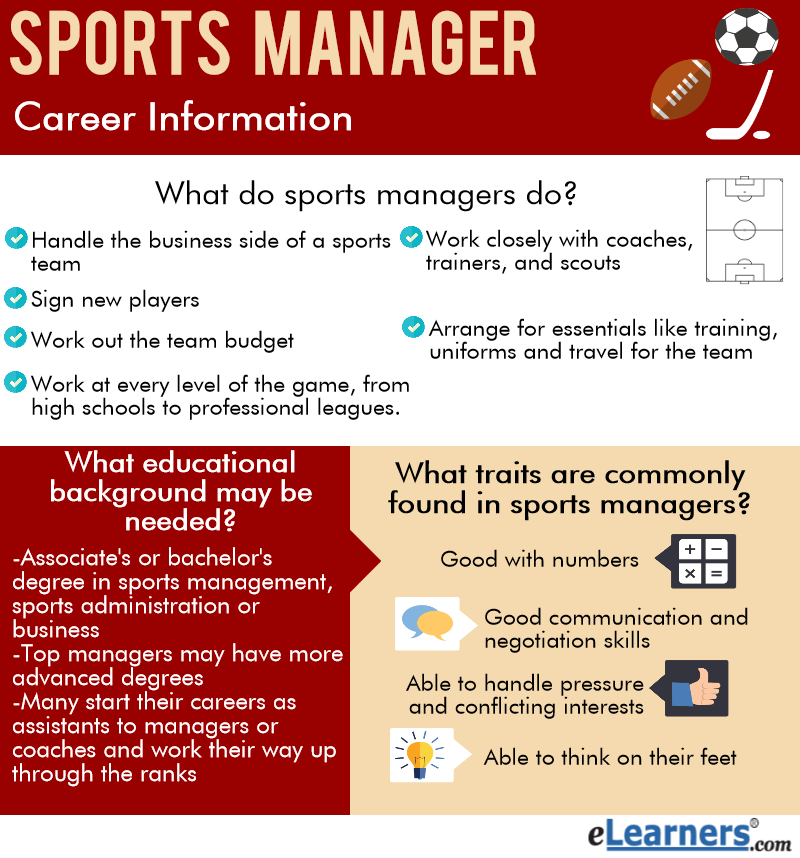
The desire to study sports management stems from a passion for the sports industry and a desire to understand the business side of sports. This field combines aspects of marketing, finance, and law to manage sports teams, events, and organizations. By studying sports management, individuals can gain a deeper understanding of the industry and develop the skills necessary to succeed in this field.
Career Opportunities in Sports Management
Studying sports management can lead to a variety of career opportunities, including working for sports teams, leagues, and organizations. Some potential career paths include:
- Sports Marketing: working to promote teams, events, and products to fans and sponsors
- Event Management: coordinating and executing sports events, such as games, tournaments, and festivals
- Athletic Administration: managing the business side of sports teams and organizations, including finance, human resources, and operations
These careers require a strong understanding of the sports industry, as well as business and marketing principles.
Key Skills for Success in Sports Management
To succeed in sports management, individuals need to develop a range of key skills, including:
- Communication: the ability to effectively communicate with stakeholders, including fans, sponsors, and team owners
- Leadership: the ability to motivate and manage teams, including coaches, players, and staff
- Problem-Solving: the ability to analyze problems and develop creative solutions, often under pressure
These skills are essential for managing the complexities of the sports industry and ensuring the success of sports teams and organizations.
The Future of Sports Management
The sports management industry is evolving rapidly, with new technologies and trends emerging all the time. Some of the key trends shaping the future of sports management include:
- Digital Media: the increasing importance of social media, online streaming, and video games in the sports industry
- Globalization: the growing globalization of sports, with teams and leagues competing in international markets
- Sustainability: the need for sports teams and organizations to prioritize sustainability and social responsibility
These trends require sports management professionals to be adaptable, innovative, and forward-thinking, and to have a deep understanding of the sports industry and its complexities.
What is the difference between sports management and sports marketing?

The primary difference between sports management and sports marketing is the focus of each field. Sports management deals with the administration and organization of sports teams, events, and facilities, while sports marketing focuses on promoting and selling sports products, services, and events. Sports management involves overseeing the day-to-day operations of a sports organization, including finance, human resources, and facility management. On the other hand, sports marketing involves developing and implementing strategies to promote sports events, teams, and products, and to attract sponsors and fans.
Differences in Roles and Responsibilities
In sports management, the roles and responsibilities include planning, organizing, and supervising sports events, as well as managing budgets and staff. In sports marketing, the roles and responsibilities include developing and implementing marketing campaigns, conducting market research, and evaluating the effectiveness of marketing strategies. Some key differences in roles and responsibilities include:
- Event Management: Sports management involves overseeing the logistics of sports events, while sports marketing involves promoting and selling tickets to these events.
- Sponsorship: Sports marketing involves securing sponsorships and partnerships with brands, while sports management involves managing these relationships and ensuring that sponsorship obligations are met.
- Fan Engagement: Sports marketing involves developing strategies to engage with fans and build a loyal fan base, while sports management involves ensuring that fans have a positive experience at sports events.
Skills and Knowledge Required
The skills and knowledge required for sports management and sports marketing are different. Sports management requires strong organizational and communication skills, as well as knowledge of finance and human resources. Sports marketing requires creativity, analytical skills, and knowledge of marketing principles and consumer behavior. Some key skills and knowledge required for each field include:
- Business Acumen: Sports management requires a strong understanding of business principles, including finance and accounting, while sports marketing requires a strong understanding of marketing principles, including market research and consumer behavior.
- Communication Skills: Both sports management and sports marketing require strong communication skills, but sports marketing also requires writing and design skills to create effective marketing materials.
- Data Analysis: Sports marketing requires data analysis skills to evaluate the effectiveness of marketing strategies and make data-driven decisions, while sports management requires data analysis skills to manage budgets and staff.
Career Paths and Opportunities
The career paths and opportunities for sports management and sports marketing are different. Sports management careers include team management, event management, and facility management, while sports marketing careers include marketing management, sponsorship sales, and fan engagement. Some key career paths and opportunities for each field include:
- Team Management: Sports management careers can involve managing sports teams, including overseeing coaches, players, and staff.
- Marketing Agencies: Sports marketing careers can involve working for marketing agencies that specialize in sports marketing, or for sports brands that need marketing professionals to promote their products and services.
- Sports Media: Both sports management and sports marketing careers can involve working in sports media, including broadcasting, journalism, and social media.
Why is management important in sports?

Management is important in sports because it provides a framework for organizing and coordinating various aspects of a team or organization. Effective management enables sports teams to achieve their goals, improve performance, and increase efficiency. In sports, management involves a range of activities, including planning, strategizing, and decision-making.
Strategic Planning in Sports Management
Strategic planning is a critical aspect of sports management, as it involves setting goals and objectives for the team or organization. This process requires a thorough analysis of the team's strengths and weaknesses, as well as an understanding of the competitive landscape. To achieve strategic planning, sports managers can follow these steps:
- Conduct a situation analysis to identify the team's strengths, weaknesses, opportunities, and threats
- Develop a mission statement that outlines the team's purpose and objectives
- Establish key performance indicators to measure progress and success
Financial Management in Sports
Financial management is another crucial aspect of sports management, as it involves managing the team's budget and resources. This includes generating revenue through sponsorship and ticket sales, as well as controlling expenses such as player salaries and equipment costs. Effective financial management enables sports teams to maintain financial stability and invest in infrastructure and talent development. Some key aspects of financial management in sports include:
- Developing a comprehensive budget that accounts for all revenue and expenses
- Identifying revenue streams such as sponsorship, broadcasting, and merchandise sales
- Implementing cost-control measures to minimize expenses and optimize resource allocation
Performance Management in Sports
Performance management is a vital component of sports management, as it involves monitoring and evaluating the performance of athletes, coaches, and other team staff. This process requires the use of data analytics and performance metrics to assess individual and team performance. Effective performance management enables sports teams to identify areas for improvement and develop strategies to enhance performance. Some key aspects of performance management in sports include:
- Developing performance metrics such as win-loss records, scoring averages, and player statistics
- Using data analytics to analyze performance trends and identify areas for improvement
- Implementing coaching and training programs to enhance athlete development and performance
Why work in sports marketing?

The answer lies in the excitement and dynamism of the industry. Sports marketing is a field that combines passion for sports with creativity and innovation in marketing. It offers a unique opportunity to work with iconic brands, influential athletes, and dedicated fans. The industry is constantly evolving, with new trends and technologies emerging, making it an engaging and challenging field to work in.
Benefits of a Career in Sports Marketing
A career in sports marketing offers numerous benefits, including competitive salaries, opportunities for advancement, and exposure to high-profile events. Some of the advantages of working in sports marketing include:
- Job security: The sports industry is a multi-billion dollar market, providing a stable and secure job market.
- Variety of roles: Sports marketing encompasses a wide range of roles, from brand management to event planning, offering a variety of career paths.
- Opportunities for advancement: With experience and dedication, professionals in sports marketing can move into senior roles, such as director of marketing or vice president of sales.
Key Skills for Success in Sports Marketing
To succeed in sports marketing, professionals need to possess a combination of technical, business, and interpersonal skills. Some of the key skills required include:
- Marketing knowledge: A solid understanding of marketing principles, including brand management, advertising, and public relations.
- Communication skills: The ability to effectively communicate with stakeholders, including athletes, sponsors, and fans.
- Data analysis skills: The ability to analyze data and interpret results to inform marketing decisions and measure campaign effectiveness.
Future Trends in Sports Marketing
The sports marketing industry is constantly evolving, with new trends and technologies emerging. Some of the future trends that are expected to shape the industry include:
- Personalization: The use of data and analytics to create personalized marketing campaigns and tailored experiences for fans.
- Esports: The growth of esports as a major player in the sports marketing industry, with new opportunities for branding and sponsorship.
- Social media: The increasing importance of social media in sports marketing, with influencer marketing and social media advertising becoming key channels for reaching fans.
More information
What are the benefits of studying Sport Management?
Studying Sport Management can provide individuals with a wide range of benefits, including career opportunities in the sports industry, which is a rapidly growing and highly competitive field. With a degree in Sport Management, individuals can pursue careers in sports marketing, club management, event planning, and more. Additionally, studying Sport Management can help individuals develop strong communication and leadership skills, which are essential for success in the sports industry. Furthermore, many Sport Management programs offer internship opportunities, which can provide individuals with hands-on experience and help them build networks in the industry. By studying Sport Management, individuals can gain a competitive edge in the job market and pursue a rewarding career in the sports industry.
What types of careers are available in Sport Management?
The types of careers available in Sport Management are diverse and varied, and can include sports marketing, club management, event planning, and more. Individuals with a degree in Sport Management can pursue careers as sports agents, event coordinators, marketing managers, and facility managers, among others. Additionally, many Sport Management graduates go on to work in professional sports leagues, such as the NFL, NBA, and MLB, or in collegiate athletics. Others may pursue careers in sports media, sports law, or sports entrepreneurship. With a degree in Sport Management, individuals can pursue a wide range of careers that are both challenging and rewarding. By gaining a strong understanding of the business side of the sports industry, individuals can position themselves for success in a competitive and fast-paced field.
How can I gain practical experience in Sport Management?
Gaining practical experience in Sport Management is essential for individuals who want to pursue a career in the sports industry. Many Sport Management programs offer internship opportunities, which can provide individuals with hands-on experience and help them build networks in the industry. Additionally, individuals can gain practical experience by volunteering or working part-time in sports-related jobs, such as event staffing or facility management. Many sports organizations and teams also offer internship programs, which can provide individuals with valuable experience and career advancement opportunities. By gaining practical experience, individuals can develop strong skills and knowledge in areas such as sports marketing, event planning, and club management, and can position themselves for success in the competitive sports industry.
What skills and knowledge are required for a career in Sport Management?
A career in Sport Management requires a wide range of skills and knowledge, including strong communication and leadership skills, as well as a strong understanding of the business side of the sports industry. Individuals pursuing a career in Sport Management should have a solid foundation in areas such as sports marketing, event planning, and club management, as well as finance, accounting, and human resources. Additionally, individuals should be proficient in technology and data analysis, and have a strong understanding of the legal and ethical aspects of the sports industry. By developing strong skills and knowledge in these areas, individuals can position themselves for success in a competitive and fast-paced field, and pursue a rewarding career in Sport Management. Strong networking and relationship-building skills are also essential for success in the sports industry, as they can help individuals build valuable connections and advance their careers.
Leave a Reply