
Why is Facility Management Vital for Businesses? Operational Efficiency and Workplace Well-being

Effective facility management is crucial for businesses to thrive in today's competitive market. It encompasses a wide range of activities, from maintenance and operations to sustainability and employee well-being. By prioritizing facility management, organizations can optimize their operational efficiency, reduce costs, and enhance the overall workplace experience. A well-managed facility can also have a significant impact on employee productivity, job satisfaction, and retention, ultimately driving business success. This article explores the vital role of facility management in enhancing operational efficiency and promoting workplace well-being. It highlights the key benefits and best practices for businesses to consider.

Why is Facility Management Vital for Businesses? Operational Efficiency and Workplace Well-being
Facility management is a crucial aspect of any business, as it plays a significant role in maintaining operational efficiency and promoting workplace well-being. Effective facility management can help organizations reduce costs, improve productivity, and enhance the overall work environment. This, in turn, can lead to increased employee satisfaction, reduced absenteeism, and improved job performance.
What is Facility Management and Its Importance?
Facility management refers to the management and maintenance of buildings, infrastructure, and other physical assets. It involves a range of activities, including space planning, energy management, waste management, and emergency preparedness. The importance of facility management lies in its ability to support the core business functions and ensure the safety and comfort of employees, customers, and visitors.
Key Benefits of Effective Facility Management
Effective facility management can bring numerous benefits to an organization, including cost savings, improved productivity, and enhanced brand reputation. It can also help reduce the risk of accidents and injuries, improve compliance with regulatory requirements, and support sustainability initiatives. Furthermore, effective facility management can help organizations respond to changing business needs and emerging trends, such as the shift to remote work and the increasing focus on wellness and well-being.
Best Practices for Facility Management
To achieve effective facility management, organizations should adopt best practices such as regular maintenance, preventive maintenance, and continuous monitoring. They should also invest in technology, such as facility management software, to streamline processes, improve efficiency, and reduce costs. Additionally, organizations should prioritize communication and collaboration with stakeholders, including employees, customers, and vendors, to ensure that facility management aligns with business objectives and meets the needs of users.
Challenges and Opportunities in Facility Management
Facility management is not without its challenges, including budget constraints, aging infrastructure, and changing regulatory requirements. However, these challenges also present opportunities for innovation, sustainability, and growth. Organizations can leverage technology and data analytics to optimize facility management, reduce costs, and improve efficiency. They can also explore new business models, such as facility management as a service, to support their core business functions and drive revenue growth.
Measuring the Success of Facility Management
To measure the success of facility management, organizations should establish key performance indicators (KPIs) that align with business objectives and stakeholder expectations. These KPIs may include cost savings, energy efficiency, occupancy rates, and employee satisfaction. Organizations can use data analytics and benchmarking to track progress, identify areas for improvement, and make data-driven decisions. The following table provides examples of KPIs for facility management:
| KPI | Description |
|---|---|
| Cost Savings | Reduction in facility-related costs, such as energy and maintenance |
| Energy Efficiency | Reduction in energy consumption, such as kilowatt-hours (kWh) per square foot |
| Occupancy Rates | Percentage of available space occupied by employees, customers, or visitors |
| Employee Satisfaction | Survey-based metric measuring employee satisfaction with the work environment |
Why is facility management so important?

Facility management is crucial for the success and productivity of any organization. It involves the management and maintenance of buildings, infrastructure, and services to ensure a safe, healthy, and efficient working environment. Effective facility management enables organizations to maximize their resources, minimize costs, and optimize their operations.
The Role of Facility Management in Supporting Business Operations
Facility management plays a vital role in supporting business operations by providing a conducive work environment that fosters productivity and collaboration. This includes managing facilities, equipment, and services to ensure they are functional, safe, and efficient. Some key aspects of facility management include:
- Space planning and management to ensure optimal use of facilities and resources
- Maintenance and repair of equipment and infrastructure to prevent downtime and disruptions
- Compliance with regulations and standards to ensure a safe and healthy work environment
The Impact of Facility Management on Employee Well-being and Productivity
Facility management has a significant impact on employee well-being and productivity. A well-maintained and comfortable work environment can boost employee morale, motivation, and engagement. This includes providing essential services such as cleaning, catering, and security. Some key benefits of effective facility management include:
- Improved air quality and temperature control to create a comfortable work environment
- Access to natural light and outdoor spaces to promote well-being and productivity
- Effective waste management and recycling to reduce waste and minimize environmental impact
The Benefits of Strategic Facility Management in Achieving Business Objectives
Strategic facility management can help organizations achieve their business objectives by providing a competitive advantage and supporting business growth. This includes aligning facility management strategies with business objectives and priorities. Some key benefits of strategic facility management include:
- Cost savings through energy efficiency and resource optimization
- Improved customer satisfaction through enhanced facilities and services
- Increased agility and flexibility to respond to changing business needs and priorities
How facilities management can help to achieve workplace productivity?
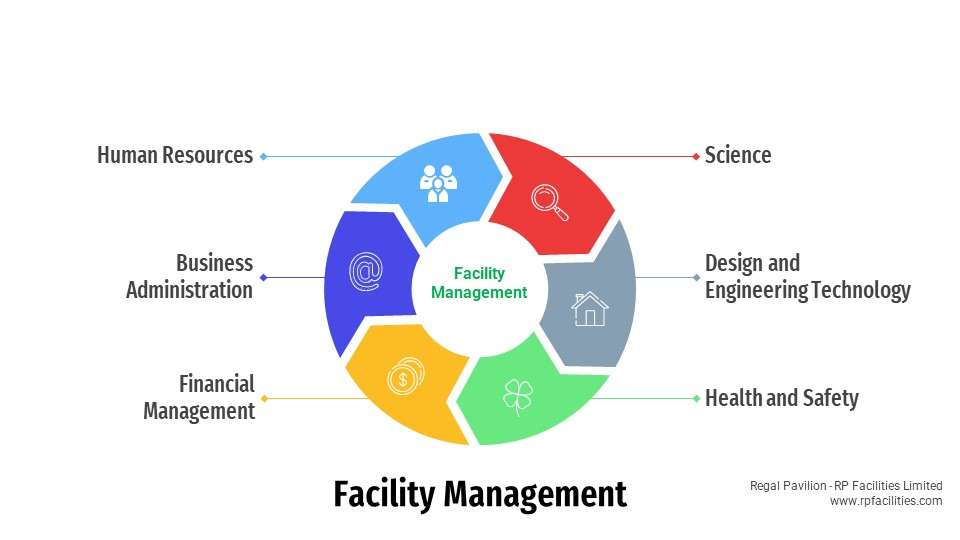
Facilities management plays a crucial role in achieving workplace productivity by creating an environment that supports the well-being and efficiency of employees. Effective facilities management can help to reduce distractions, improve comfort, and increase job satisfaction, all of which are essential for productivity. By ensuring that the physical workspace is well-maintained, safe, and sustainable, facilities management can help to minimize downtime and maximize output.
Optimizing the Physical Workspace
Optimizing the physical workspace is a key aspect of facilities management that can help to achieve workplace productivity. This involves creating a workspace that is ergonomic, comfortable, and well-lit, with adequate ventilation and temperature control. By doing so, facilities management can help to reduce eye strain, back pain, and other health problems that can decrease productivity. Some ways to optimize the physical workspace include:
- Conducting regular maintenance to prevent equipment breakdowns and ensure that all systems are functioning properly
- Implementing energy-efficient lighting and HVAC systems to reduce energy consumption and minimize distractions
- Providing adequate storage and organization systems to keep the workspace clutter-free and organized
Enhancing Employee Well-being
Enhancing employee well-being is another way that facilities management can help to achieve workplace productivity. This involves creating a workspace that supports the physical, emotional, and mental health of employees. By providing access to natural light, fresh air, and healthy food options, facilities management can help to boost mood, energy, and concentration. Some ways to enhance employee well-being include:
- Creating quiet rooms or meditation spaces to provide a peaceful and relaxing environment
- Implementing wellness programs that promote healthy habits and self-care
- Providing access to fitness classes or on-site fitness facilities to encourage physical activity
Supporting Technology and Infrastructure
Supporting technology and infrastructure is a critical aspect of facilities management that can help to achieve workplace productivity. This involves ensuring that the IT infrastructure is reliable, secure, and up-to-date, with fast internet connectivity and adequate bandwidth. By doing so, facilities management can help to minimize downtime, reduce errors, and increase efficiency. Some ways to support technology and infrastructure include:
- Implementing cloud-based systems to provide flexibility and scalability
- Providing regular software updates and cybersecurity measures to prevent data breaches and system failures
- Ensuring adequate power backup and uninterruptible power supply to prevent power outages and equipment damage
Why is facility planning important in operations management?
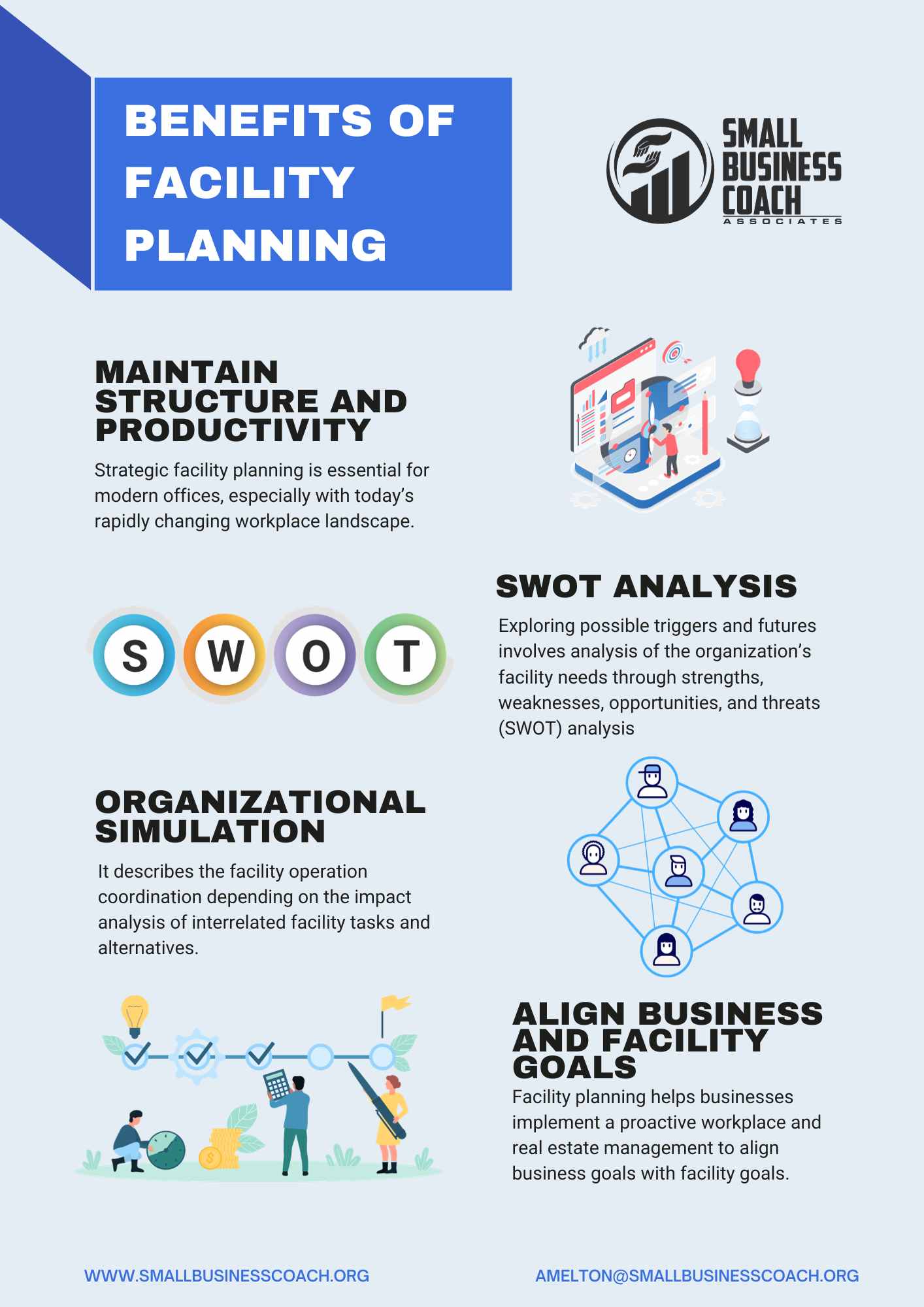
Facility planning is a critical component of operations management as it enables organizations to create a strategic plan for their physical space and equipment. This plan is essential for ensuring that the facility is able to meet the needs of the organization and its customers. Effective facility planning can help to improve efficiency, reduce costs, and increase productivity. It involves analyzing the organization's current and future needs, as well as the layout and design of the facility, to create a plan that supports the organization's goals and objectives.
Strategic Planning and Facility Design
Facility planning is important in operations management because it allows organizations to create a strategic plan for their physical space and equipment. This plan is essential for ensuring that the facility is able to meet the needs of the organization and its customers. Some key considerations in facility planning include:
- Space utilization: making the most efficient use of the available space to minimize waste and inefficiency.
- Equipment layout: designing the layout of equipment and machinery to optimize production and minimize downtime.
- Employee safety: ensuring that the facility is designed with safety features to protect employees from hazards and risks.
Operational Efficiency and Cost Reduction
Facility planning is also important for operational efficiency and cost reduction. A well-planned facility can help to streamline processes, reduce waste, and improve productivity. Some ways that facility planning can improve operational efficiency and reduce costs include:
- Process mapping: analyzing the flow of materials and processes to identify areas for improvement.
- Layout optimization: designing the layout of the facility to minimize transportation costs and maximize efficiency.
- Energy efficiency: incorporating energy-efficient systems and equipment to reduce energy costs and minimize environmental impact.
Aligning Facility Planning with Business Objectives
Facility planning should be aligned with the organization's business objectives to ensure that the facility is supporting the organization's goals and strategies. This involves analyzing the organization's mission, vision, and values to determine the requirements for the facility. Some key considerations in aligning facility planning with business objectives include:
- Business strategy: understanding the organization's business strategy and how the facility can support it.
- Customer needs: analyzing the needs of the organization's customers and how the facility can be designed to meet those needs.
- Competitive advantage: identifying opportunities for the facility to provide a competitive advantage and support the organization's market position.
What is the strategic role of facilities management in business performance?

The strategic role of facilities management in business performance is multifaceted and plays a crucial part in supporting the overall goals and objectives of an organization. It encompasses a wide range of activities, including maintenance, operations, and management of physical spaces, to create an environment that is conducive to productivity, efficiency, and employee satisfaction. Effective facilities management can have a significant impact on business performance, as it can help to reduce costs, improve customer satisfaction, and enhance the overall competitiveness of the organization.
Impact of Facilities Management on Business Operations
Facilities management has a direct impact on business operations, as it is responsible for ensuring that the physical environment is safe, secure, and well-maintained. This includes tasks such as building maintenance, utility management, and waste management, which are essential for maintaining a smooth and efficient operation. Some key aspects of facilities management that impact business operations include:
- Space planning and utilization, which can help to optimize the use of physical space and reduce costs
- Facilities maintenance, which can help to prevent downtime and reduce the risk of equipment failure
- Compliance with regulatory requirements, which can help to minimize the risk of fines and penalties
Role of Facilities Management in Supporting Business Strategy
Facilities management plays a critical role in supporting business strategy, as it can help to drive innovation, productivity, and growth. This includes tasks such as strategic planning, project management, and change management, which are essential for aligning facilities management with the overall business objectives. Some key aspects of facilities management that support business strategy include:
- Alignment with business objectives, which can help to ensure that facilities management is focused on supporting the overall mission and vision of the organization
- Innovation and technology, which can help to drive efficiency and productivity gains
- Sustainability and environmental management, which can help to reduce the environmental impact of the organization and improve its reputation
Measuring the Value of Facilities Management in Business Performance
Measuring the value of facilities management in business performance is essential for understanding its impact on the overall success of the organization. This includes tasks such as benchmarking, performance measurement, and return on investment (ROI) analysis, which can help to quantify the benefits of effective facilities management. Some key aspects of measuring the value of facilities management include:
- Key performance indicators (KPIs), which can help to measure the efficiency and effectiveness of facilities management
- Cost-benefit analysis, which can help to evaluate the cost savings and benefits of facilities management initiatives
- Stakeholder engagement, which can help to ensure that the needs and expectations of stakeholders are met and that the value of facilities management is communicated effectively
More information
What is the role of Facility Management in maintaining Operational Efficiency?
Facility management plays a crucial role in maintaining operational efficiency within an organization. By ensuring that all physical aspects of the workplace are well-maintained and running smoothly, facility managers can help to minimize downtime and maximize productivity. This includes managing everything from HVAC systems and plumbing to electrical systems and waste management. Effective facility management also involves strategic planning and budgeting to ensure that the organization's physical resources are being used in the most efficient and cost-effective way possible. By taking a proactive approach to facility management, organizations can help to prevent equipment failures and other disruptions that can impact business operations.
How does Facility Management impact Workplace Well-being?
Facility management has a significant impact on workplace well-being, as it plays a key role in creating a healthy and safe working environment. This includes ensuring that the workplace is clean and well-maintained, with adequate ventilation and lighting. Facility managers must also ensure that the workplace is accessible and inclusive, with features such as ramps and elevators to accommodate employees with disabilities. Additionally, facility management involves managing noise levels and temperature controls to create a comfortable working environment. By prioritizing workplace well-being, organizations can help to boost employee morale and productivity, while also reducing absenteeism and turnover. Effective facility management can also help to promote a positive and supportive company culture.
What are the benefits of outsourcing Facility Management services?
Outsourcing facility management services can have a number of benefits for organizations. One of the main advantages is that it allows companies to focus on their core business activities, rather than diverting resources to manage their physical facilities. Outsourcing facility management can also help to reduce costs, as it eliminates the need for organizations to invest in equipment and training for in-house facility management staff. Additionally, outsourcing facility management can provide organizations with access to specialized expertise and technology, which can help to improve efficiency and effectiveness. Outsourcing can also help to mitigate risks, such as compliance and regulatory risks, by ensuring that facilities are managed in accordance with relevant laws and regulations. By outsourcing facility management, organizations can help to improve their overall performance and competitiveness.
How can Facility Management contribute to a company's overall success?
Facility management can contribute to a company's overall success in a number of ways. By ensuring that the physical workplace is well-maintained and efficient, facility management can help to boost productivity and employee engagement. This, in turn, can help to drive business growth and revenue. Effective facility management can also help to enhance the company's reputation and brand image, by creating a positive and professional working environment. Additionally, facility management can help to reduce costs and improve sustainability, by implementing energy-efficient and environmentally-friendly practices. By prioritizing facility management, organizations can help to create a competitive advantage and achieve their strategic objectives. By taking a strategic and integrated approach to facility management, companies can help to optimize their operations and achieve long-term success.
Leave a Reply