
Online MBA vs. Traditional MBA: Key Differences?

The world of business education has undergone significant changes with the advent of online learning platforms. Two popular options for aspiring business leaders are Online MBA and Traditional MBA programs. While both offer a Master's degree in Business Administration, there are key differences between them. Online MBA programs provide flexibility and convenience, allowing students to balance work and studies. In contrast, Traditional MBA programs offer a more immersive experience with face-to-face interactions and networking opportunities. Understanding these differences is crucial for making an informed decision about which path to pursue. Each has its own advantages and disadvantages.
Choosing the Right Path: Online MBA vs. Traditional MBA
When considering an MBA, one of the most critical decisions is whether to pursue an online or traditional program. Both paths have their advantages and disadvantages, and understanding these differences is crucial for making an informed decision.
Flexibility and Convenience
One of the primary differences between online and traditional MBA programs is the level of flexibility and convenience they offer. Online programs are designed to accommodate working professionals and individuals with other commitments, allowing them to complete coursework on their own schedule. This flexibility is particularly beneficial for those who cannot attend classes on a full-time basis. In contrast, traditional programs typically require students to attend classes on campus, which can be more challenging for those with work or family obligations.
Interaction and Networking
Another significant difference between online and traditional MBA programs is the level of interaction and networking opportunities. Traditional programs provide students with face-to-face interactions with professors and peers, which can lead to valuable professional connections and mentorship opportunities. Online programs, while still offering opportunities for interaction, may not provide the same level of personal connection as traditional programs.
Curriculum and Specialization
The curriculum and specialization options available in online and traditional MBA programs can also vary. Both types of programs typically offer a range of specializations, such as finance, marketing, and management. However, traditional programs may offer more elective courses and concentration options, allowing students to tailor their education to their specific career goals.
Cost and Financial Aid
The cost and financial aid options available for online and traditional MBA programs can differ significantly. Traditional programs are often more expensive than online programs, particularly when considering the cost of room and board. However, traditional programs may also offer more scholarship and grant opportunities, which can help offset the cost of tuition.
Accreditation and Reputation
Finally, the accreditation and reputation of online and traditional MBA programs are essential considerations. Both types of programs can be accredited by reputable organizations, such as the Association to Advance Collegiate Schools of Business (AACSB). However, traditional programs may have a more established reputation, particularly if they are offered by a well-known university.
| Program Type | Flexibility | Interaction | Curriculum | Cost | Accreditation |
|---|---|---|---|---|---|
| Online MBA | High | Lower | Varies | Lower | AACSB |
| Traditional MBA | Lower | Higher | Varies | Higher | AACSB |
Is an online MBA different than an MBA?
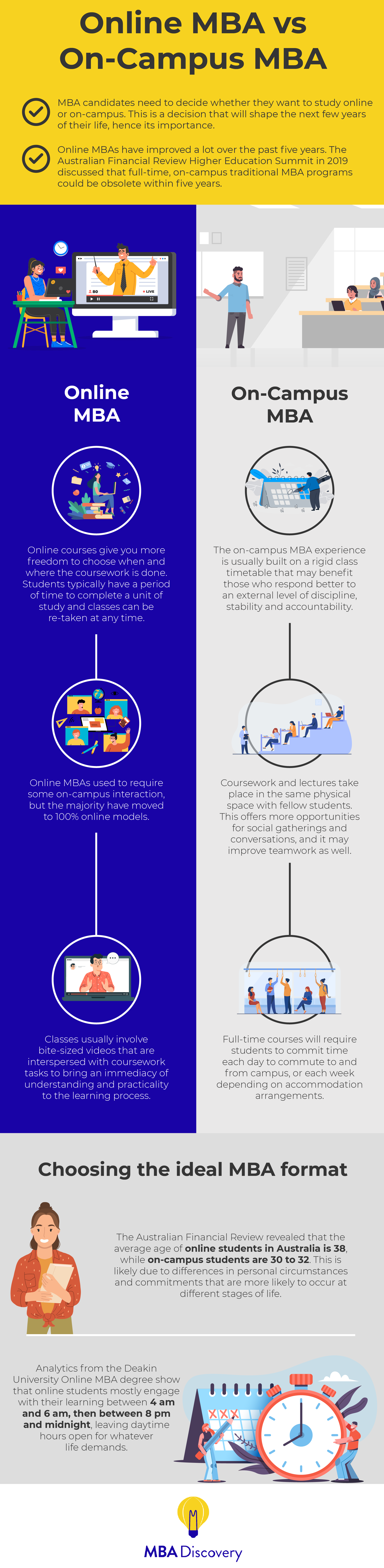
An online MBA is not entirely different from a traditional MBA in terms of the curriculum and the learning objectives. However, the delivery method and the flexibility of the program can vary significantly. Online MBA programs are designed to provide students with the same level of education and training as traditional MBA programs, but with the added convenience of being able to complete coursework from anywhere with an internet connection.
Differences in Program Structure
The structure of an online MBA program can differ from a traditional MBA program in several ways. For example, online programs may offer more flexible scheduling options, allowing students to complete coursework on their own schedule. Additionally, online programs may use digital platforms to deliver coursework, such as video lectures and online discussions. Some key differences in program structure include:
- The use of asynchronous learning platforms, which allow students to complete coursework at their own pace
- The incorporation of live online sessions, which provide students with real-time interaction with instructors and peers
- The use of project-based learning, which allows students to apply theoretical concepts to real-world problems
Similarities in Accreditation and Quality
Despite the differences in delivery method, online MBA programs are often accredited by the same organizations as traditional MBA programs. This ensures that the program meets certain standards of quality and provides students with a rigorous education. In terms of quality, online MBA programs are often equivalent to traditional MBA programs, with many programs offering the same faculty and curriculum. Some key similarities in accreditation and quality include:
- The accreditation process, which ensures that the program meets certain standards of quality
- The use of experienced faculty, who have expertise in their field and can provide students with guidance and support
- The emphasis on practical skills, which prepares students for real-world challenges and career advancement
Benefits of Online MBA Programs
Online MBA programs offer several benefits to students, including greater flexibility and convenience. Students can complete coursework from anywhere with an internet connection, which makes it easier to balance work and family responsibilities. Additionally, online programs can provide students with access to a global network of peers and instructors, which can be beneficial for career advancement and professional development. Some key benefits of online MBA programs include:
- The ability to work from anywhere, which provides students with greater flexibility and autonomy
- The opportunity to connect with a global network, which can provide students with valuable connections and career opportunities
- The use of digital tools and technologies, which can provide students with practical skills and expertise in areas such as data analysis and digital marketing
Is it better to do an MBA in-person or online?
The decision to pursue an MBA in-person or online depends on various factors, including personal preferences, career goals, and lifestyle. Both options have their advantages and disadvantages. In-person MBA programs provide face-to-face interaction with professors and peers, which can foster networking opportunities, collaboration, and a more immersive learning experience. On the other hand, online MBA programs offer flexibility, convenience, and often lower costs, making them more accessible to working professionals or those with family commitments.
Benefits of In-Person MBA Programs
In-person MBA programs provide a more traditional and structured learning environment, which can be beneficial for those who thrive in a campus-based setting. Some benefits of in-person MBA programs include:
- Face-to-face interaction with professors and peers, which can lead to more effective communication and teamwork
- Access to campus resources, such as libraries, career services, and networking events
- Opportunities for experiential learning, such as consulting projects and internships, which can provide hands-on experience and practical skills
Advantages of Online MBA Programs
Online MBA programs, on the other hand, offer a more flexible and self-paced learning experience, which can be beneficial for those with work commitments or family responsibilities. Some advantages of online MBA programs include:
- Flexibility to study from anywhere, at any time, as long as there is an internet connection
- Lower costs, as online programs often waive or reduce campus-based fees
- Access to a global network of peers and professors, which can provide diverse perspectives and international insights
Key Considerations for Choosing Between In-Person and Online MBA Programs
When deciding between in-person and online MBA programs, there are several key considerations to keep in mind. Some of these include:
- Learning style, as some individuals may prefer a more structured and traditional learning environment, while others may thrive in a more flexible and self-paced setting
- Career goals, as certain industries or roles may require or prefer in-person interaction and networking
- Personal circumstances, such as work commitments, family responsibilities, or geographic location, which can impact the feasibility of an in-person or online program
What are the disadvantages of online MBA?
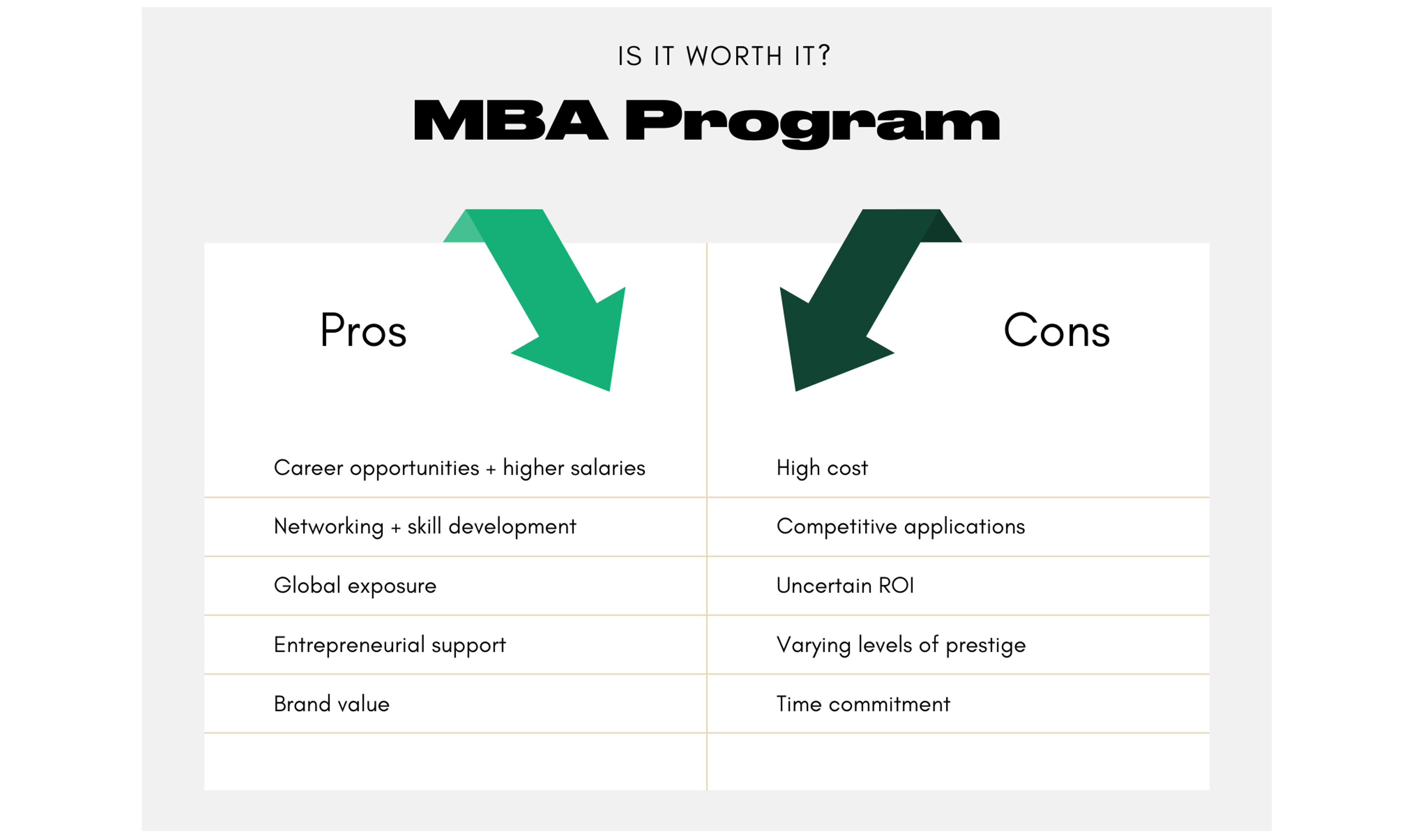
The disadvantages of online MBA programs are numerous and can have a significant impact on a student's learning experience. One of the main drawbacks is the lack of face-to-face interaction with instructors and peers, which can limit opportunities for networking and collaboration. Additionally, online programs often require a high level of self-motivation and discipline, as students must manage their own time and stay on top of assignments without the structure of a traditional classroom.
Technical Issues and Limitations
Online MBA programs can be hindered by technical issues such as poor internet connectivity, outdated software, and inadequate hardware. These issues can cause delays and disruptions in the learning process, making it difficult for students to complete assignments and participate in online discussions. Some of the key technical limitations of online MBA programs include:
- Lack of access to reliable internet connectivity
- Insufficient training on digital tools and platforms
- Inadequate support from technical staff
Lack of Personalization and Feedback
Online MBA programs often lack the personal touch and individualized attention that traditional programs provide. Students may not receive timely feedback on their assignments, and instructors may not be able to tailor their teaching to meet the specific needs of each student. Some of the key limitations of online MBA programs in terms of personalization and feedback include:
- Lack of one-on-one interaction with instructors
- Insufficient opportunities for feedback and assessment
- Difficulty in measuring student progress and understanding
Perception of Online Degrees and Accreditation
Online MBA programs may be perceived as less rigorous or less prestigious than traditional programs, which can impact a student's career prospects and earning potential. Additionally, online programs must be accredited by a recognized accrediting agency to ensure that they meet certain standards of quality. Some of the key concerns related to perception and accreditation include:
- Lack of recognition of online degrees by employers
- Difficulty in verifying the accreditation status of online programs
- Concerns about the quality and relevance of online coursework
Do employers care if your MBA is online?
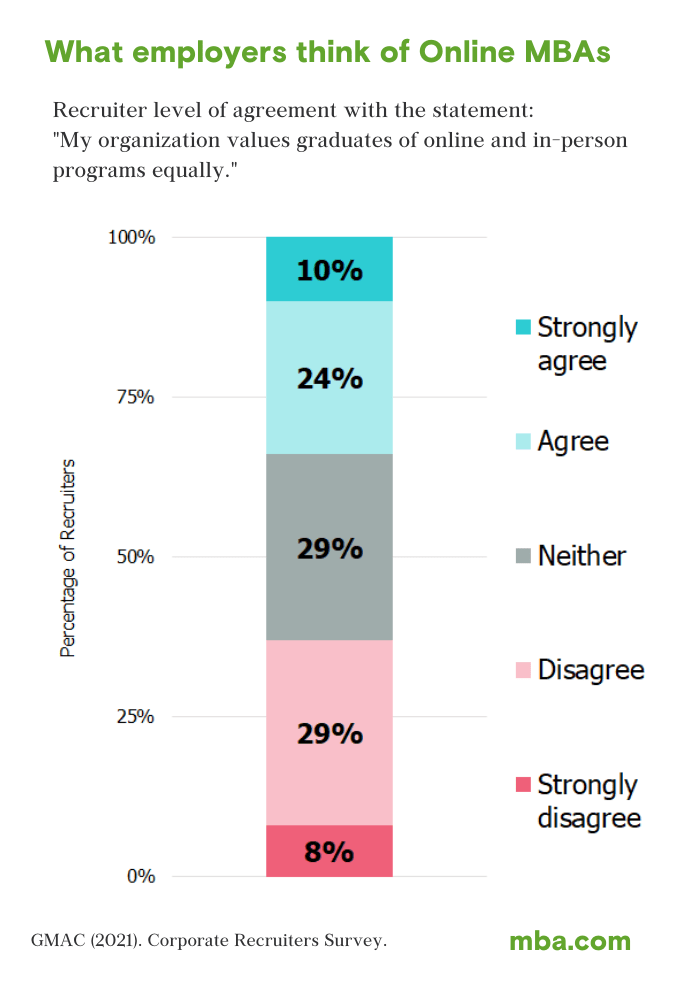
The perception of online MBAs has changed significantly over the years, and many employers now recognize the value of an online MBA degree. However, some employers may still have concerns about the quality and credibility of an online program. It's essential to note that the reputation of the institution offering the online MBA and the accreditation of the program play a significant role in determining the acceptance of the degree by employers.
Perception of Online MBAs
The perception of online MBAs has improved as more top-tier universities have started offering online programs. This shift has helped to increase the credibility of online MBAs, and many employers now view them as equivalent to traditional on-campus programs. Some of the key factors that influence the perception of online MBAs include:
- The reputation of the institution offering the online MBA
- The quality of the curriculum and the faculty involved
- The level of interaction and engagement with peers and instructors
Benefits of Online MBAs
Online MBAs offer several benefits that can be attractive to employers, including the ability to balance work and study, flexibility in terms of scheduling, and the opportunity to network with professionals from diverse backgrounds. Some of the key benefits of online MBAs include:
- Flexibility in terms of scheduling and pace of study
- Accessibility to top-tier programs that may not be available locally
- Cost-effectiveness compared to traditional on-campus programs
What Employers Look for in an Online MBA
When evaluating an online MBA, employers look for strong academic foundations, relevant work experience, and demonstrated leadership and management skills. Some of the key factors that employers consider when evaluating an online MBA include:
- Accreditation from a recognized accrediting agency
- Relevance of the curriculum to the industry or field
- Quality of the faculty and the level of support provided to students
Frequently Asked Questions
What are the main differences between Online MBA and Traditional MBA programs?
The main differences between Online MBA and Traditional MBA programs lie in their delivery methods, flexibility, and learning experiences. Traditional MBA programs are typically offered on-campus, requiring students to attend classes in person, whereas Online MBA programs are delivered through digital platforms, allowing students to access course materials and interact with instructors and peers remotely. This difference in delivery method affects the overall learning environment, with Traditional MBA programs providing more opportunities for face-to-face interactions and networking, while Online MBA programs offer greater flexibility and convenience for working professionals or those with other commitments.
How do Online MBA and Traditional MBA programs differ in terms of curriculum and specializations?
Both Online MBA and Traditional MBA programs typically offer a similar curriculum, covering core business topics such as finance, marketing, operations, and strategy. However, some Online MBA programs may offer more specializations or concentrations in areas like data analytics, digital marketing, or sustainability, which can be completed entirely online. Traditional MBA programs, on the other hand, may offer more elective courses or internship opportunities that allow students to gain practical experience in their chosen field. The faculty and guest speakers may also differ between Online and Traditional MBA programs, with Traditional programs often featuring more industry experts and practitioners.
What are the advantages and disadvantages of pursuing an Online MBA versus a Traditional MBA?
Pursuing an Online MBA offers several advantages, including greater flexibility, lower costs, and the ability to balance work and study. Online MBA programs also provide access to a global network of students and instructors, which can be beneficial for those looking to expand their professional connections. However, Online MBA programs may lack the face-to-face interaction and campus experience that Traditional MBA programs provide. Traditional MBA programs, on the other hand, offer a more immersive learning experience, with opportunities for networking, teamwork, and career development. However, they often require a full-time commitment, which can be a disadvantage for those with work or family obligations.
How do Online MBA and Traditional MBA programs impact career advancement and salary potential?
Both Online MBA and Traditional MBA programs can have a significant impact on career advancement and salary potential. According to various studies, MBA graduates can expect to see an average salary increase of 50-100% after completing their degree. Traditional MBA programs may offer more career support and recruitment opportunities, with many top employers recruiting directly from campus. Online MBA programs, however, can provide more flexibility and convenience for working professionals, allowing them to advance their careers while continuing to work. Ultimately, the impact of an Online or Traditional MBA on career advancement and salary potential depends on individual goals and circumstances, as well as the reputation and accreditation of the program.
Leave a Reply