
Master in Technology Management: Bridge Business and Technology for Innovation

As technology continues to revolutionize industries, organizations are seeking professionals who can bridge the gap between business and technology to drive innovation. A Master in Technology Management degree equips individuals with the skills and knowledge to navigate this intersection, leveraging technical expertise to inform strategic business decisions. By combining coursework in management, technology, and innovation, graduates are poised to lead companies in today's fast-paced digital landscape, fostering a culture of innovation and growth. This degree is ideal for those seeking to merge technical expertise with business acumen. It offers a unique blend of skills.

Master in Technology Management: A Key to Unlocking Innovation
The Master in Technology Management is a graduate degree program that focuses on the intersection of business and technology. This program is designed to equip students with the skills and knowledge needed to manage and lead technological initiatives within organizations. The curriculum typically covers a range of topics, including strategic planning, innovation management, technology entrepreneurship, and data analysis. By combining business and technology, students gain a unique perspective on how to drive innovation and growth within organizations.
Overview of the Master in Technology Management Program
The Master in Technology Management program is typically a one- to two-year graduate degree program that is designed for working professionals and recent graduates. The program is often offered in a part-time or full-time format, allowing students to balance their academic and professional commitments. The curriculum is designed to provide students with a broad understanding of the key concepts and principles of technology management, including technology strategy, innovation management, and entrepreneurship. Students also have the opportunity to specialize in a particular area of interest, such as data science or cybersecurity.
Core Courses in the Master in Technology Management Program
The core courses in the Master in Technology Management program are designed to provide students with a solid foundation in the principles and practices of technology management. Some of the typical core courses include:
| Course | Description |
|---|---|
| Technology Strategy | Examines the role of technology in driving business strategy and innovation |
| Innovation Management | Explores the principles and practices of managing innovation within organizations |
| Data Analysis | Covers the techniques and tools used to analyze and interpret data in a business context |
Career Opportunities for Master in Technology Management Graduates
Graduates of the Master in Technology Management program have a wide range of career opportunities available to them. Some of the typical career paths include technology consultant, innovation manager, data analyst, and product manager. These roles are found in a variety of industries, including finance, healthcare, and technology. The program also provides a strong foundation for those who wish to pursue entrepreneurial ventures or start their own businesses.
Skills and Knowledge Gained through the Master in Technology Management Program
The Master in Technology Management program is designed to equip students with a range of skills and knowledge that are essential for success in today's fast-paced business environment. Some of the key skills and knowledge gained through the program include strategic thinking, problem-solving, communication, and collaboration. Students also gain a deep understanding of the technological trends and innovations that are shaping the business world.
Benefits of Pursuing a Master in Technology Management Degree
Pursuing a Master in Technology Management degree can have a significant impact on one's career and earning potential. Some of the benefits of the program include increased salary potential, career advancement opportunities, and networking opportunities. The program also provides students with the skills and knowledge needed to drive innovation and growth within organizations, making them more attractive to potential employers. Additionally, the program can provide students with the confidence and credibility needed to pursue leadership roles within their organizations.
Is a Master's in Technology Management worth IT?
A Master's in Technology Management can be a valuable investment for individuals looking to advance their careers in the tech industry. This degree program combines business and technical skills, providing students with a comprehensive understanding of how to manage and implement technology solutions in a business setting. With the rapid pace of technological innovation, companies are looking for professionals who can effectively manage and leverage technology to drive growth and innovation.
Benefits of a Master's in Technology Management
A Master's in Technology Management offers numerous benefits, including the development of leadership and management skills, as well as a deep understanding of technological trends and industry best practices. Some of the key advantages of this degree program include:
- Enhanced career opportunities: A Master's in Technology Management can open up new career paths and provide a competitive edge in the job market.
- Improved earning potential: Graduates of this degree program can expect to earn higher salaries than those with only a Bachelor's degree.
- Networking opportunities: Students in this program have the opportunity to connect with industry professionals and build a network of contacts in the tech industry.
Key Skills and Knowledge
A Master's in Technology Management provides students with a broad range of technical and business skills, including project management, data analysis, and strategic planning. Some of the key skills and knowledge areas that students can expect to gain include:
- Technical expertise: Students learn about the latest technologies and trends in the industry, including cloud computing, artificial intelligence, and cybersecurity.
- Business acumen: The program provides students with a solid understanding of business principles, including finance, marketing, and operations.
- Leadership and management: Students develop the leadership and management skills needed to effectively manage and motivate teams in a tech industry setting.
Career Paths and Opportunities
Graduates of a Master's in Technology Management program can pursue a variety of career paths, including IT management, consulting, and entrepreneurship. Some of the key career opportunities and paths that graduates can expect to pursue include:
- IT management: Graduates can work as IT managers, overseeing the implementation and maintenance of technology systems and infrastructure.
- Consulting: Students can work as technology consultants, helping organizations to implement and optimize technology solutions.
- Entrepreneurship: With the technical and business skills gained in the program, graduates can also start their own businesses, developing and marketing new technologies and solutions.
What is business innovation and Technology Management?
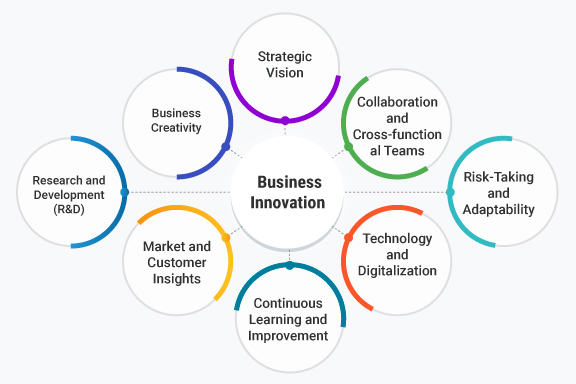
Business innovation and technology management refers to the process of creating and implementing new ideas, products, services, or processes to improve a company's performance and stay ahead of the competition. This involves the use of technology and innovation to drive business growth, improve efficiency, and reduce costs. It requires a deep understanding of the company's strategic goals, market trends, and customer needs to identify opportunities for innovation and implement effective solutions.
Understanding Business Innovation
Business innovation involves the creation of new value for customers, which can be achieved through the development of new products, services, or processes. This requires a culture of innovation within the company, where employees are encouraged to think creatively and come up with new ideas. Some key aspects of business innovation include:
- Ideation: generating new ideas and concepts
- Prototyping: testing and refining new products or services
- Implementation: launching new products or services into the market
Role of Technology in Business Innovation
Technology plays a crucial role in business innovation, as it enables companies to develop new products, services, and processes that can improve their performance and competitiveness. Digital technologies such as artificial intelligence, blockchain, and Internet of Things are increasingly being used to drive innovation in various industries. Some key ways in which technology contributes to business innovation include:
- Automation: automating business processes to improve efficiency and reduce costs
- Data analysis: using data analytics to gain insights into customer behavior and market trends
- Digital transformation: transforming business models and processes to take advantage of digital technologies
Managing Business Innovation and Technology
Managing business innovation and technology requires a strategic approach that aligns with the company's overall business strategy. This involves identifying opportunities for innovation, prioritizing projects, and allocating resources effectively. Some key aspects of managing business innovation and technology include:
- Innovation strategy: developing a clear strategy for innovation that aligns with the company's goals
- Project management: managing innovation projects to ensure they are delivered on time and within budget
- Change management: managing the cultural and organizational changes required to implement new technologies and innovations
What is Technology Management and innovation?
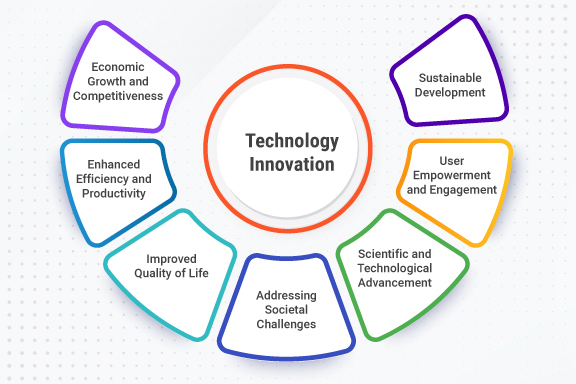
Technology Management and innovation refers to the process of planning, designing, and implementing technological solutions to achieve business objectives and stay competitive in the market. It involves the management of technology resources, including personnel, equipment, and infrastructure, to drive innovation and improve organizational performance. Technology management is a critical function that enables companies to leverage technology to achieve their strategic goals and stay ahead of the competition.
Introduction to Technology Management
Technology management is a multidisciplinary field that combines business, technology, and innovation to drive organizational success. It involves the application of management principles to technology resources to achieve business objectives. Some of the key aspects of technology management include:
- Technology strategy: developing a technology plan that aligns with business objectives
- Technology implementation: deploying and integrating technology solutions
- Technology maintenance: ensuring the ongoing operation and maintenance of technology systems
Role of Innovation in Technology Management
Innovation is a critical component of technology management, as it enables companies to stay competitive and achieve business objectives. Innovation involves the development of new products, services, or processes that create value for customers and drive business growth. Some of the key ways that innovation contributes to technology management include:
- New product development: creating new products or services that meet customer needs
- Process improvement: improving business processes to increase efficiency and reduce costs
- Technology entrepreneurship: leveraging technology to create new business opportunities
Best Practices for Technology Management and Innovation
To achieve success in technology management and innovation, companies must adopt best practices that promote collaboration, creativity, and continuous learning. Some of the key best practices for technology management and innovation include:
- Encouraging a culture of innovation: fostering a culture that supports experimentation and risk-taking
- Developing a technology roadmap: creating a plan that aligns technology investments with business objectives
- Building a strong technology team: hiring and retaining talented technology professionals who can drive innovation and growth
What is a Master's in Technology Management?
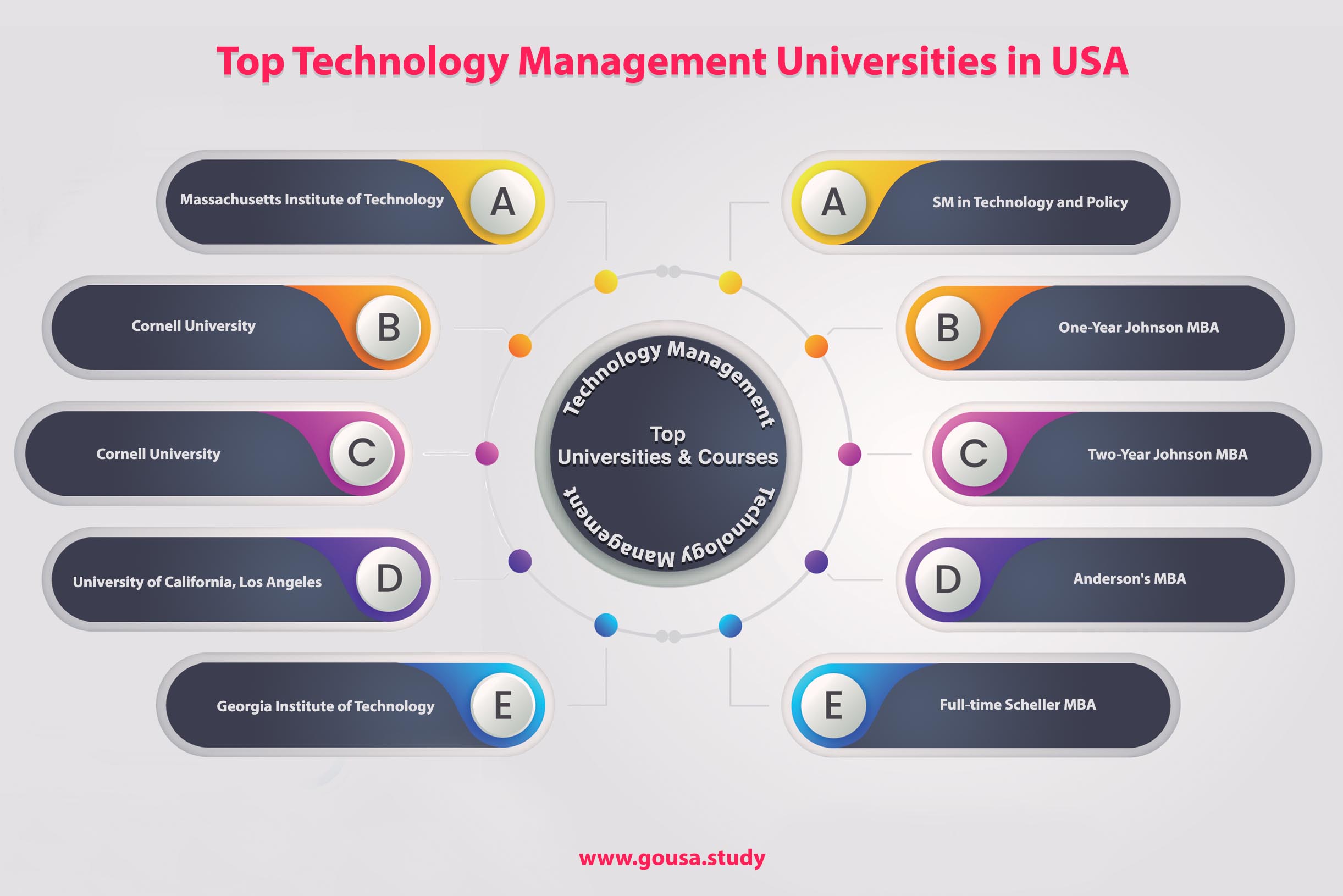
A Master's in Technology Management is a graduate degree that combines business and technology to help individuals develop the skills needed to manage and lead technological initiatives within an organization. This degree program focuses on the intersection of technology, innovation, and management, providing students with a comprehensive understanding of how to leverage technology to drive business success. The program typically covers a range of topics, including strategic management, project management, data analytics, and information systems.
Key Components of a Master's in Technology Management
A Master's in Technology Management program typically includes a combination of coursework, case studies, and practical experiences. The key components of this degree program include:
- Business fundamentals: Students learn about business principles, including finance, accounting, and marketing.
- Technology management: Students study the management of technology, including IT project management, technology strategy, and innovation management.
- Data analysis: Students learn about data analytics and how to use data to inform business decisions and drive technological innovation.
Career Opportunities for Technology Management Graduates
Graduates with a Master's in Technology Management have a wide range of career opportunities available to them. Some potential career paths include:
- Technology manager: Overseeing the development and implementation of technology projects and initiatives.
- Innovation manager: Leading innovation and R&D efforts to develop new products and services.
- Business analyst: Using data analysis and business acumen to inform business decisions and drive technological innovation.
Skills and Knowledge Required for Success in Technology Management
To be successful in a Master's in Technology Management program, students need to possess certain skills and knowledge. These include:
- Strong understanding of business principles: Including finance, accounting, and marketing.
- Technical skills: Such as programming, data analysis, and IT project management.
- Leadership and management skills: Including communication, team management, and strategic planning.
More information
What is the main goal of a Master in Technology Management: Bridge Business and Technology for Innovation?
The primary objective of a Master in Technology Management is to equip students with the necessary skills to bridge the gap between business and technology, enabling them to drive innovation and growth in their organizations. This program focuses on providing students with a deep understanding of the technological and business aspects of management, allowing them to develop strategic plans that leverage technology to achieve competitive advantage. By combining technical knowledge with business acumen, students will be able to make informed decisions that drive digital transformation and foster a culture of innovation within their organizations. The program also emphasizes the development of leadership skills, enabling students to effectively communicate and collaborate with cross-functional teams to achieve common goals.
What skills and knowledge do students acquire in a Master in Technology Management program?
A Master in Technology Management program provides students with a comprehensive set of skills and knowledge that enable them to succeed in today's fast-paced technological landscape. Students acquire a deep understanding of technology trends, including artificial intelligence, data analytics, and cloud computing, as well as business fundamentals, such as finance, marketing, and operations management. They also develop strategic thinking, problem-solving, and communication skills, which are essential for driving innovation and leading cross-functional teams. Additionally, students learn about project management, risk management, and change management, allowing them to effectively manage technical projects and lead organizational change. The program also emphasizes the development of soft skills, such as collaboration, adaptability, and emotional intelligence, which are critical for success in a rapidly changing business environment.
How does a Master in Technology Management program prepare students for the future of work?
A Master in Technology Management program prepares students for the future of work by providing them with the skills and knowledge needed to thrive in a rapidly changing technological landscape. The program focuses on developing future-ready skills, such as digital literacy, data-driven decision making, and innovation management, which are essential for success in a post-digital world. Students learn about the latest technology trends, including blockchain, internet of things, and cybersecurity, and develop a deep understanding of the business implications of these technologies. They also develop strategic thinking and problem-solving skills, which enable them to anticipate and respond to emerging technological trends and disruptions. By combining technical knowledge with business acumen, students are equipped to drive digital transformation and lead organizational change in a rapidly evolving business environment.
What career opportunities are available to graduates of a Master in Technology Management program?
Graduates of a Master in Technology Management program have a wide range of career opportunities available to them, including technology management, innovation leadership, and digital transformation roles. They can work in various industries, such as finance, healthcare, manufacturing, and government, and can pursue roles such as IT project manager, technology consultant, innovation manager, and digital transformation lead. The program also prepares students for leadership roles, such as chief technology officer, chief information officer, and chief digital officer, where they can drive strategic decision making and lead organizational change. Additionally, graduates can pursue entrepreneurial ventures, leveraging their technical knowledge and business acumen to develop innovative solutions and disrupt existing markets. With a Master in Technology Management degree, graduates are equipped to succeed in a rapidly changing business environment and drive innovation and growth in their organizations.
Leave a Reply