
Master in Project Management EAE: Is it the Right Investment? Analysis and Reviews

Pursuing a Master in Project Management from EAE can be a significant career move, but it's essential to assess whether it's the right investment for your professional growth. With numerous options available, it's crucial to weigh the pros and cons of this program. This article delves into the details of EAE's Master in Project Management, analyzing its curriculum, reputation, and reviews from alumni and industry experts to help you make an informed decision about your potential investment. We will examine the program's strengths and weaknesses to determine its value and potential return on investment.

Master in Project Management EAE: A Comprehensive Review
The Master in Project Management EAE is a highly regarded program that aims to equip students with the necessary skills and knowledge to manage complex projects effectively. The program is designed to provide students with a comprehensive understanding of project management principles, including planning, execution, and monitoring. The curriculum is tailored to meet the needs of professionals who want to advance their careers in project management.
Program Overview and Curriculum
The Master in Project Management EAE program is a one-year full-time program that covers a wide range of topics, including project management frameworks, risk! management, and team leadership. The program is divided into several modules, each of which focuses on a specific aspect of project management. The curriculum is designed to be practical and relevant, with a strong emphasis on case studies and real-world examples.
Admission Requirements and Eligibility
To be eligible for the Master in Project Management EAE program, applicants must meet certain admission requirements. These include a bachelor's degree in a related field, a minimum of two years of work experience, and a strong understanding of project management principles. Applicants must also submit a personal statement, letters of recommendation, and official transcripts as part of the application process.
Career Opportunities and Job Prospects
The Master in Project Management EAE program is designed to provide students with the skills and knowledge needed to succeed in a variety of project management roles. Graduates of the program have gone on to work in a range of industries, including construction, IT, and finance. The program's strong reputation and industry connections make it an attractive option for employers looking for skilled project managers.
Cost and Financial Aid
The cost of the Master in Project Management EAE program varies depending on the location and format of the program. The program is offered in several locations, including Spain and Latin America, and is available in both full-time and part-time formats. The program's cost includes tuition fees, living expenses, and other costs. Financial aid is available to eligible students, including scholarships and loans.
Reviews and Testimonials from Alumni
The Master in Project Management EAE program has received positive reviews from alumni, who praise the program's practical approach and experienced instructors. Many alumni have reported significant career advancement after completing the program, including promotions and new job opportunities. The program's strong reputation and industry connections are also cited as major advantages.
| Program | Duration | Location | Tuition Fees |
|---|---|---|---|
| Master in Project Management EAE | 1 year | Spain, Latin America | $20,000 - $30,000 |
Is it worth getting a master's degree in project management?
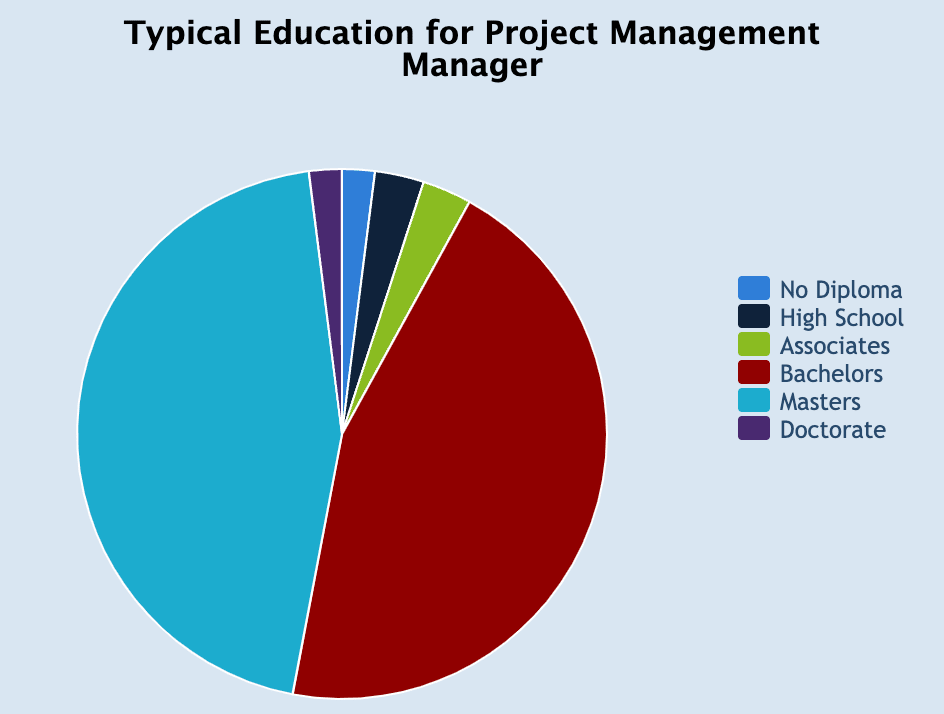
This is a question that many professionals in the field of project management ask themselves. A master's degree in project management can be a significant investment of time and money, but it can also provide numerous benefits for those who are serious about advancing their careers in this field. One of the main advantages of a master's degree in project management is that it provides advanced knowledge and skills in areas such as project planning, risk management, and team leadership. This can be particularly useful for those who are looking to take on more complex and challenging projects, or who want to move into senior or executive roles.
Benefits of a Master's Degree in Project Management
A master's degree in project management can provide numerous benefits, including:
- Improved job prospects: A master's degree can make you a more attractive candidate to potential employers, and can increase your chances of being hired for senior or executive roles.
- Increased earning potential: According to the Project Management Institute, professionals with a master's degree in project management can earn up to 20% more than those without one.
- Advanced knowledge and skills: A master's degree in project management provides specialized knowledge and skills in areas such as project planning, risk management, and team leadership, which can be applied in a variety of industries and contexts.
This can be particularly useful for those who are looking to take on more complex and challenging projects, or who want to move into senior or executive roles.
Key Skills and Knowledge Areas
A master's degree in project management typically covers a range of key skills and knowledge areas, including:
- Project planning and management: This includes defining project scope, developing project schedules, and estimating project costs.
- Risk management: This includes identifying potential risks, assessing risk likelihood and impact, and developing risk mitigation strategies.
- Team leadership and communication: This includes building and managing high-performing teams, communicating effectively with stakeholders, and managing conflict and negotiation.
These skills and knowledge areas are essential for successful project management, and can be applied in a variety of industries and contexts.
Career Paths and Opportunities
A master's degree in project management can open up a range of career paths and opportunities, including:
- Senior project manager: This role involves leading complex projects, managing teams, and coordinating with stakeholders.
- Program manager: This role involves overseeing multiple projects, developing strategic plans, and managing resources.
- Portfolio manager: This role involves managing a portfolio of projects, developing business cases, and making strategic decisions.
These roles require strong leadership skills, strategic thinking, and advanced knowledge of project management principles and practices.
How good is eae business school?

EAE Business School is a well-established institution with a strong reputation for providing high-quality education in the field of business. The school offers a range of programs, including MBA, Master's, and Executive Education courses, designed to meet the needs of professionals and organizations. With a focus on innovation, entrepreneurship, and sustainability, EAE Business School aims to equip students with the skills and knowledge required to succeed in today's fast-paced business environment.
Academic Programs and Specializations
EAE Business School offers a variety of academic programs and specializations, allowing students to choose the path that best suits their career goals. Some of the key features of the school's programs include:
- Internationalization: EAE Business School has a strong international focus, with programs and partnerships that provide students with a global perspective.
- Practical experience: The school's programs are designed to provide students with hands-on experience, through internships, projects, and other practical activities.
- Flexibility: EAE Business School offers flexible program formats, including online and part-time options, to accommodate the needs of working professionals.
Faculty and Research
The faculty at EAE Business School is composed of experienced professionals and renowned academics, who bring a wealth of knowledge and expertise to the classroom. The school's research focus is on applied research, with a emphasis on innovation and entrepreneurship. Some of the key areas of research include:
- Business innovation: EAE Business School's research in this area focuses on the development of new business models, products, and services.
- Sustainability: The school's research in sustainability explores the social, environmental, and economic implications of business practices.
- Digital transformation: EAE Business School's research in this area examines the impact of digital technologies on business and society.
Alumni Network and Career Opportunities
EAE Business School has a strong alumni network, with over 60,000 graduates worldwide. The school's career services provide students with access to a range of job opportunities, including internships, job placements, and entrepreneurial ventures. Some of the key benefits of the school's alumni network include:
- Professional connections: EAE Business School's alumni network provides students with valuable connections in the business world.
- Career support: The school's career services offer students personalized support and guidance in their career development.
- Entrepreneurial opportunities: EAE Business School's alumni network provides students with access to entrepreneurial opportunities, including start-up funding and mentoring.
Is eae business school accredited?

EAE Business School is accredited by several reputable organizations, including the Association to Advance Collegiate Schools of Business (AACSB), the European Quality Improvement System (EQUIS), and the Association of MBAs (AMBA). These accreditations demonstrate the school's commitment to providing high-quality education and ensuring that its programs meet the highest standards of excellence.
Accreditation Process
The accreditation process for EAE Business School involves a rigorous evaluation of its programs, faculty, and facilities. The school must demonstrate its ability to provide students with a well-rounded education that prepares them for success in their chosen fields. The accreditation process typically involves a self-assessment report, a peer review, and a site visit by the accrediting agency. Some of the key factors that are evaluated during the accreditation process include:
- The curriculum and its relevance to the needs of the business community
- The qualifications and experience of the faculty members
- The resources and facilities available to support student learning
Benefits of Accreditation
The accreditation of EAE Business School provides several benefits to students, including the assurance of a high-quality education and the opportunity to earn a recognized and respected degree. Accreditation also demonstrates the school's commitment to continuous improvement and its dedication to providing students with the skills and knowledge they need to succeed in their chosen careers. Some of the other benefits of accreditation include:
- Increased job prospects and higher salary potential
- Access to a global network of alumni and business professionals
- Opportunities for advancement and career development
International Recognition
EAE Business School's accreditation is recognized internationally, providing students with a globally recognized degree that is valued by employers and academic institutions around the world. The school's accreditation by AACSB, EQUIS, and AMBA demonstrates its commitment to providing a world-class education that meets the highest standards of excellence. Some of the key factors that contribute to the school's international recognition include:
- The diversity of its student body and faculty
- The quality of its research and teaching
- The strength of its industry connections and partnerships
What to do with a master's in project management?
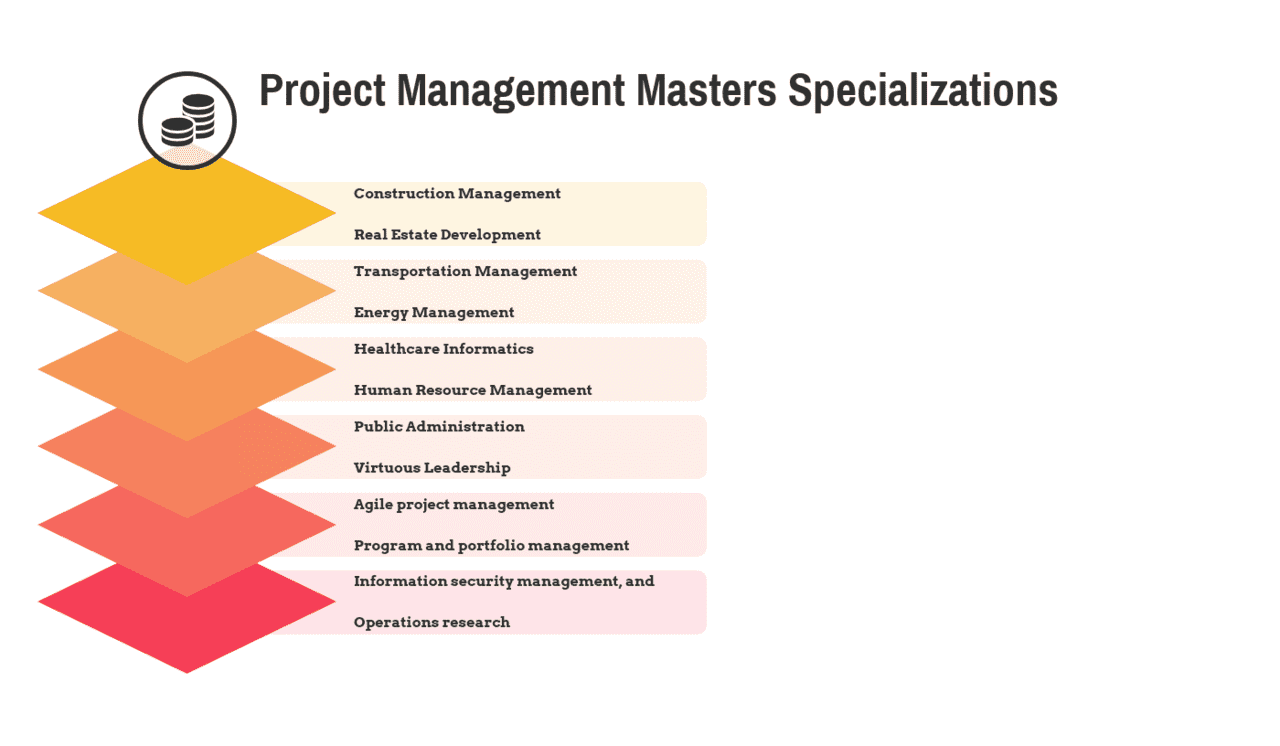
With a master's in project management, you have a wide range of career opportunities available to you. A master's degree in project management provides you with the skills and knowledge to plan, organize, and manage projects in a variety of industries. You will have the ability to work in leadership roles, overseeing projects from start to finish, and ensuring that they are completed on time, within budget, and to the required quality standards. Your degree will also provide you with a strong foundation in business principles, including finance, marketing, and human resources, which will serve you well in your future career.
Career Opportunities in Project Management
A master's in project management opens up a variety of career opportunities, including project manager, program manager, and portfolio manager. These roles involve overseeing projects, programs, and portfolios, and ensuring that they are aligned with the organization's strategic objectives. Some of the key responsibilities of these roles include:
- Developing and implementing project plans and schedules
- Managing project budgets and resources
- Coordinating and leading project teams
You will also have the opportunity to work in a variety of industries, including construction, IT, and finance, and to work with different types of projects, such as agile projects and traditional projects.
Skills and Knowledge Required for Project Management
To be successful in a project management role, you will need to have a range of skills and knowledge, including communication skills, leadership skills, and problem-solving skills. You will also need to have a strong understanding of project management methodologies, such as Agile and Waterfall, and project management tools, such as Asana and Trello. Some of the key skills and knowledge required for project management include:
- Strong understanding of project management principles and practices
- Ability to communicate effectively with stakeholders
- Ability to lead and manage project teams
You will also need to be able to analyze data and make informed decisions, and to be able to adapt to changing project requirements and circumstances.
Professional Certifications and Continuing Education
In addition to your master's degree, you may also want to consider obtaining a professional certification in project management, such as the PMP or PRINCE2. These certifications demonstrate your expertise and knowledge in project management, and can help to advance your career. You will also need to commit to continuing education, to stay up-to-date with the latest trends and best practices in project management. Some of the key benefits of professional certifications and continuing education include:
- Increased earning potential
- Improved job prospects
- Enhanced skills and knowledge
You will also need to be able to network with other professionals in the field, and to be able to stay current with the latest research and developments in project management.
More information
What are the Key Benefits of Pursuing a Master in Project Management from EAE?
Pursuing a Master in Project Management from EAE can have numerous benefits for individuals looking to advance their careers in this field. The program is designed to provide students with a comprehensive understanding of project planning, risk management, and team leadership, which are essential skills for any project manager. The curriculum is tailored to meet the demands of the industry, and the faculty comprises experienced professionals who have a deep understanding of the business world. By enrolling in this program, students can gain the knowledge and skills necessary to succeed in their careers and become certified project managers. Additionally, the program offers a unique opportunity for students to network with peers and professionals in the field, which can lead to valuable connections and job opportunities.
How Does the Master in Project Management from EAE Prepare Students for the Real World?
The Master in Project Management from EAE is designed to prepare students for the real world by providing them with a combination of theoretical and practical training. The program includes case studies, group projects, and simulations that mimic real-world scenarios, allowing students to apply their knowledge and skills in a practical setting. The curriculum is constantly updated to reflect the latest trends and best practices in the industry, ensuring that students are equipped with the tools and techniques needed to succeed in their careers. Furthermore, the program offers internships and consulting projects that provide students with hands-on experience and the opportunity to work with real clients. By the time students graduate, they are well-prepared to take on leadership roles and manage complex projects in a variety of industries.
What are the Career Opportunities Available to Graduates of the Master in Project Management from EAE?
Graduates of the Master in Project Management from EAE have a wide range of career opportunities available to them. The program is designed to prepare students for leadership roles in a variety of industries, including construction, information technology, and finance. Many graduates go on to work as project managers, program managers, or portfolio managers, while others pursue careers in consulting or entrepreneurship. The program's strong reputation and accreditation also make it easier for graduates to secure jobs with top employers. Additionally, the networking opportunities provided by the program can lead to valuable connections and job leads. With the skills and knowledge gained through the program, graduates are well-equipped to succeed in their careers and achieve their professional goals.
Is the Master in Project Management from EAE a Good Investment for My Career and Future?
The Master in Project Management from EAE can be a good investment for individuals looking to advance their careers and increase their earning potential. The program is designed to provide students with the skills and knowledge needed to succeed in their careers, and the return on investment can be significant. According to studies, individuals with a Master's degree in Project Management can earn up to 20% more than those without a degree. Additionally, the program's strong reputation and accreditation can make it easier for graduates to secure jobs with top employers. While the cost of the program may seem high, the long-term benefits and career opportunities make it a worthwhile investment for individuals who are serious about advancing their careers in project management. By enrolling in the program, individuals can gain the tools and techniques needed to succeed in their careers and achieve their professional goals.