
Master in Operations Management: Optimize Processes and Achieve Operational Excellence

In today's fast-paced business environment, effective operations management is crucial for organizational success. A Master in Operations Management equips professionals with the skills to optimize processes, streamline workflows, and drive operational excellence. This advanced degree program focuses on the strategic planning, design, and improvement of business processes, enabling graduates to make informed decisions and drive sustainable growth. By mastering operations management, individuals can enhance their career prospects and contribute to the success of their organizations in an increasingly competitive global market. This degree offers a comprehensive approach to achieving operational efficiency.

Master in Operations Management: Optimize Processes and Achieve Operational Excellence
The Master in Operations Management is a postgraduate degree that focuses on the effective management of business operations to achieve operational excellence. This degree program is designed to equip students with the skills and knowledge required to analyze, design, and improve business processes, as well as manage supply chains, logistics, and quality control. The program covers a wide range of topics, including operations strategy, process improvement, supply chain management, and project management.
Introduction to Operations Management
Operations management is a critical aspect of business management that involves the planning, organization, and supervision of production, manufacturing, or service delivery. It is concerned with the management of resources, such as labor, materials, and equipment, to produce goods or services that meet customer needs. The goal of operations management is to create a competitive advantage by providing high-quality products or services at a lower cost and with greater efficiency.
Key Concepts in Operations Management
Some key concepts in operations management include capacity planning, inventory control, scheduling, and quality control. Capacity planning involves determining the optimal level of production or service delivery to meet customer demand. Inventory control involves managing the flow of goods or materials into and out of the organization. Scheduling involves allocating resources to specific tasks or projects, and quality control involves ensuring that products or services meet customer requirements.
Benefits of a Master in Operations Management
A Master in Operations Management can provide numerous benefits, including career advancement, increased salary, and improved job prospects. The program can also provide students with a deeper understanding of business operations and the skills required to analyze and improve business processes. Additionally, the program can provide students with a network of professional contacts and industry connections that can be beneficial in their future careers.
Career Opportunities in Operations Management
There are many career opportunities available to graduates of a Master in Operations Management program, including operations manager, supply chain manager, quality control manager, and project manager. These roles can be found in a variety of industries, including manufacturing, healthcare, finance, and technology. The skills and knowledge acquired through the program can also be applied to consulting and entrepreneurship.
Course Curriculum and Structure
The course curriculum and structure of a Master in Operations Management program can vary depending on the institution and location. However, most programs include a combination of core courses, elective courses, and specialized courses. Core courses may include operations strategy, process improvement, and supply chain management, while elective courses may include project management, quality control, and logistics. Specialized courses may include industry-specific topics, such as healthcare operations or financial operations.
| Course | Description |
|---|---|
| Operations Strategy | Analysis of business operations and development of strategies to improve efficiency and effectiveness |
| Process Improvement | Techniques and tools for analyzing and improving business processes |
| Supply Chain Management | Management of the flow of goods, services, and information from raw materials to end customers |
| Project Management | Planning, organization, and supervision of projects from initiation to completion |
| Quality Control | Techniques and tools for ensuring that products or services meet customer requirements |
Is a master's in operations management worth it?

This question is often debated among professionals and students considering a graduate degree in operations management. A master's in operations management can provide individuals with advanced knowledge and skills in supply chain management, logistics, and quality control, which are essential for managing and improving organizational processes. With a master's degree, individuals can expect to gain a deeper understanding of operational strategies, performance metrics, and process improvement techniques, making them more competitive in the job market.
Benefits of a Master's in Operations Management
A master's in operations management offers numerous benefits, including enhanced career opportunities, increased earning potential, and improved skills in data analysis and problem-solving. Some of the key benefits of a master's in operations management include:
- Advanced knowledge of operations research and management science
- Improved understanding of global supply chain management and international logistics
- Enhanced skills in project management, quality control, and risk management
Career Opportunities in Operations Management
A master's in operations management can lead to various career opportunities in consulting, manufacturing, finance, and healthcare. Some of the potential career paths for individuals with a master's in operations management include:
- Operations manager: responsible for overseeing daily operations and managing supply chains
- Logistics manager: responsible for coordinating transportation, warehousing, and inventory management
- Quality control manager: responsible for ensuring product quality, safety, and compliance with regulatory standards
Skills and Knowledge Required for Operations Management
A master's in operations management requires individuals to possess a range of technical, business, and soft skills, including communication, teamwork, and problem-solving. Some of the key skills and knowledge required for operations management include:
- Analytical skills: ability to collect and analyze data, identify trends, and make informed decisions
- Leadership skills: ability to motivate, lead, and manage teams and stakeholders
- Strategic thinking: ability to develop and implement strategic plans, improve processes, and drive innovation
What is the difference between operations management and operational excellence?
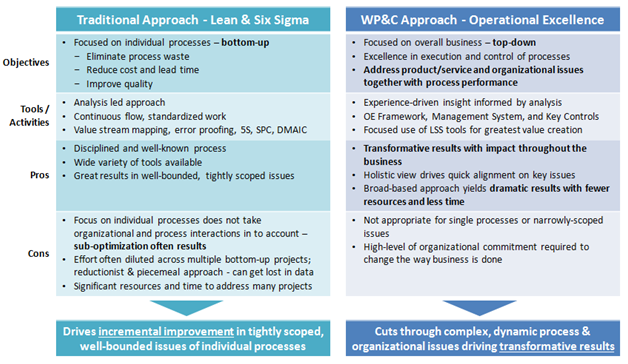
The difference between operations management and operational excellence lies in their focus and scope. Operations management refers to the administration of business practices to maximize efficiency and productivity, while operational excellence is a management philosophy that focuses on achieving sustained excellence in business operations.
Definition and Scope
Operations management is concerned with the day-to-day activities of an organization, such as managing supply chains, inventory, and quality control. In contrast, operational excellence is a broader concept that encompasses a long-term approach to achieving excellence in all aspects of business operations. Key aspects of operational excellence include:
- Continuous improvement of processes and systems
- Focus on customer satisfaction and value creation
- Development of a culture of excellence within the organization
Key Components
Operational excellence is built on several key components, including leadership commitment, employee engagement, and a focus on continuous learning and improvement. In contrast, operations management is more focused on the tactical aspects of managing business operations, such as managing inventory levels and supply chain logistics. Key components of operational excellence include:
- Establishing clear goals and objectives
- Developing a performance measurement system
- Fostering a culture of innovation and experimentation
Implementation and Benefits
Implementing operational excellence requires a fundamental transformation of an organization's culture and practices. It involves aligning all aspects of the organization, including strategy, processes, and people, to achieve sustained excellence. Benefits of operational excellence include:
- Improved productivity and efficiency
- Increased customer satisfaction and loyalty
- Enhanced competitiveness and market share
What is a master's degree in operations management?
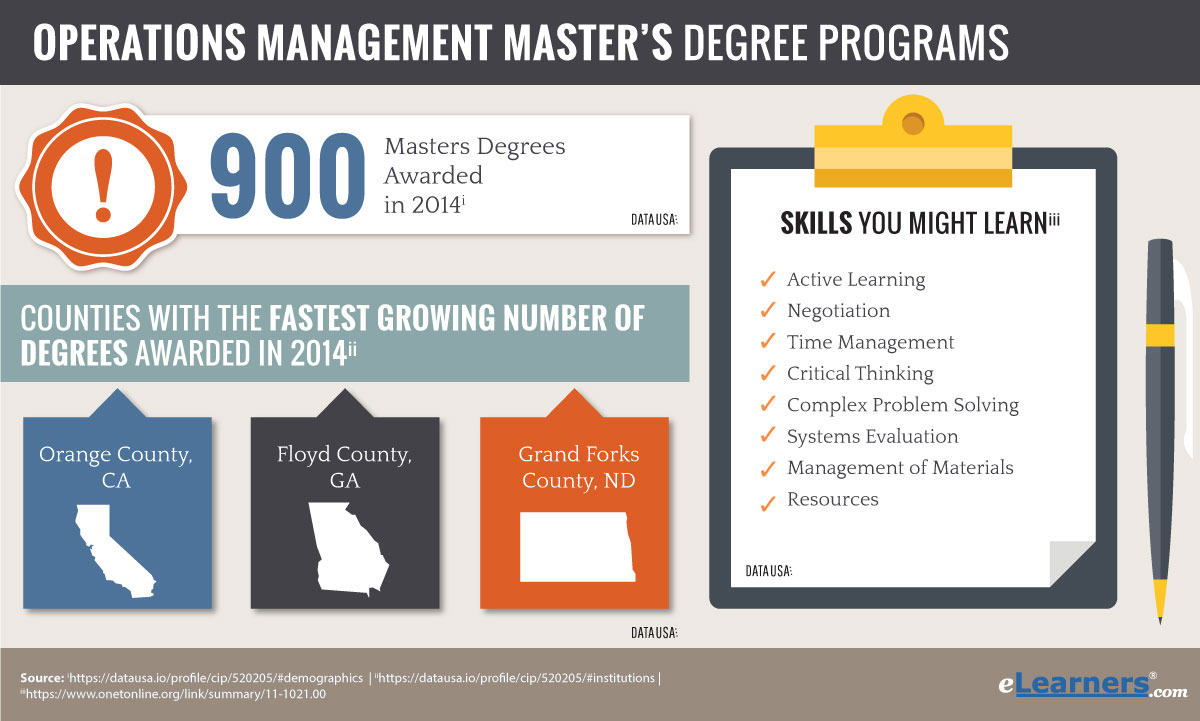
A master's degree in operations management is a postgraduate degree that focuses on the effective management of business operations, including the production of goods and services, supply chain management, and quality control. This degree program is designed to equip students with the knowledge and skills needed to analyze, design, and improve business processes, as well as manage and optimize resources. The program typically covers topics such as operations research, statistics, and management science, and may include specializations in areas like supply chain management, logistics, and quality management.
Course Curriculum
The course curriculum for a master's degree in operations management typically includes a combination of core and elective courses. The core courses may cover topics such as operations management, management science, and statistics, while elective courses may include supply chain management, logistics, and quality management. Some of the key topics that may be covered in the program include:
- Operations strategy: This involves the development and implementation of strategies to improve business operations and achieve organizational goals.
- Supply chain management: This involves the management of the flow of goods, services, and information from raw materials to end customers, with the goal of reducing costs and improving efficiency.
- Quality management: This involves the development and implementation of systems to ensure quality and reliability in business operations, including total quality management and six sigma.
Career Opportunities
A master's degree in operations management can lead to a variety of career opportunities in fields such as consulting, manufacturing, logistics, and supply chain management. Some of the key career opportunities that may be available to graduates include:
- Operations manager: This involves overseeing the day-to-day operations of a business or organization, including supply chain management, inventory control, and quality assurance.
- Supply chain manager: This involves managing the flow of goods, services, and information from raw materials to end customers, with the goal of reducing costs and improving efficiency.
- Management consultant: This involves working with businesses and organizations to analyze and improve their operations, including strategy development, process improvement, and change management.
Skills and Knowledge
A master's degree in operations management is designed to equip students with a range of skills and knowledge that are relevant to business operations, including:
- Analytical skills: This involves the ability to analyze and interpret data, including statistical analysis and operations research.
- Problem-solving skills: This involves the ability to identify and solve problems, including root cause analysis and solution development.
- Communication skills: This involves the ability to communicate effectively with stakeholders, including presentation skills, report writing, and interpersonal skills.
More information
What is the main goal of a Master in Operations Management program?
The main goal of a Master in Operations Management program is to equip students with the knowledge and skills necessary to optimize business processes and achieve operational excellence. This is achieved through a combination of theoretical and practical learning, covering topics such as supply chain management, quality control, and project management. By understanding how to analyze and improve business processes, graduates of this program can help organizations increase efficiency, reduce costs, and improve customer satisfaction. The program also focuses on developing leadership and strategic thinking skills, enabling students to make informed decisions and drive business growth.
What are the key skills and knowledge areas covered in a Master in Operations Management program?
A Master in Operations Management program covers a wide range of skills and knowledge areas, including operations strategy, process improvement, and performance measurement. Students learn how to analyze and optimize business processes, using tools and techniques such as lean management and six sigma. The program also covers supply chain management, including procurement, inventory management, and logistics. Additionally, students learn about quality management and risk management, as well as project management and leadership. By acquiring these skills and knowledge areas, graduates can drive business improvement and achieve operational excellence in a variety of industries.
How can a Master in Operations Management degree benefit my career?
A Master in Operations Management degree can benefit your career in several ways. Firstly, it can help you develop advanced skills and knowledge in operations management, making you a more competitive candidate in the job market. Secondly, it can enhance your career prospects, opening up opportunities for leadership and management roles in a variety of industries. Thirdly, it can help you network with other professionals and experts in the field, providing valuable connections and insights. Finally, it can help you achieve operational excellence and drive business growth, making you a valuable asset to any organization. By acquiring a Master in Operations Management degree, you can accelerate your career and achieve your professional goals.
What kind of jobs and industries can I pursue with a Master in Operations Management degree?
With a Master in Operations Management degree, you can pursue a wide range of jobs and industries, including consulting, manufacturing, healthcare, and finance. You can work as an operations manager, supply chain manager, or project manager, or take on leadership roles such as director of operations or vice president of operations. You can also work in quality management, risk management, or business development, applying your skills and knowledge to drive business improvement and achieve operational excellence. Additionally, you can work in government, non-profit, or private sectors, using your skills to analyze and optimize business processes and achieve strategic goals. The job opportunities are diverse and exciting, and with a Master in Operations Management degree, you can pursue a rewarding and challenging career.
Leave a Reply