
Master in International Business Management: Thrive in Global Markets and Cross-Cultural Business
In today's interconnected world, businesses are increasingly expanding beyond borders, creating a high demand for professionals with expertise in international business management. A Master's degree in this field equips individuals with the knowledge and skills to navigate complex global markets, manage cross-cultural teams, and develop successful business strategies. This program combines theoretical foundations with practical applications, enabling graduates to thrive in a rapidly changing international business landscape and take on leadership roles in multinational corporations, startups, or other organizations operating globally. It fosters a deep understanding of global markets and cross-cultural business practices.

Unlocking Global Opportunities with a Master in International Business Management
A Master in International Business Management is a postgraduate degree that equips students with the knowledge, skills, and expertise required to succeed in the global business arena. This degree program focuses on the complexities of international business, including global marketing, finance, logistics, and cross-cultural management. Students who pursue this degree will gain a deep understanding of the global market trends, economic systems, and cultural differences that shape international business.
Understanding Global Market Trends and Economic Systems
To thrive in global markets, it is essential to understand the trends and economic systems that drive international trade. A Master in International Business Management program will cover topics such as globalization, international trade, and economic development. Students will analyze case studies and real-world examples to grasp the complexities of global market trends and economic systems. This knowledge will enable them to make informed decisions and develop effective strategies for international business expansion.
Developing Cross-Cultural Management Skills
Effective cross-cultural management is critical for success in international business. A Master in International Business Management program will help students develop the skills required to manage and lead diverse teams, communicate effectively across cultures, and navigate cultural differences. Students will learn about cultural intelligence, diversity management, and global leadership. These skills are essential for building strong relationships with international partners, customers, and employees.
Building Global Networks and Partnerships
Building global networks and partnerships is vital for international business success. A Master in International Business Management program will provide students with opportunities to connect with international business leaders, entrepreneurs, and professionals. Students will learn about global networking, partnership development, and international business collaboration. These skills will enable them to establish and maintain strong relationships with international partners, suppliers, and customers.
Managing Global Supply Chains and Logistics
Global supply chains and logistics are critical components of international business. A Master in International Business Management program will cover topics such as global supply chain management, logistics, and international transportation. Students will analyze case studies and real-world examples to understand the complexities of global supply chains and logistics. This knowledge will enable them to develop effective strategies for managing global supply chains and logistics.
Applying International Business Concepts to Real-World Scenarios
A Master in International Business Management program will provide students with opportunities to apply international business concepts to real-world scenarios. Students will work on case studies, group projects, and consulting projects that simulate real-world international business challenges. This hands-on experience will enable students to develop practical skills and apply theoretical knowledge to real-world scenarios. The following table highlights the key aspects of a Master in International Business Management program:
| Topic | Description |
|---|---|
| Global Market Trends | Understanding global market trends and economic systems |
| Cross-Cultural Management | Developing skills for managing and leading diverse teams |
| Global Networking | Building global networks and partnerships |
| Global Supply Chain Management | Managing global supply chains and logistics |
| International Business Applications | Applying international business concepts to real-world scenarios |
What is cross cultural management in international business?
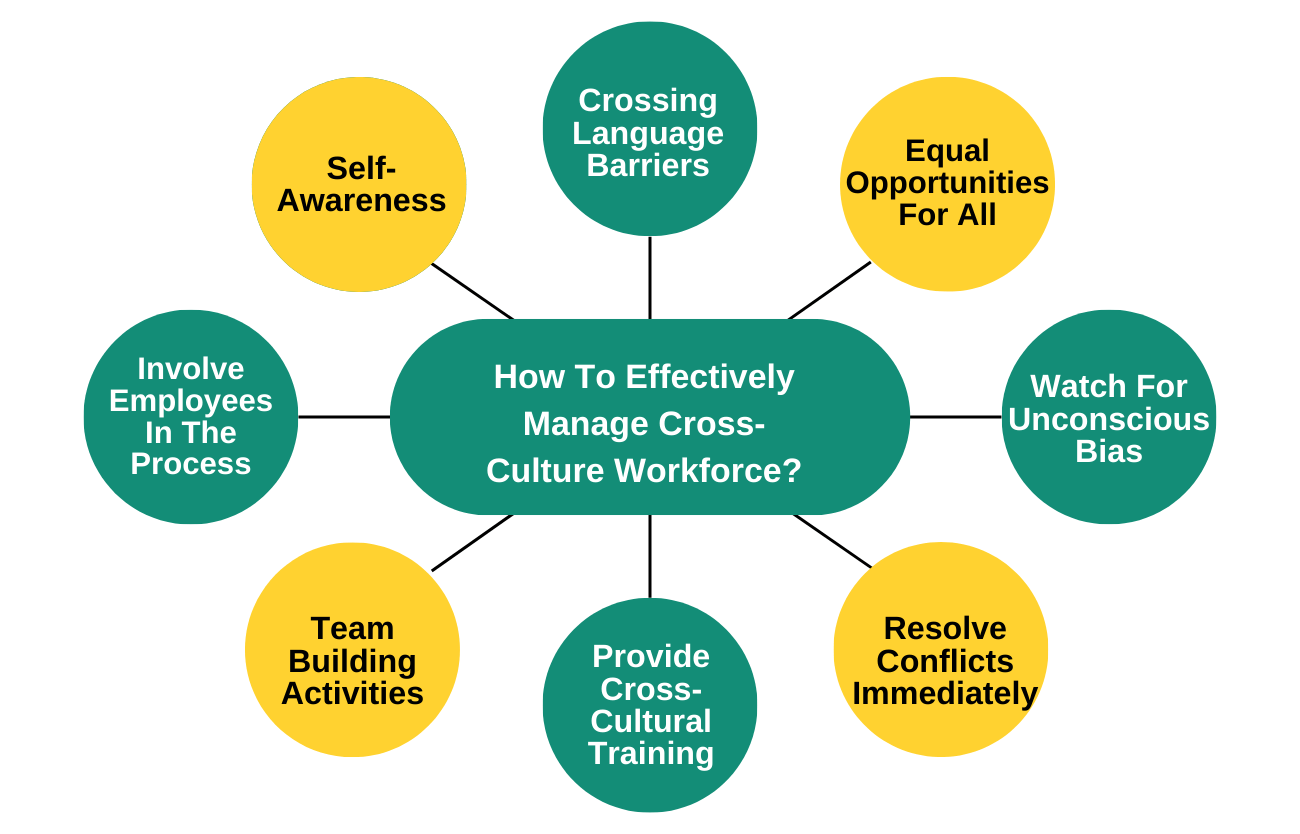
Cross-cultural management in international business refers to the practice of managing and working with people from different cultural backgrounds, nationalities, and ethnicities. This involves understanding and adapting to the cultural differences, norms, and values of various countries and regions. Effective cross-cultural management is crucial for international businesses to succeed in a globalized market, as it enables them to navigate diverse cultural landscapes, build strong relationships with local partners and customers, and overcome cultural barriers that can hinder business operations.
Cultural Intelligence in Cross-Cultural Management
Cultural intelligence is a critical component of cross-cultural management, as it enables individuals to understand and navigate different cultural contexts. This involves developing self-awareness, open-mindedness, and adaptability to effectively interact with people from diverse cultural backgrounds. Some key aspects of cultural intelligence include:
- Understanding cultural nuances and nonverbal cues to avoid misunderstandings and miscommunications
- Developing language skills to communicate effectively with people from different linguistic backgrounds
- Building relationships and trust with local partners and customers to establish a strong business foundation
Challenges of Cross-Cultural Management
Cross-cultural management poses several challenges, including cultural barriers, language differences, and variations in business practices. These challenges can lead to miscommunication, conflicts, and ineffective decision-making if not addressed properly. To overcome these challenges, international businesses must:
- Conduct thorough market research to understand local cultural norms and business practices
- Develop culturally sensitive marketing and communication strategies to reach local customers
- Provide cross-cultural training to employees to enhance their cultural intelligence and adaptability
Best Practices for Effective Cross-Cultural Management
To achieve success in cross-cultural management, international businesses should adopt flexible and adaptive approaches to managing cultural differences. Some best practices include:
- Embracing diversity and inclusion to create a multicultural work environment that values different perspectives and experiences
- Establishing clear communication channels to facilitate open dialogue and feedback across cultural boundaries
- Fostering collaboration and partnerships with local businesses and organizations to leverage local knowledge and expertise
Is Master in international business worth it?
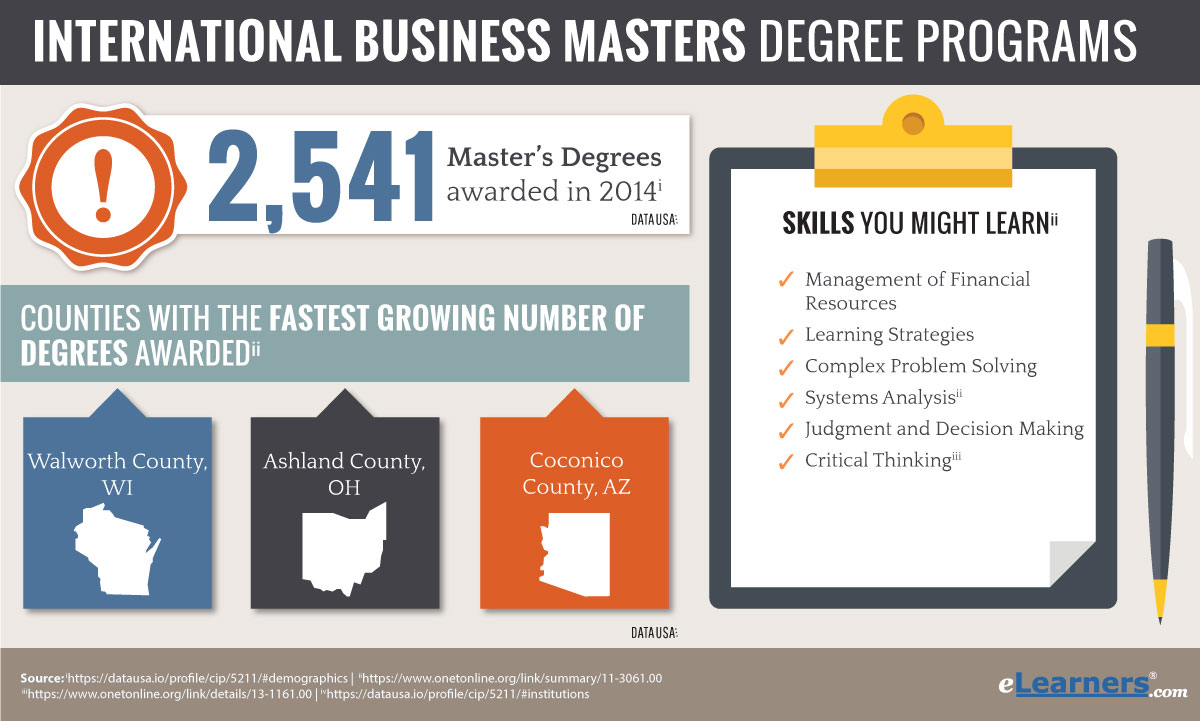
This question has been debated by many students and professionals in the field of business. A Master's degree in international business can provide students with a comprehensive understanding of the global business environment, including international trade, finance, and marketing. It can also equip students with the skills and knowledge necessary to succeed in a rapidly changing global economy.
Career Opportunities
A Master's degree in international business can lead to a wide range of career opportunities in fields such as international trade, consulting, and finance. Some of the benefits of pursuing a Master's degree in international business include:
- Global perspective: A Master's degree in international business provides students with a global perspective, which is essential for success in today's global economy.
- Networking opportunities: Many Master's programs in international business offer networking opportunities with professionals and alumni in the field, which can lead to job opportunities and career advancement.
- Specialized knowledge: A Master's degree in international business provides students with specialized knowledge in areas such as international marketing, finance, and logistics, which can be applied in a variety of industries and roles.
Personal Development
Pursuing a Master's degree in international business can also lead to personal development and growth, as students are challenged to think critically and strategically about global business issues. Some of the benefits of personal development through a Master's degree in international business include:
- Improved communication skills: A Master's degree in international business requires students to develop strong communication skills, which are essential for success in a global business environment.
- Increased cultural awareness: Studying international business provides students with increased cultural awareness and understanding, which is essential for working effectively in a global economy.
- Developed problem-solving skills: A Master's degree in international business requires students to develop strong problem-solving skills, which can be applied in a variety of contexts and industries.
Financial Benefits
A Master's degree in international business can also lead to financial benefits, as graduates are often in high demand by employers and can command high salaries. Some of the financial benefits of pursuing a Master's degree in international business include:
- Increased earning potential: A Master's degree in international business can lead to increased earning potential, as graduates are often in high demand by employers and can command high salaries.
- Improved job prospects: A Master's degree in international business can improve job prospects, as graduates have a competitive edge in the job market.
- Access to executive roles: A Master's degree in international business can provide access to executive roles and leadership positions, which can lead to high levels of responsibility and financial reward.
How much can you make with a master's in international business?

The amount of money you can make with a master's in international business varies widely depending on factors such as your location, industry, level of experience, and specific job title. On average, individuals with a master's in international business can expect to earn between $60,000 and over $100,000 per year. However, salary ranges can be influenced by the specific company, the level of responsibility, and the individual's skill set.
Job Opportunities in International Business
Individuals with a master's in international business can pursue a wide range of career paths, including roles in export management, global marketing, and international finance. Some of the key job opportunities include:
- International Business Development Manager: responsible for identifying and developing new business opportunities in foreign markets
- Global Supply Chain Manager: oversees the flow of goods, services, and information across international borders
- International Trade Specialist: assists companies in navigating trade regulations and tariffs to successfully export and import goods
Industry-Specific Salary Ranges
Salaries for individuals with a master's in international business can vary significantly depending on the industry. For example, those working in finance and banking tend to earn higher salaries than those in non-profit or government sectors. Some specific industry salary ranges include:
- Finance and Banking: $80,000 - $120,000 per year
- Management Consulting: $70,000 - $110,000 per year
- International Trade and Logistics: $60,000 - $100,000 per year
Skills and Qualities for Success
To be successful in international business, individuals need to possess a range of key skills and qualities, including language proficiency, cultural competence, and strategic thinking. Some of the most important skills for success in international business include:
- Proficiency in foreign languages, such as Spanish, Mandarin, or Arabic
- Ability to analyze complex data and make informed business decisions
- Strong communication and negotiation skills to effectively interact with international partners and clients
More information
What are the key benefits of pursuing a Master in International Business Management?
Pursuing a Master in International Business Management offers numerous benefits, including the opportunity to thrive in global markets and develop a deep understanding of cross-cultural business practices. This program provides students with a comprehensive education in international business, covering topics such as global marketing, finance, and logistics. By studying international business management, students can gain the skills and knowledge needed to succeed in a rapidly changing global economy. Additionally, this program can provide students with a competitive edge in the job market, as employers increasingly seek candidates with global business expertise. With a Master in International Business Management, graduates can pursue a wide range of career opportunities, from management consulting to international trade and development.
How can a Master in International Business Management help me develop a career in global business?
A Master in International Business Management can help students develop a successful career in global business by providing them with a comprehensive education in international business principles and practices. This program can help students develop strong analytical and problem-solving skills, as well as effective communication and leadership skills. By studying international business management, students can gain a deep understanding of global market trends and cross-cultural business practices, allowing them to navigate complex global business environments with ease. Furthermore, this program can provide students with practical experience through internships, case studies, and group projects, helping them develop the skills and confidence needed to succeed in a rapidly changing global economy. With a Master in International Business Management, graduates can pursue a wide range of career opportunities, from management to consulting and entrepreneurship.
What are the most important skills and knowledge areas for success in international business management?
To succeed in international business management, it is essential to possess a combination of key skills and knowledge areas. These include strong analytical and problem-solving skills, as well as effective communication and leadership skills. Additionally, a deep understanding of global market trends, cross-cultural business practices, and international business principles is crucial. Students should also be familiar with global marketing, finance, and logistics, as well as international trade and development. Furthermore, fluency in multiple languages and cultural competence are highly valued in international business management, as they enable professionals to navigate complex global business environments with ease. By acquiring these skills and knowledge areas, students can develop a strong foundation for success in global business and pursue a wide range of career opportunities.
How can I stay competitive in the global job market with a Master in International Business Management?
To stay competitive in the global job market with a Master in International Business Management, it is essential to stay up-to-date with the latest global market trends and cross-cultural business practices. This can be achieved by continuously developing your skills and knowledge in areas such as global marketing, finance, and logistics. Additionally, building a strong network of contacts in the global business community can provide access to valuable job opportunities and career advice. Furthermore, fluency in multiple languages and cultural competence can significantly enhance your career prospects in international business management. By staying adaptable and responsive to changing global business environments, you can thrive in a rapidly changing global economy and pursue a wide range of career opportunities. With a Master in International Business Management, you can develop the skills and knowledge needed to succeed in global business and stay competitive in the job market.
Leave a Reply