
Master in Healthcare Management: Lead and Manage in the Growing Healthcare Industry

The healthcare industry is experiencing unprecedented growth, driven by an aging population and an increased focus on patient-centered care. As a result, the demand for skilled healthcare managers is on the rise. A Master in Healthcare Management degree provides students with the knowledge, skills, and expertise needed to lead and manage in this complex and evolving field. With a strong foundation in business principles, healthcare policy, and clinical practices, graduates are equipped to navigate the challenges of the healthcare landscape and make a lasting impact on the delivery of quality patient care. Effective leadership is crucial.

Exploring the Opportunities in Healthcare Management with a Master's Degree
The Master in Healthcare Management is a graduate degree that focuses on the business and administrative aspects of the healthcare industry. This degree is designed for individuals who want to pursue a career in healthcare management, either in a clinical or non-clinical setting. The program covers a wide range of topics, including healthcare policy, finance, marketing, and operations management.
Understanding the Healthcare Industry and its Challenges
The healthcare industry is a complex and dynamic field that is constantly evolving. It is influenced by various factors, including government policies, technological advancements, and changing patient needs. To succeed in this industry, healthcare managers need to have a deep understanding of these factors and be able to adapt to changing circumstances. A Master in Healthcare Management degree provides students with the knowledge and skills needed to navigate these challenges and lead healthcare organizations effectively.
Developing Leadership and Management Skills
A Master in Healthcare Management degree helps students develop the leadership and management skills needed to succeed in the healthcare industry. The program covers topics such as strategic planning, communication, and team management, which are essential for effective leadership. Students also learn how to analyze data, make informed decisions, and implement changes to improve healthcare outcomes.
Exploring the Different Career Paths in Healthcare Management
There are various career paths available to individuals with a Master in Healthcare Management degree. Some of these include hospital administration, healthcare consulting, and health policy development. Graduates can also work in pharmaceutical companies, medical device manufacturers, and health insurance organizations. The degree provides a strong foundation in healthcare management, which can be applied to various roles and industries.
Staying Up-to-Date with the Latest Trends and Technologies
The healthcare industry is constantly evolving, with new technologies and trends emerging regularly. A Master in Healthcare Management degree helps students stay up-to-date with the latest developments in the field. The program covers topics such as health informatics, telemedicine, and artificial intelligence in healthcare, which are transforming the way healthcare services are delivered.
Building a Network of Professionals in the Healthcare Industry
A Master in Healthcare Management degree provides students with the opportunity to build a network of professionals in the healthcare industry. The program includes internships, mentoring, and career development opportunities, which help students connect with experienced professionals and learn from their experiences. This network can be invaluable in finding job opportunities and advancing in the field.
| Course | Description |
|---|---|
| Healthcare Policy | Examines the policy and regulatory environment of the healthcare industry |
| Healthcare Finance | Covers the financial aspects of healthcare management, including budgeting and cost control |
| Healthcare Marketing | Explores the marketing strategies and tactics used in the healthcare industry |
| Operations Management | Focuses on the operational aspects of healthcare management, including supply chain management and quality improvement |
Is a master's in healthcare management worth it?
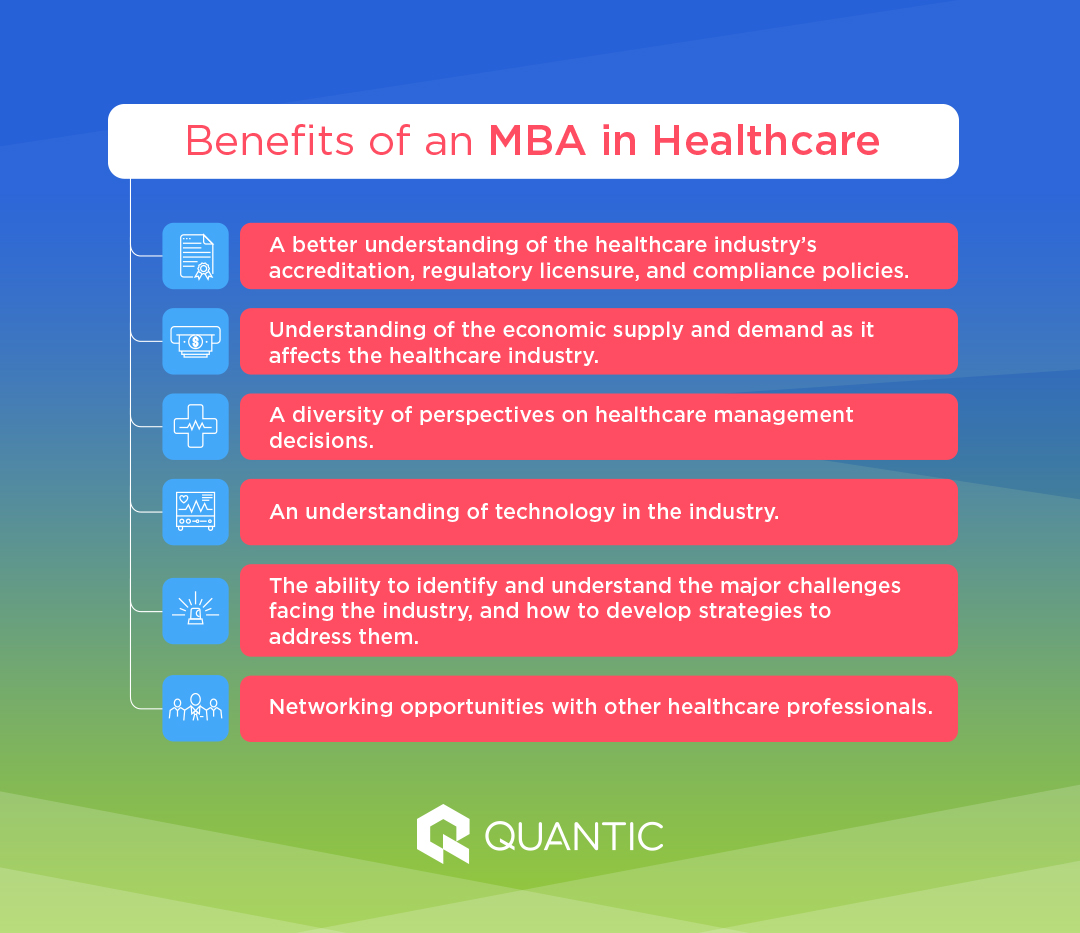
Pursuing a master's in healthcare management can be a valuable investment for individuals seeking to advance their careers in the healthcare industry. This degree program provides students with the necessary skills and knowledge to manage and lead healthcare organizations, making them more competitive in the job market. A master's in healthcare management typically covers a wide range of topics, including healthcare policy, financial management, operations management, and leadership.
Benefits of a Master's in Healthcare Management
A master's in healthcare management offers numerous benefits, including increased job opportunities, higher salary potential, and the ability to make a positive impact on the healthcare system. Some of the key benefits of this degree program include:
- Improved leadership skills, which enable graduates to effectively manage and lead healthcare teams
- Enhanced analytical skills, which allow graduates to analyze complex healthcare data and make informed decisions
- Increased knowledge of healthcare policy, which enables graduates to navigate the complex regulatory environment of the healthcare industry
Career Opportunities in Healthcare Management
Graduates of a master's in healthcare management program can pursue a variety of career opportunities, including hospital administration, healthcare consulting, and health policy analysis. Some of the key career opportunities in healthcare management include:
- Clinical manager, responsible for overseeing the daily operations of a healthcare facility or department
- Healthcare consultant, responsible for providing strategic advice to healthcare organizations
- Health policy analyst, responsible for analyzing and developing healthcare policy at the local, state, or federal level
Skills and Knowledge Required for Success in Healthcare Management
To be successful in healthcare management, individuals need to possess a combination of business acumen, clinical knowledge, and leadership skills. Some of the key skills and knowledge required for success in healthcare management include:
- Strong communication skills, which enable healthcare managers to effectively communicate with patients, staff, and other stakeholders
- Strategic thinking skills, which allow healthcare managers to develop and implement effective business strategies
- Knowledge of healthcare technology, which enables healthcare managers to leverage electronic health records and other healthcare IT systems to improve patient care and operational efficiency
What is the highest paying job in healthcare management?
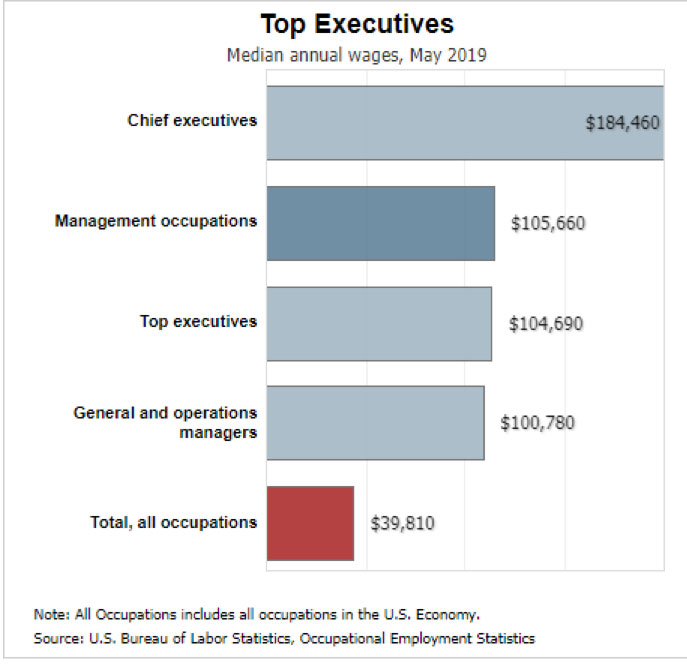
The highest paying job in healthcare management is typically a Chief Executive Officer (CEO) or a Chief Operating Officer (COO) of a large hospital or healthcare system. These individuals are responsible for overseeing the overall strategy and direction of the organization, as well as managing its financial and operational performance. They must have a strong background in business and healthcare administration, as well as excellent leadership and communication skills.
Key Responsibilities of a Healthcare CEO
A healthcare CEO has a wide range of responsibilities, including:
- Developing and implementing strategic plans to achieve the organization's goals and objectives
- Overseeing the financial management of the organization, including budgeting and revenue cycle management
- Ensuring that the organization is in compliance with all relevant regulations and laws, including those related to patient safety and quality of care
This requires a strong understanding of healthcare policy and regulations, as well as the ability to navigate complex financial and operational systems.
Skills and Qualifications Required
To be successful in a healthcare management role, individuals must possess a combination of business and clinical skills, including:
- A master's degree in healthcare administration or a related field, such as business administration or public health
- Strong leadership and communication skills, with the ability to motivate and manage teams
- Experience in financial management, including budgeting and revenue cycle management
This combination of skills and qualifications can help individuals succeed in healthcare management roles and advance to senior leadership positions.
Future Outlook and Opportunities
The future outlook for healthcare management professionals is strong, with job growth projected to be faster than average over the next decade. This is due to the aging population and the increasing demand for healthcare services, which will require strong leadership and management to ensure that healthcare organizations are able to provide high-quality care while also managing their financial and operational performance. Some potential career paths for healthcare management professionals include:
- Chief Financial Officer (CFO), responsible for overseeing the financial management of the organization
- Chief Information Officer (CIO), responsible for overseeing the information technology systems of the organization
- Chief Quality Officer, responsible for ensuring that the organization is providing high-quality care to its patients
These roles require strong analytical and problem-solving skills, as well as the ability to lead and manage teams.
What can you do with a masters in health management?

With a Master's in Health Management, you can pursue a wide range of career opportunities in the healthcare industry. This degree program combines business administration and healthcare management to provide students with the knowledge and skills necessary to manage healthcare organizations effectively. Graduates can work in various settings, including hospitals, clinics, nursing homes, and health insurance companies.
Career Opportunities in Healthcare Administration
A Master's in Health Management can lead to various career opportunities in healthcare administration, including roles such as hospital administrator, clinical manager, and healthcare consultant. Some of the key responsibilities of these professionals include:
- Developing and implementing strategic plans to improve healthcare services
- Managing budgets and financial resources to ensure efficient operations
- Coordinating with medical staff and other stakeholders to deliver high-quality patient care
Specializations in Health Management
Graduates with a Master's in Health Management can specialize in various areas, including health informatics, health policy, and global health management. These specializations can lead to careers such as health information manager, policy analyst, and global health consultant. Some of the key skills required for these roles include:
- Data analysis and interpretation to inform healthcare decisions
- Policy development and implementation to improve healthcare outcomes
- Cultural competence and understanding of global health issues to work effectively in diverse settings
Skills and Knowledge for Success in Health Management
To succeed in health management, graduates need to possess a range of skills and knowledge, including strong communication and leadership skills, as well as a deep understanding of healthcare systems and health policy. Some of the key areas of knowledge required for success in health management include:
- Healthcare finance and accounting to manage budgets and financial resources effectively
- Health law and regulations to ensure compliance and mitigate risk
- Quality improvement and patient safety to deliver high-quality care and improve healthcare outcomes
Is healthcare management a growing field?
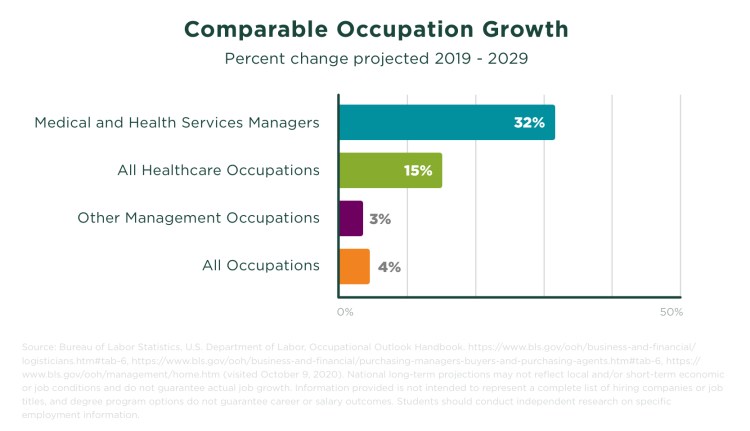
Healthcare management is indeed a growing field, driven by the increasing demand for quality healthcare services and the need for efficient management of healthcare systems. The field of healthcare management encompasses a broad range of activities, including financial management, human resources management, and operational management, all of which are critical to the delivery of high-quality patient care. As the healthcare industry continues to evolve, the role of healthcare managers is becoming increasingly important, and the demand for skilled and knowledgeable professionals in this field is on the rise.
Key Drivers of Growth in Healthcare Management
The growth in healthcare management can be attributed to several key factors, including the aging population, advances in medical technology, and the increasing prevalence of chronic diseases. These factors have led to an increase in the demand for healthcare services, which in turn has created a need for skilled healthcare managers who can oversee the delivery of these services. Some of the key drivers of growth in healthcare management include:
- Aging population: The aging population is driving an increase in the demand for healthcare services, particularly in areas such as gerontology and palliative care.
- Advances in medical technology: Advances in medical technology are leading to new and innovative treatments, which require skilled healthcare managers to oversee their implementation and management.
- Increasing prevalence of chronic diseases: The increasing prevalence of chronic diseases, such as diabetes and heart disease, is driving an increase in the demand for healthcare services, particularly in areas such as disease management and health promotion.
Emerging Trends in Healthcare Management
There are several emerging trends in healthcare management, including the use of data analytics and artificial intelligence to improve the delivery of healthcare services. These trends are driven by the need for increased efficiency and improved patient outcomes, and are likely to have a significant impact on the field of healthcare management in the coming years. Some of the emerging trends in healthcare management include:
- Use of data analytics: The use of data analytics is becoming increasingly important in healthcare management, as it allows for the analysis of large datasets and the identification of trends and patterns that can inform quality improvement initiatives.
- Artificial intelligence: Artificial intelligence is being used in healthcare management to improve the delivery of healthcare services, particularly in areas such as clinical decision support and patient engagement.
- Telehealth: Telehealth is a growing trend in healthcare management, as it allows for the delivery of healthcare services remotely, which can improve access to care and patient outcomes.
Career Opportunities in Healthcare Management
There are many career opportunities in healthcare management, including hospital administration, health informatics, and medical practice management. These roles are critical to the delivery of high-quality patient care, and offer a range of challenges and opportunities for professional growth and development. Some of the career opportunities in healthcare management include:
- Hospital administration: Hospital administrators oversee the day-to-day operations of hospitals, including financial management, human resources management, and operational management.
- Health informatics: Health informatics specialists design and implement health information systems, which are critical to the delivery of high-quality patient care.
- Medical practice management: Medical practice managers oversee the business operations of medical practices, including financial management, human resources management, and marketing.
More information
What is the Master in Healthcare Management program and its significance in the industry?
The Master in Healthcare Management program is a postgraduate degree designed to equip students with the necessary skills and knowledge to lead and manage in the growing healthcare industry. This program is highly relevant in today's healthcare landscape, where managers and leaders are needed to oversee the delivery of high-quality patient care, manage complex healthcare systems, and make informed decisions about resource allocation. The program typically covers a range of topics, including healthcare policy, finance, marketing, operations, and informatics, providing students with a comprehensive understanding of the healthcare system and the skills to analyze and solve problems.
What are the key skills and knowledge required to succeed in the Master in Healthcare Management program?
To succeed in the Master in Healthcare Management program, students need to possess a combination of business and healthcare skills, including strategic thinking, communication, problem-solving, and leadership abilities. They should also have a strong understanding of healthcare systems, policy, and regulations, as well as financial management and budgeting skills. Additionally, students should be able to analyze and interpret data, identify and mitigate risks, and develop and implement strategic plans. Strong interpersonal and collaboration skills are also essential, as students will work with diverse stakeholders, including healthcare professionals, patients, and payers.
What are the career opportunities available to graduates of the Master in Healthcare Management program?
Graduates of the Master in Healthcare Management program have a wide range of career opportunities available to them, including management and leadership positions in hospitals, health systems, insurance companies, consulting firms, and government agencies. They can work as healthcare administrators, managers, or executives, overseeing the operations of healthcare organizations, developing and implementing strategic plans, and making informed decisions about resource allocation. They can also work in healthcare policy, research, and education, or start their own healthcare-related businesses. With the growing demand for healthcare services, graduates of this program are in high demand, and can expect competitive salaries and benefits.
How can the Master in Healthcare Management program help individuals advance their careers in the healthcare industry?
The Master in Healthcare Management program can help individuals advance their careers in the healthcare industry by providing them with the knowledge, skills, and network needed to succeed in leadership and management positions. The program can help individuals transition into new roles, such as management or consulting, or advance in their current careers, taking on more responsibility and challenging projects. The program can also help individuals develop a stronger understanding of the healthcare system, identify and address gaps in their knowledge and skills, and build a professional network of peers and mentors. With the growing demand for healthcare services, individuals with a Master in Healthcare Management degree are well-positioned to lead and manage in the healthcare industry, and can expect long-term career success and advancement.
Leave a Reply