
Become a Successful Management Consultant: The Master's That Prepares You for Consulting

Pursuing a career in management consulting can be a highly rewarding and challenging path. To succeed in this field, it is essential to have the right skills and knowledge. A Master's degree in a relevant field can provide a strong foundation for a career in management consulting. This degree program can equip individuals with the necessary tools and expertise to navigate the complexities of the business world and provide effective solutions to clients. With the right education and training, aspiring consultants can set themselves up for success. The right Master's program can make all the difference.

Becoming a Successful Management Consultant: Unlocking Your Potential with a Master's Degree
To become a successful management consultant, one must possess a combination of skills, knowledge, and experience. A Master's degree in a relevant field such as business administration, management, or a related discipline can provide a solid foundation for a career in management consulting. The Master's program that prepares you for consulting should include courses in strategy, operations, finance, and organizational behavior, among others.
Developing Core Consulting Skills
Developing core consulting skills is essential for success in this field. These skills include communication, problem-solving, and analytical skills. A Master's program that focuses on developing these skills can help you build a strong foundation for a career in management consulting. The program should include coursework, case studies, and projects that simulate real-world consulting scenarios, allowing you to apply theoretical concepts to practical problems.
Understanding the Consulting Industry
Understanding the consulting industry is critical for success as a management consultant. A Master's program that provides an overview of the industry, including market trends, competitive landscape, and emerging opportunities, can help you navigate the complex world of management consulting. The program should also cover the different types of consulting services, such as strategy, operations, and IT consulting, and the skills required for each.
Building a Strong Network
Building a strong network is essential for success as a management consultant. A Master's program that provides opportunities to connect with alumni, industry professionals, and peers can help you build a strong network of contacts in the field. The program should also include networking events, conferences, and other activities that allow you to meet and learn from experienced consultants.
Staying Up-to-Date with Industry Developments
Staying up-to-date with industry developments is critical for success as a management consultant. A Master's program that provides access to industry publications, research reports, and market analysis can help you stay current with the latest trends and developments in the field. The program should also include coursework and projects that focus on innovation, digital transformation, and other emerging topics in management consulting.
Preparing for the Certification Process
Preparing for the certification process is an important step in becoming a successful management consultant. A Master's program that prepares you for certification as a Certified Management Consultant (CMC) or other professional certifications can help you demonstrate your expertise and commitment to the field. The program should include coursework and training that covers the knowledge and skills required for certification, as well as guidance on the certification process and requirements.
| Program | Duration | Tuition | Location |
|---|---|---|---|
| Master's in Management Consulting | 2 years | $50,000 | New York |
| Master's in Business Administration | 1 year | $30,000 | London |
| Master's in Management | 1.5 years | $40,000 | Paris |
How to be a successful management consultant?
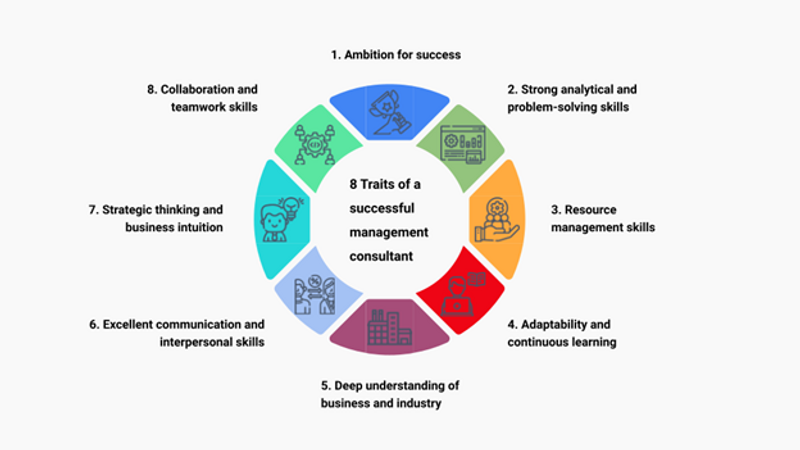
To be a successful management consultant, one must possess a combination of skills, knowledge, and personal qualities that enable them to effectively analyze and improve organizational performance. A successful management consultant is able to identify areas of improvement, develop and implement strategies, and measure the effectiveness of these strategies. They must also be able to communicate complex ideas in a clear and concise manner, and work effectively with clients to understand their needs and develop solutions that meet those needs.
Developing Essential Skills
To be a successful management consultant, it is essential to develop a range of skills, including analytical skills, communication skills, and problem-solving skills. These skills can be developed through a combination of formal education, training, and experience. Some of the key skills that a management consultant should possess include:
- Business acumen: a thorough understanding of business operations and the ability to analyze and improve organizational performance
- Strategic thinking: the ability to develop and implement effective strategies that meet the needs of the client
- Collaboration and teamwork: the ability to work effectively with clients and other stakeholders to develop and implement solutions
Building a Strong Network
Building a strong network of contacts and relationships is critical to success as a management consultant. A strong network can provide access to new clients, referrals, and opportunities, as well as provide a source of support and guidance. To build a strong network, a management consultant should focus on developing strong relationships with clients, colleagues, and other stakeholders. Some ways to build a strong network include:
- Attending industry events: attending conferences, seminars, and other events to meet new people and stay up-to-date on the latest trends and developments
- Participating in online communities: participating in online forums and discussion groups to connect with other professionals and stay informed
- Volunteering for professional organizations: volunteering for professional organizations to meet new people and gain new skills and experiences
Staying Up-to-Date with Industry Trends
To be a successful management consultant, it is essential to stay up-to-date with the latest industry trends and best practices. This can be achieved through a combination of formal education, training, and ongoing professional development. Some ways to stay up-to-date with industry trends include:
- Reading industry publications: reading industry publications and news sources to stay informed about the latest developments and trends
- Attending training and development programs: attending training and development programs to gain new skills and knowledge
- Participating in online courses and webinars: participating in online courses and webinars to stay up-to-date with the latest trends and best practices
Is 30 too old for management consulting?
The answer is no, 30 is not too old to start a career in management consulting. Many people have successfully transitioned into management consulting in their 30s, and some have even done so in their 40s and 50s. The key is to have the right skills, experience, and education to be competitive in the field. Management consulting firms value diversity and experience, so having a few years of work experience under your belt can actually be beneficial.
Breaking into Management Consulting at 30
Breaking into management consulting at 30 can be challenging, but it's not impossible. To increase your chances of success, it's essential to have a strong understanding of the industry, as well as the skills and experience that consulting firms are looking for. Some of the key skills and qualities that management consulting firms look for in candidates include:
- Analytical skills: The ability to analyze complex data and develop creative solutions to business problems.
- Communication skills: The ability to effectively communicate with clients and team members.
- Business acumen: A strong understanding of business principles and practices.
Benefits of Starting a Career in Management Consulting at 30
There are several benefits to starting a career in management consulting at 30. For one, you'll have the opportunity to work with a variety of clients and industries, which can help you develop a broad range of skills and experiences. Additionally, management consulting can be a lucrative career, with consultants often earning high salaries and bonuses. Some of the benefits of starting a career in management consulting at 30 include:
- Higher earning potential: Management consultants are often among the highest paid professionals in the business world.
- Opportunities for advancement: With experience and a strong track record, you can move into leadership positions or start your own consulting firm.
- Personal satisfaction: Helping clients solve complex business problems can be highly rewarding and give you a sense of personal satisfaction.
Challenges of Starting a Career in Management Consulting at 30
While starting a career in management consulting at 30 can be rewarding, there are also several challenges to consider. For one, the competition for jobs in management consulting is fierce, and you'll need to have a strong resume and interview skills to stand out. Additionally, management consulting can be a demanding career, requiring long hours and frequent travel. Some of the challenges of starting a career in management consulting at 30 include:
- Intense competition: The competition for jobs in management consulting is intense, and you'll need to have a strong application and interview skills to stand out.
- High stress levels: Management consulting can be a high-stress career, with long hours and tight deadlines.
- Continuous learning: The business world is constantly evolving, and you'll need to stay up-to-date with the latest trends and technologies to remain competitive.
How do I prepare for a management consulting career?

To prepare for a management consulting career, it is essential to develop a strong foundation in business principles, strategic thinking, and problem-solving skills. A career in management consulting requires a deep understanding of various industries, business models, and operational practices. Individuals seeking to pursue this career path should focus on acquiring relevant skills and knowledge through academic programs, professional certifications, and hands-on experience.
Developing Core Skills
Developing core skills is crucial for a successful management consulting career. This includes communication, analytical, and interpersonal skills. To develop these skills, individuals can:
- Enroll in courses or training programs that focus on business communication, data analysis, and team management
- Participate in group projects or case studies to practice problem-solving and collaboration
- Seek feedback from mentors or colleagues to improve self-awareness and adaptability
Building Industry Knowledge
Building industry knowledge is vital for management consultants, as they need to understand the market trends, industry dynamics, and regulatory environments of various sectors. To build industry knowledge, individuals can:
- Conduct research on various industries, including financial services, healthcare, and technology
- Attend industry conferences or webinars to stay updated on the latest developments and innovations
- Network with professionals from different industries to gain insights and perspectives
Pursuing Relevant Education and Certifications
Pursuing relevant education and certifications can significantly enhance one's chances of success in a management consulting career. This includes earning a Master's in Business Administration (MBA) or a Master's in Management degree, as well as obtaining professional certifications such as Certified Management Consultant (CMC). To pursue relevant education and certifications, individuals can:
- Research and apply to top-tier business schools or universities that offer management consulting programs
- Prepare for and take certification exams, such as the GMAT or GRE, to demonstrate competence and commitment
- Explore online courses or executive education programs that offer specialized training in management consulting
What is the highest salary for a management consultant?
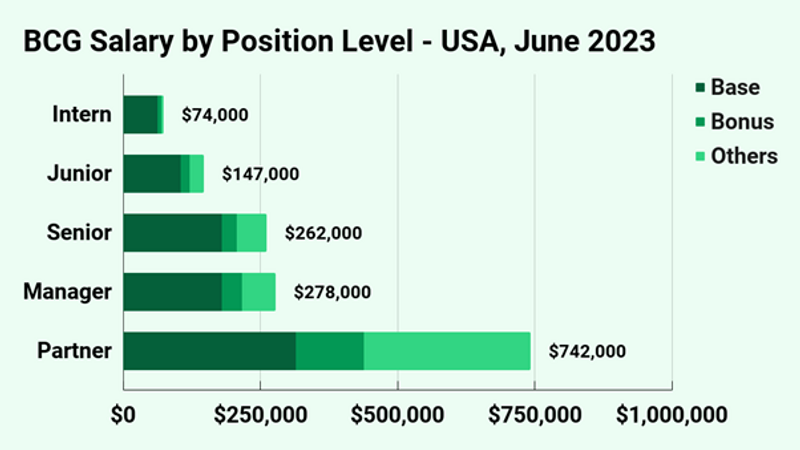
The highest salary for a management consultant can vary depending on factors such as location, industry, level of experience, and specific employer. However, according to various sources, the average salary for a management consultant in the United States can range from $80,000 to over $150,000 per year. Top consulting firms such as McKinsey, Boston Consulting Group, and Bain & Company tend to offer the highest salaries, with some senior consultants earning upwards of $200,000 per year.
Factors Affecting Salary
The salary for a management consultant is influenced by several factors, including location, industry, and level of experience. For example, consultants working in major cities such as New York or San Francisco tend to earn higher salaries than those working in smaller cities or rural areas. Additionally, consultants with specialized skills or expertise, such as data analytics or digital transformation, may command higher salaries than those with more general skills. The following are some factors that can affect a management consultant's salary:
- Location: Salaries can vary significantly depending on the location, with major cities tend to offer higher salaries
- Industry: Consultants working in industries such as finance or healthcare may earn higher salaries than those working in other industries
- Level of experience: Senior consultants with many years of experience tend to earn higher salaries than junior consultants
Top Consulting Firms
The top consulting firms tend to offer the highest salaries to their consultants. These firms include McKinsey, Boston Consulting Group, and Bain & Company, among others. These firms typically offer salaries ranging from $100,000 to over $200,000 per year, depending on the level of experience and position. Some of the benefits of working for these top firms include opportunities for advancement, professional development, and networking opportunities. The following are some of the top consulting firms and their typical salary ranges:
- McKinsey: $100,000 - $200,000 per year
- Boston Consulting Group: $90,000 - $180,000 per year
- Bain & Company: $80,000 - $160,000 per year
Specialized Skills and Expertise
Management consultants with specialized skills or expertise can command higher salaries than those with more general skills. For example, consultants with expertise in data analytics, digital transformation, or cybersecurity may be in high demand and earn higher salaries. Additionally, consultants with industry-specific expertise, such as finance or healthcare, may also earn higher salaries. The following are some specialized skills and expertise that can increase a management consultant's salary:
- Data analytics: Salaries can range from $120,000 to over $200,000 per year
- Digital transformation: Salaries can range from $100,000 to over $180,000 per year
- Cybersecurity: Salaries can range from $90,000 to over $160,000 per year
More information
What are the key skills required to become a successful management consultant?
To become a successful management consultant! Strategy, problem-solving, and communication are essential skills that are highly valued in the field of management consulting. A strong educational background, such as a Master's degree in a relevant field, can provide a solid foundation for a career in management consulting. Additionally, analytical and critical thinking skills are crucial for identifying and addressing complex business problems. Successful management consultants must also possess strong interpersonal and leadership skills, as they will be working closely with clients and teams to implement solutions. Furthermore, adaptability and flexibility are essential, as management consultants often work on a project-by-project basis and must be able to adjust to new and changing situations.
How can a Master's degree prepare me for a career in management consulting?
A Master's degree can prepare you for a career in management consulting by providing a comprehensive education in business principles, management theories, and consulting practices. Many Master's programs, such as an MBA or a Master's in Management, offer specialized courses and concentrations in management consulting, which can provide students with a deep understanding of the field. These programs often include case studies, group projects, and internships, which can help students develop practical skills and gain hands-on experience. Moreover, a Master's degree can provide opportunities for networking and career development, as many programs have strong connections with top management consulting firms. By pursuing a Master's degree, you can gain the knowledge, skills, and credentials needed to succeed in this competitive field.
What are the benefits of pursuing a Master's degree in management consulting?
Pursuing a Master's degree in management consulting can offer numerous benefits, including enhanced career prospects and increased earning potential. Management consulting is a highly competitive field, and a Master's degree can provide a significant competitive advantage when applying for jobs. Additionally, a Master's degree can provide specialized knowledge and skills that are highly valued by top management consulting firms. Many Master's programs also offer global perspectives and international experiences, which can help students develop a global mindset and prepare them for a career in a globalized business environment. Furthermore, a Master's degree can provide opportunities for personal growth and professional development, as students learn to analyze complex problems, develop innovative solutions, and lead high-performing teams.
How can I choose the right Master's program for a career in management consulting?
Choosing the right Master's program for a career in management consulting requires careful consideration of several factors, including program reputation, curriculum, and career opportunities. You should research programs that offer specializations in management consulting and have strong connections with top management consulting firms. Additionally, consider programs that provide hands-on experience through internships, case studies, and group projects. It's also essential to look at the faculty expertise and research focus of the program, as well as the alumni network and career services. Moreover, consider factors such as location, program length, and cost, as these can impact your overall return on investment. By carefully evaluating these factors, you can choose a Master's program that provides the right combination of knowledge, skills, and opportunities to launch a successful career in management consulting.