
Become a Professional Project Manager: The Master in Project Management to Boost Your Career Path

Effective project management is crucial in today's fast-paced business environment, and professionals with expertise in this field are in high demand. A Master in Project Management can significantly enhance your career prospects, equipping you with the skills and knowledge to successfully lead complex projects. This advanced degree program covers key aspects of project management, including planning, execution, and monitoring, preparing you to tackle challenging projects and drive business success. By pursuing a Master in Project Management, you can boost your career path and become a sought-after professional in this field. This degree can open doors.

Unlocking Career Advancement Opportunities with a Master's in Project Management
Pursuing a Master's in Project Management can be a pivotal step in advancing one's career, especially for those seeking to become a professional project manager. This graduate degree program is designed to equip students with the strategic, technical, and leadership skills necessary to manage complex projects from inception to completion. The curriculum typically covers a wide range of topics, including project planning, risk management, team management, and stakeholder communication. By acquiring these skills, individuals can significantly enhance their career prospects and become more competitive in the job market.
Developing Essential Skills for Project Management Success
The Master's in Project Management program focuses on developing the essential skills required for project management success. These skills include problem-solving, decision-making, and time management, which are critical for managing projects effectively. Students also learn about agile methodologies, scrum frameworks, and project management information systems, which are widely used in the industry. By mastering these skills and tools, graduates can efficiently manage projects, ensure timely completion, and deliver results that meet or exceed stakeholder expectations.
Understanding the Importance of Project Management Certification
Obtaining a project management certification can significantly enhance one's career prospects. The most widely recognized certification is the Project Management Professional (PMP) credential, offered by the Project Management Institute (PMI). This certification demonstrates that an individual has the knowledge, skills, and experience required to manage projects effectively. Many organizations require or prefer candidates with PMP certification, making it a valuable asset for those seeking to become a professional project manager.
Exploring Career Opportunities in Project Management
Graduates with a Master's in Project Management can pursue a wide range of career opportunities across various industries, including construction, IT, finance, and healthcare. Some common job titles include project manager, program manager, portfolio manager, and scrum master. These roles involve managing projects, leading teams, and ensuring that projects are completed on time, within budget, and to the required quality standards. With experience and certification, project managers can move into senior roles, such as director of project management or VP of operations.
Building a Strong Professional Network in Project Management
Building a strong professional network is essential for success in project management. The Master's in Project Management program provides opportunities to connect with peers, instructors, and industry professionals who share similar interests and goals. Attend conferences, seminars, and workshops to learn about the latest trends and best practices in project management. Joining professional organizations, such as the PMI, can also provide access to resources, training, and job opportunities.
Staying Up-to-Date with Industry Trends and Best Practices
The project management landscape is constantly evolving, with new technologies, methodologies, and tools emerging regularly. To stay ahead of the curve, it's essential to stay informed about the latest industry trends and best practices. This can be achieved by attending training sessions, webinars, and conferences, as well as reading industry publications and blogs. By staying current, project managers can adapt to changing circumstances, improve their skills, and deliver results that meet or exceed stakeholder expectations.
| Project Management Skills | Description |
|---|---|
| Project Planning | Defining project scope, goals, and deliverables |
| Risk Management | Identifying, assessing, and mitigating project risks |
| Team Management | Leading and motivating project team members |
| Stakeholder Communication | Communicating project progress and results to stakeholders |
| Agile Methodologies | Applying agile principles and practices to project management |
Is it worth getting a master's in project management?
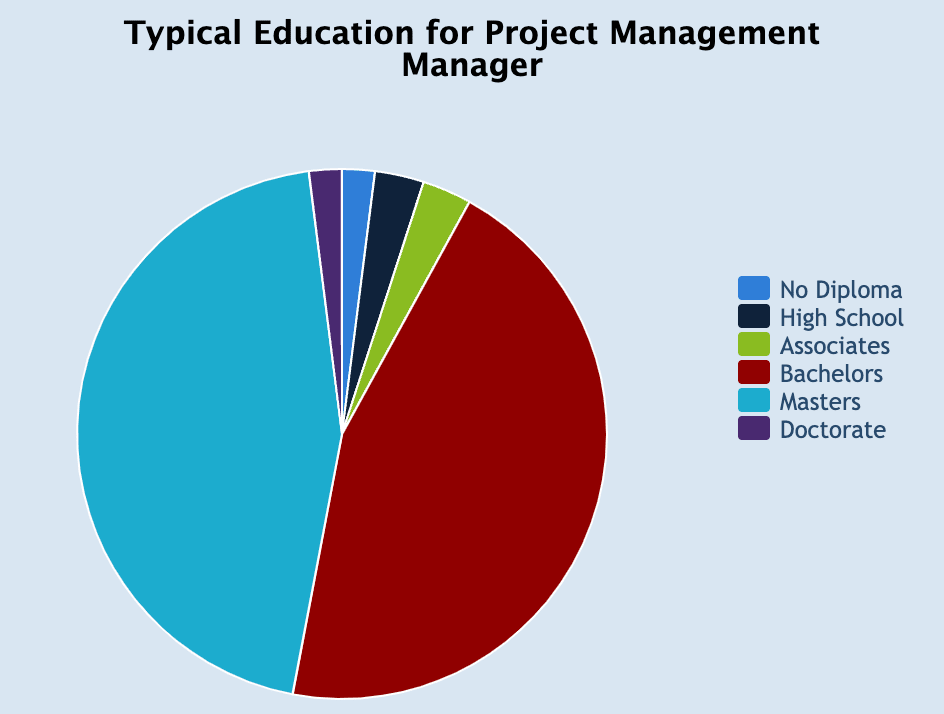
This question is a common concern for many individuals who are considering furthering their education in the field of project management. A master's degree in project management can provide individuals with the advanced knowledge and skills necessary to succeed in this field. It can also provide a competitive edge in the job market, as many employers require or prefer candidates with a graduate degree.
Benefits of a Master's in Project Management
A master's degree in project management can provide numerous benefits, including increased earning potential, improved job prospects, and enhanced skills. Some of the key benefits of a master's in project management include:
- Advanced knowledge of project management principles, practices, and techniques
- Developed skills in areas such as leadership, communication, and problem-solving
- Networking opportunities with other professionals in the field
A master's degree in project management can also provide individuals with the expertise necessary to take on senior roles or consulting positions.
Career Opportunities with a Master's in Project Management
A master's degree in project management can open up a wide range of career opportunities, including senior project manager, program manager, and portfolio manager. Some of the key career opportunities with a master's in project management include:
- Project manager roles in industries such as construction, IT, and finance
- Consulting positions with top management consulting firms
- Leadership roles in project management offices or departments
A master's degree in project management can also provide individuals with the flexibility to work in a variety of industries and locations.
Skills and Knowledge Gained with a Master's in Project Management
A master's degree in project management can provide individuals with a wide range of skills and knowledge, including project planning, risk management, and team leadership. Some of the key skills and knowledge gained with a master's in project management include:
- Project management methodologies such as Agile and Scrum
- Project planning and scheduling techniques
- Risk management and quality assurance practices
A master's degree in project management can also provide individuals with the ability to analyze and solve complex problems, as well as communicate effectively with stakeholders.
What is the career path to become a project manager?
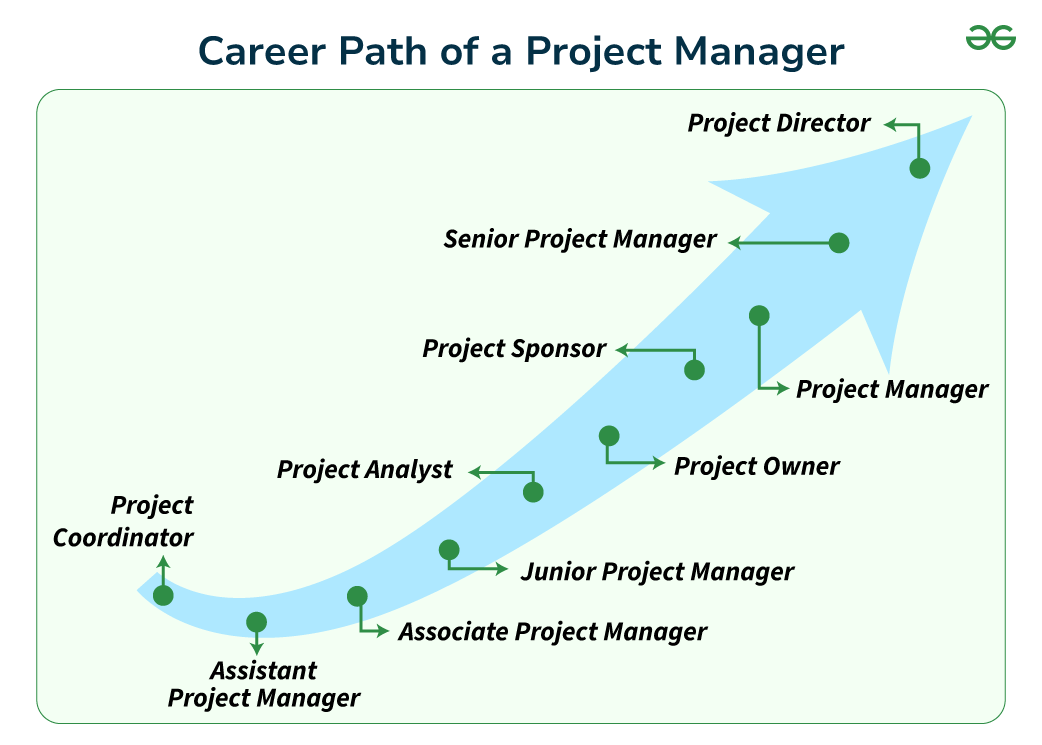
To become a project manager, one typically needs to follow a specific career path that involves gaining relevant experience, skills, and certifications. The journey to becoming a successful project manager can be challenging, but with dedication and hard work, it can be a rewarding career.
Education and Early Career
The career path to become a project manager often starts with a bachelor's degree in a field such as business administration, engineering, or computer science. After completing their education, individuals can start their careers in entry-level positions such as coordinators or assistants. As they gain experience, they can move on to more senior roles, such as team leaders or supervisors. Some key steps in this phase include:
- Gaining a solid understanding of project management principles and methodologies
- Developing strong communication and interpersonal skills
- Building a strong network of professionals in the industry
Developing Project Management Skills
As individuals gain more experience, they need to develop project management skills such as planning, scheduling, budgeting, and risk management. They can do this by taking courses or certification programs such as the Project Management Professional (PMP) certification. Additionally, they can gain practical experience by working on small projects or volunteering to lead teams. Some key skills to develop in this phase include:
- Leadership and team management skills
- Problem-solving and analytical skills
- Time management and organization skills
Advanced Certifications and Specializations
Once individuals have gained significant experience and developed their project management skills, they can consider pursuing advanced certifications or specializations. For example, they can pursue agile certifications such as the Certified Scrum Master (CSM) or specialize in industries such as construction or IT. Some key benefits of advanced certifications and specializations include:
- Increased earning potential and career advancement opportunities
- Improved job prospects and competitive advantage
- Enhanced skills and knowledge in specific areas of project management
Is a PMP better than a master?
The question of whether a Project Management Professional (PMP) certification is better than a master's degree is a complex one, and the answer depends on various factors, including career goals, industry, and personal preferences. A PMP certification is a professional credential that demonstrates a person's expertise in project management, while a master's degree is a graduate degree that provides advanced knowledge in a specific field. When considering which one is better, it's essential to weigh the benefits and drawbacks of each.
Overview of PMP and Master's Degree
A PMP certification is a widely recognized credential that can be obtained through the Project Management Institute (PMI), while a master's degree is a academic degree that typically takes two years to complete. The PMP certification requires 35 hours of project management education, 4,500 hours of project management experience, and passing a comprehensive exam. In contrast, a master's degree requires completing coursework, passing exams, and defending a thesis. Some of the key differences between the two include:
- Cost: The cost of obtaining a PMP certification is generally lower than pursuing a master's degree.
- Time commitment: The time required to obtain a PMP certification is typically shorter than the time required to complete a master's degree.
- Focus: The PMP certification focuses specifically on project management, while a master's degree provides a broader education in a specific field.
Benefits of PMP Certification
The PMP certification offers several benefits, including increased earning potential, improved job prospects, and enhanced skills. Additionally, the PMP certification is widely recognized and respected across industries, making it a valuable asset for professionals seeking to advance their careers. Some of the key benefits of the PMP certification include:
- Improved project management skills: The PMP certification demonstrates a person's ability to plan, execute, and deliver projects effectively.
- Increased credibility: The PMP certification is a recognized standard in the project management industry, and it can help professionals establish credibility with employers and clients.
- Better job prospects: The PMP certification can open up new career opportunities and provide a competitive advantage in the job market.
Benefits of Master's Degree
A master's degree provides a comprehensive education in a specific field, which can be beneficial for professionals seeking to advance their careers or transition to a new field. Additionally, a master's degree can provide advanced knowledge, critical thinking skills, and networking opportunities. Some of the key benefits of a master's degree include:
- Advanced knowledge: A master's degree provides in-depth knowledge in a specific field, which can help professionals stay up-to-date with the latest developments and best practices.
- Critical thinking skills: A master's degree requires critical thinking, analysis, and problem-solving, which can help professionals develop strong analytical skills.
- Networking opportunities: A master's degree program provides opportunities to network with professionals and establish connections in a specific field.
What is 90% of a project manager's job?

90% of a project manager's job is communication and coordination. This involves ensuring that all stakeholders, including team members, clients, and sponsors, are informed and aligned with the project's goals, objectives, and progress. Effective communication is critical to the success of a project, as it helps to prevent misunderstandings, resolve conflicts, and build trust among team members.
Project Planning and Execution
Project planning and execution are critical components of a project manager's job. This involves defining project scope, developing project schedules, and allocating resources. A project manager must also ensure that the project is executed in accordance with the plan, and that any deviations or issues are promptly addressed. Some key aspects of project planning and execution include:
- Defining project scope and objectives
- Developing project schedules and resource allocation plans
- Coordinating and managing project team members
To achieve this, a project manager must possess strong organizational and leadership skills, as well as the ability to prioritize tasks and manage risks.
Stakeholder Management
Stakeholder management is another critical aspect of a project manager's job. This involves identifying, analyzing, and responding to the needs and expectations of all stakeholders, including team members, clients, sponsors, and end-users. A project manager must also ensure that stakeholders are informed and engaged throughout the project lifecycle. Some key aspects of stakeholder management include:
- Identifying and analyzing stakeholder needs and expectations
- Developing and implementing stakeholder engagement strategies
- Communicating project progress and changes to stakeholders
To achieve this, a project manager must possess strong interpersonal and communication skills, as well as the ability to build trust and manage conflicts.
Issue and Risk Management
Issue and risk management are essential components of a project manager's job. This involves identifying, assessing, and mitigating risks and issues that could impact the project's scope, schedule, budget, or quality. A project manager must also develop and implement strategies to address issues and risks, and ensure that the project is delivered on time, within budget, and to the required quality standards. Some key aspects of issue and risk management include:
- Identifying and assessing potential risks and issues
- Developing and implementing risk mitigation strategies
- Monitoring and reporting on issue and risk status
To achieve this, a project manager must possess strong analytical and problem-solving skills, as well as the ability to think critically and make informed decisions.
More information
What is the Master in Project Management and how can it benefit my career?
The Master in Project Management is a postgraduate degree that provides individuals with the knowledge, skills, and competencies necessary to manage complex projects effectively. This degree can benefit your career by enhancing your leadership and management skills, allowing you to take on more challenging roles and responsibilities. With a Master in Project Management, you can boost your career path by gaining a competitive edge in the job market, increasing your earning potential, and opening up new opportunities for advancement. The program covers a wide range of topics, including project planning, risk management, quality management, and team leadership, providing you with a comprehensive understanding of the project management discipline.
What are the key skills and knowledge required to become a successful Project Manager?
To become a successful Project Manager, you need to possess a combination of technical, business, and interpersonal skills. Technical skills include knowledge of project management tools and techniques, such as Agile, Scrum, and Waterfall methodologies. Business skills include financial management, communication, and stakeholder management. Interpersonal skills include leadership, team building, and conflict resolution. Additionally, a successful Project Manager needs to have strong analytical and problem-solving skills, as well as the ability to think critically and make informed decisions. The Master in Project Management program can help you develop these skills and knowledge, enabling you to become a competent and effective Project Manager.
How can the Master in Project Management program help me develop my professional network and career opportunities?
The Master in Project Management program can help you develop your professional network and career opportunities in several ways. Firstly, the program provides opportunities to connect with peers and industry experts, allowing you to build valuable relationships and network with like-minded individuals. Secondly, the program includes internships and capstone projects that provide hands-on experience and exposure to real-world projects, enabling you to apply theoretical knowledge to practical problems. Finally, the program offers career support and guidance, including resume building, interview preparation, and job placement assistance, helping you to launch or advance your career in project management.
What are the job prospects and career advancement opportunities for graduates of the Master in Project Management program?
Graduates of the Master in Project Management program have excellent job prospects and career advancement opportunities. The program equips you with the knowledge, skills, and credentials necessary to pursue a wide range of project management roles, including Project Manager, Program Manager, Portfolio Manager, and PMO Director. With a Master in Project Management, you can work in various industries, such as construction, IT, finance, and healthcare, and progress to senior roles, including Director and VP of Project Management. The program also provides a strong foundation for entrepreneurship and consulting, enabling you to start your own business or consulting firm. Overall, the Master in Project Management program can help you achieve your career goals and aspire to leadership positions in the project management field.