
Become a BIM Manager: Future-Proof Professional in Construction Project Management
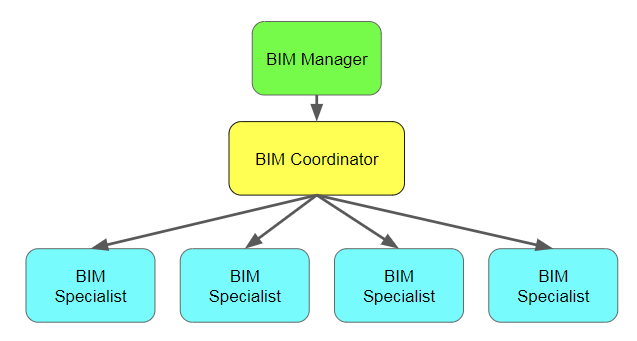
The construction industry is undergoing a significant transformation with the adoption of Building Information Modelling (BIM). As a result, the demand for skilled professionals who can manage and implement BIM is on the rise. A BIM Manager plays a crucial role in construction project management, overseeing the entire project lifecycle and ensuring seamless collaboration among stakeholders. By becoming a BIM Manager, individuals can future-proof their careers and stay ahead of the curve in the rapidly evolving construction industry, with opportunities for professional growth and increased earning potential. This role requires a unique blend of technical and managerial skills.

Unlocking the Potential of BIM Management in Construction Project Management
As the construction industry continues to evolve, the demand for skilled professionals who can effectively manage construction projects using Building Information Modeling (BIM) is on the rise. BIM managers play a crucial role in ensuring the successful implementation of BIM technology in construction projects, from planning to execution. To become a BIM manager, one must possess a combination of technical, business, and leadership skills. In this context, we will explore the key aspects of becoming a BIM manager and the benefits of pursuing this career path.
Understanding the Role of a BIM Manager
A BIM manager is responsible for overseeing the adoption and implementation of BIM technology in construction projects. This involves developing and implementing BIM protocols, managing data exchange, and ensuring that all stakeholders are trained and equipped to use BIM software. The BIM manager must also coordinate with architects, engineers, contractors, and other stakeholders to ensure that the project is completed on time, within budget, and to the required quality standards. Effective communication, collaboration, and problem-solving skills are essential for success in this role.
Key Skills and Qualifications Required
To become a successful BIM manager, one must possess a range of skills and qualifications, including: A degree in architecture, engineering, construction management, or a related field Proficiency in BIM software such as Autodesk Revit, Graphisoft ArchiCAD, or Trimble Navisworks Strong understanding of construction methods, materials, and protocols Excellent communication, leadership, and project management skills Ability to work collaboratively in a team environment and build strong relationships with stakeholders
Benefits of Becoming a BIM Manager
Becoming a BIM manager can offer numerous benefits, including: Competitive salary and benefits packages Opportunities for career advancement and professional growth The ability to work on complex and challenging projects that require innovative solutions The satisfaction of knowing that one's work is contributing to the development of sustainable and efficient buildings and infrastructure The opportunity to work with cutting-edge technology and stay up-to-date with the latest industry trends
Industry Trends and Future Outlook
The construction industry is undergoing significant changes, driven by advances in technology, changes in government regulations, and shifting consumer demands. Some of the key trends that are likely to impact the BIM management profession include: The increasing adoption of cloud-based BIM and collaborative workflows The growing importance of data management and analysis in construction projects The need for increased sustainability and energy efficiency in building design and construction The potential for artificial intelligence and machine learning to transform the construction industry
Education and Training Opportunities
There are numerous education and training opportunities available for those who want to become BIM managers, including: Degree programs in construction management, architecture, and engineering Certification programs in BIM management, such as the Certified BIM Manager (CBM) designation Online courses and workshops that focus on specific aspects of BIM management, such as data management or collaborative workflows Industry events and conferences that provide opportunities for networking and professional development
| Education/Training | Duration | Cost |
|---|---|---|
| Degree program | 4 years | $10,000 - $20,000 per year |
| Certification program | 6 months - 1 year | $1,000 - $5,000 |
| Online course | 1-3 months | $500 - $2,000 |
How do you become a BIM manager?
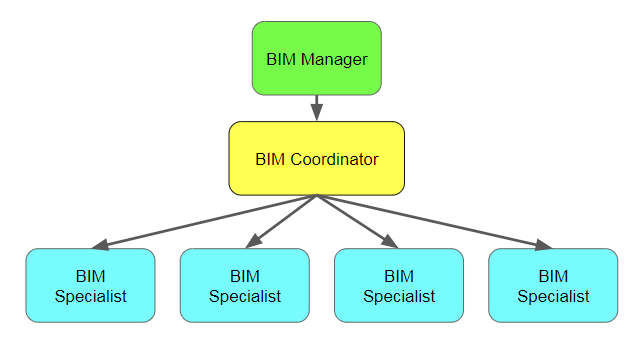
To become a BIM manager, one must acquire a combination of technical, business, and leadership skills. A BIM manager is responsible for implementing and managing Building Information Modeling (BIM) processes within an organization. This involves developing and maintaining BIM protocols, training staff, and ensuring that BIM is integrated into all aspects of the organization.
Education and Training
To become a BIM manager, one typically needs a strong educational background in architecture, engineering, or a related field, as well as specialized training in BIM. This can include certification programs, workshops, and online courses that focus on BIM software, methodologies, and best practices. Some key skills and knowledge areas for a BIM manager include:
- Proficiency in BIM software such as Autodesk Revit, Graphisoft ArchiCAD, or Trimble Navisworks
- Understanding of BIM standards and protocols, such as COBie and IFC
- Experience with data management and collaboration tools, such as Common Data Environment (CDE) platforms
Technical Skills and Experience
A BIM manager must have a strong foundation in technical skills, including computer-aided design (CAD), building information modeling (BIM), and computer-aided engineering (CAE). They must also have experience working on complex projects, managing large datasets, and troubleshooting technical issues. Some key technical skills and experience areas for a BIM manager include:
- Expertise in BIM authoring tools, such as Autodesk Revit or Graphisoft ArchiCAD
- Familiarity with data analysis and visualization tools, such as Excel or Tableau
- Experience with project management tools, such as Asana or Trello
Leadership and Communication Skills
A BIM manager must also possess strong leadership and communication skills, as they will be working with cross-functional teams, stakeholders, and clients to implement and manage BIM processes. They must be able to communicate complex technical information in a clear and concise manner, as well as build and maintain strong relationships with team members and stakeholders. Some key leadership and communication skills for a BIM manager include:
- Strong verbal and written communication skills
- Ability to build and manage high-performing teams
- Experience with change management and process improvement initiatives
How to become a BIM professional?
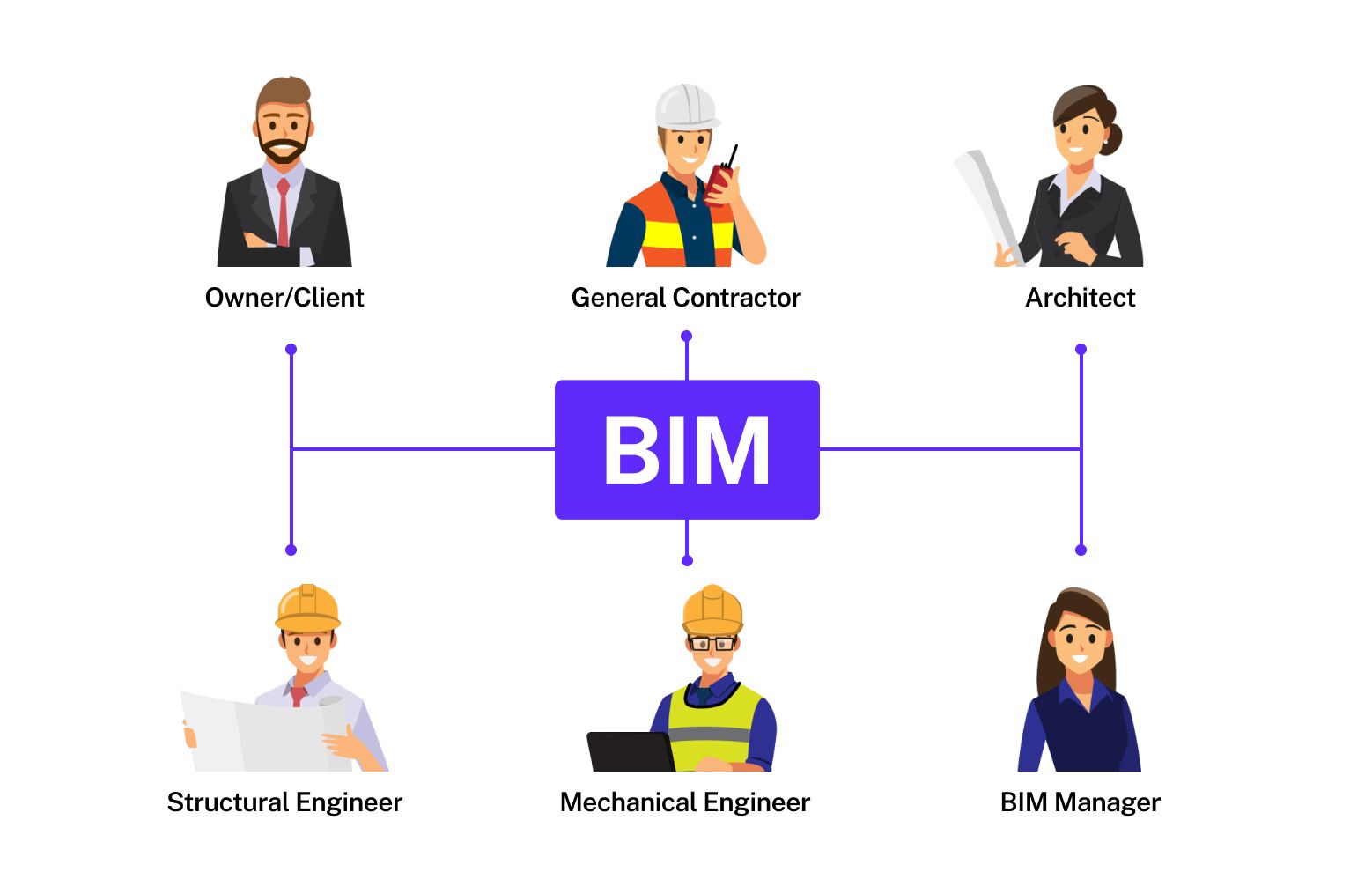
To become a BIM (Building Information Modeling) professional, one needs to acquire a combination of technical skills, knowledge of industry standards, and experience working on BIM projects. This involves learning BIM software such as Autodesk Revit, Graphisoft ArchiCAD, or Trimble Navisworks, and understanding how to apply BIM principles to real-world projects. A strong foundation in architecture, engineering, or construction is also essential, as BIM professionals need to understand the design and construction process to effectively implement BIM.
Education and Training
To become a BIM professional, it's essential to have a solid educational background in a field related to architecture, engineering, or construction. Additionally, BIM-specific training and certifications can help individuals develop the necessary skills to succeed in this field. Some key areas to focus on include:
- Learning BIM software and tools, such as Autodesk Revit or Graphisoft ArchiCAD
- Understanding BIM concepts and principles, including data management and collaboration
- Developing skills in construction methods and materials, as well as building codes and regulations
Having a strong educational foundation and staying up-to-date with the latest BIM trends and technologies is crucial for success in this field.
Industry Experience and Certification
Gaining industry experience is critical for BIM professionals, as it allows them to apply theoretical knowledge to real-world projects. Certification programs, such as the Autodesk Certified User or Autodesk Certified Professional certifications, can also demonstrate an individual's expertise and commitment to the field. Key areas to focus on include:
- Gaining experience working on BIM projects, including design, construction, and project management
- Developing skills in collaboration and communication, including working with cross-functional teams
- Staying current with industry developments and technological advancements, including new BIM software and tools
By combining education, training, and experience, individuals can develop the skills and knowledge needed to succeed as BIM professionals.
Specialized Skills and Knowledge
BIM professionals need to possess a range of specialized skills and knowledge, including data management, content creation, and analysis. Some key areas to focus on include:
- Developing skills in data management, including data organization and analysis
- Learning content creation techniques, including creating families and templates in BIM software
- Understanding analysis techniques, including energy analysis and structural analysis
By acquiring these specialized skills and staying up-to-date with the latest BIM trends and technologies, individuals can become highly effective BIM professionals and make significant contributions to the architecture, engineering, and construction industries.
What is the highest salary of a BIM manager?

The highest salary of a BIM (Building Information Modeling) manager can vary depending on factors such as location, industry, experience, and company size. According to various sources, the average salary range for a BIM manager is between $80,000 and $140,000 per year. However, some senior BIM managers can earn up to $200,000 or more per year, especially in large construction companies or architectural firms.
Salary Variations by Location
The salary of a BIM manager can vary significantly depending on the location. For example, BIM managers working in major cities such as New York or San Francisco tend to earn higher salaries than those working in smaller cities or towns. Here are some factors that can affect salary variations by location:
- Cost of living: Cities with a high cost of living tend to offer higher salaries to compensate for the expensive housing and living expenses.
- Industry demand: Cities with a high demand for BIM managers, such as those with a large construction industry, tend to offer higher salaries to attract top talent.
- Company size: Large companies tend to offer higher salaries than smaller companies, especially if they have a large BIM team.
Salary Variations by Industry
The salary of a BIM manager can also vary depending on the industry. For example, BIM managers working in the construction industry tend to earn higher salaries than those working in the architecture industry. Here are some factors that can affect salary variations by industry:
- Project complexity: Industries that involve complex projects, such as large-scale construction or infrastructure projects, tend to offer higher salaries to BIM managers who can handle the technical demands.
- Software requirements: Industries that require specialized BIM software, such as Autodesk Revit or Graphisoft ArchiCAD, tend to offer higher salaries to BIM managers who have expertise in those software tools.
- Team size: Industries that have large BIM teams tend to offer higher salaries to BIM managers who can lead and manage teams effectively.
Skills and Qualifications
The salary of a BIM manager can also depend on the individual's skills and qualifications. For example, BIM managers with advanced degrees or certifications tend to earn higher salaries than those without. Here are some skills and qualifications that can affect salary:
- Technical skills: BIM managers with expertise in BIM software, programming languages, and data analysis tend to earn higher salaries.
- Leadership skills: BIM managers with strong leadership and communication skills tend to earn higher salaries, especially if they can manage teams and coordinate projects effectively.
- Industry experience: BIM managers with extensive industry experience tend to earn higher salaries, especially if they have a strong network of contacts and knowledge of industry trends.
What is the career progression of a BIM manager?

The career progression of a BIM manager typically involves a series of roles that build upon each other, with increasing levels of responsibility and expertise. A BIM manager is responsible for overseeing the implementation and use of Building Information Modeling (BIM) technology in architectural, engineering, and construction projects.
Entry-Level Roles
In the early stages of their career, a BIM manager may start as a BIM technician or BIM coordinator, assisting in the creation and management of BIM models. As they gain experience, they may move into a BIM specialist role, where they are responsible for developing and implementing BIM standards and best practices. Some key responsibilities and skills for entry-level roles include:
- Assisting in the creation and management of BIM models
- Developing and implementing BIM standards and best practices
- Collaborating with project teams to ensure BIM is integrated into project workflows
Mid-Level Roles
As a BIM manager gains more experience, they may move into a senior BIM coordinator or BIM leader role, where they are responsible for overseeing the BIM efforts on multiple projects. In this role, they will need to have strong leadership and communication skills, as well as the ability to manage and mentor junior staff. Some key responsibilities and skills for mid-level roles include:
- Overseeing the BIM efforts on multiple projects
- Developing and implementing BIM training programs for staff
- Collaborating with senior management to develop BIM strategies and roadmaps
Senior-Level Roles
At the senior level, a BIM manager may move into a director of BIM or chief technology officer role, where they are responsible for developing and implementing BIM strategies and roadmaps for the entire organization. In this role, they will need to have strong strategic thinking and business acumen, as well as the ability to lead and manage large teams. Some key responsibilities and skills for senior-level roles include:
- Developing and implementing BIM strategies and roadmaps
- Overseeing the development and implementation of new technologies
- Collaborating with senior management to develop business and technology strategies
More information
What is a BIM Manager and what are their key responsibilities?
A BIM Manager is a professional responsible for overseeing the implementation and maintenance of Building Information Modeling (BIM) systems in construction projects. Their key responsibilities include developing and managing project plans, coordinating with stakeholders, and ensuring that all project deliverables are met. A BIM Manager must have a strong understanding of BIM software and construction processes, as well as excellent communication and project management skills. They must also be able to analyze and resolve complex problems, and make informed decisions to ensure the successful completion of construction projects. By becoming a BIM Manager, individuals can future-proof their careers and stay ahead of the curve in the rapidly evolving construction industry.
What skills and qualifications are required to become a BIM Manager?
To become a BIM Manager, individuals typically require a combination of technical, business, and soft skills. They must have a strong foundation in BIM software and construction principles, as well as experience with project management and collaboration tools. A degree in a field such as architecture, engineering, or construction management is often preferred, and certifications in BIM or project management can be beneficial. Additionally, BIM Managers must possess excellent communication and problem-solving skills, as well as the ability to lead and manage teams. By acquiring these skills and qualifications, individuals can position themselves for success as a BIM Manager and take their careers to the next level in the construction industry.
How can becoming a BIM Manager future-proof my career in construction project management?
Becoming a BIM Manager can future-proof an individual's career in construction project management by providing them with a unique combination of technical and business skills. As the construction industry continues to evolve and adopt new technologies, the demand for skilled BIM Managers is expected to increase. By acquiring BIM and project management skills, individuals can position themselves for success in a rapidly changing industry and stay ahead of the curve. Additionally, BIM Managers are often involved in high-profile construction projects, which can provide opportunities for career advancement and professional growth. By becoming a BIM Manager, individuals can ensure that their careers remain relevant and in-demand, and that they are well-positioned to take on leadership roles in the construction industry.
What are the benefits of pursuing a career as a BIM Manager in the construction industry?
Pursuing a career as a BIM Manager in the construction industry can offer a range of benefits, including competitive salaries, job security, and opportunities for advancement. BIM Managers are in high demand, and their skills are transferable across different sectors and regions. Additionally, the construction industry is expected to continue growing and evolving, which can provide BIM Managers with a sense of job satisfaction and fulfillment. By becoming a BIM Manager, individuals can also develop a strong network of contacts and peers, which can be beneficial for career advancement and professional growth. Furthermore, BIM Managers have the opportunity to work on high-profile projects and make a meaningful impact on the built environment, which can be a rewarding and challenging ...