
Master Data Management: Key Skills for the Information Age and Big Data

In the era of Big Data, organizations face significant challenges in managing and leveraging their vast amounts of information. Master Data Management (MDM) has emerged as a crucial discipline to address these challenges. Effective MDM requires a unique blend of technical, business, and analytical skills to ensure data quality, integrity, and consistency. As data continues to grow in volume and complexity, the demand for professionals with expertise in MDM is on the rise. Key skills such as data governance, data quality, and data analytics are essential for success in this field, driving business value and informed decision-making.

Master Data Management: Key Skills for the Information Age and Big Data
In the era of Big Data, organizations are generating and collecting vast amounts of data from various sources. To manage this data effectively, Master Data Management (MDM) has become a critical component of any organization's data strategy. MDM is the process of creating a single, unified view of an organization's data, which can be used to support business decisions, improve data quality, and reduce data-related risks. To implement MDM successfully, organizations need to possess certain key skills, including data governance, data quality, data architecture, data integration, and data analytics.
Understanding Master Data Management
Master Data Management is a comprehensive approach to managing an organization's data assets. It involves creating a single source of truth for all data, which can be used to support business decisions and improve data quality. MDM typically involves the following components: data governance, data quality, data architecture, data integration, and data analytics. By implementing MDM, organizations can improve their ability to manage big data, reduce data-related risks, and improve business outcomes.
Data Governance and Quality
Data governance is the process of managing an organization's data assets to ensure that they are accurate, complete, and consistent. It involves establishing policies, procedures, and standards for data management, as well as assigning data ownership and accountability. Data quality is a critical component of data governance, as it ensures that data is accurate, complete, and consistent. To improve data quality, organizations can implement data validation, data cleansing, and data normalization techniques.
Data Architecture and Integration
Data architecture refers to the design and structure of an organization's data assets. It involves creating a data model that defines the relationships between different data entities, as well as establishing data standards and data formats. Data integration is the process of combining data from multiple sources into a single, unified view. It involves using data integration tools and techniques, such as ETL (Extract, Transform, Load), to combine data from multiple sources.
Big Data and Analytics
Big Data refers to the large amounts of data that organizations generate and collect from various sources. To manage big data effectively, organizations need to implement big data analytics tools and techniques, such as Hadoop and NoSQL databases. These tools enable organizations to process and analyze large amounts of data, and to gain insights into business trends and patterns.
Key Skills for Master Data Management
To implement MDM successfully, organizations need to possess certain key skills, including:
| Skill | Description |
|---|---|
| Data Governance | Managing an organization's data assets to ensure accuracy, completeness, and consistency |
| Data Quality | Ensuring that data is accurate, complete, and consistent |
| Data Architecture | Designing and structuring an organization's data assets |
| Data Integration | Combining data from multiple sources into a single, unified view |
| Data Analytics | Using tools and techniques to analyze and gain insights from data |
These key skills are essential for implementing MDM successfully, and for managing big data effectively. By possessing these skills, organizations can improve their ability to manage data, reduce data-related risks, and improve business outcomes.
What are MDM skills?
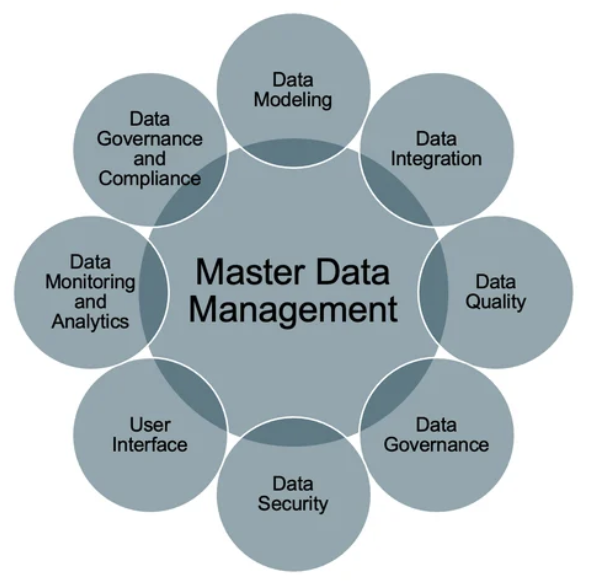
MDM skills refer to the abilities and knowledge required to manage and maintain Mobile Device Management systems, which are used to secure, monitor, and control mobile devices used in an organization. These skills are essential for IT professionals who need to ensure the security and compliance of mobile devices, as well as manage and support their use within the organization.
Key Components of MDM Skills
MDM skills encompass a range of technical and administrative abilities, including the ability to configure and manage mobile devices, implement security policies, and troubleshoot issues. Some key components of MDM skills include:
- Device management: the ability to manage and configure mobile devices, including setting up and managing device profiles, configuring email and Wi-Fi settings, and implementing security policies.
- Security management: the ability to implement and manage security measures, such as encryption, firewalls, and access controls, to protect mobile devices and data from unauthorized access.
- Troubleshooting: the ability to identify and resolve issues with mobile devices, including technical issues and configuration problems.
Benefits of MDM Skills
Having strong MDM skills can bring numerous benefits to an organization, including improved security, increased productivity, and better compliance with regulatory requirements. With MDM skills, IT professionals can:
- Ensure data security: by implementing security measures and access controls to protect sensitive data and prevent unauthorized access.
- Streamline device management: by automating tasks and implementing efficient management processes to reduce the administrative burden.
- Support remote work: by providing secure and reliable access to mobile devices and data, enabling employees to work remotely and stay productive.
Best Practices for Developing MDM Skills
To develop strong MDM skills, IT professionals should follow best practices, including staying up-to-date with the latest technologies and trends, and participating in ongoing training and professional development. Some best practices for developing MDM skills include:
- Stay current with industry developments: by attending conferences, workshops, and webinars to stay informed about the latest technologies and trends.
- Participate in hands-on training: by completing practical exercises and simulations to gain hands-on experience with MDM systems and devices.
- Join online communities: by participating in online forums and discussion groups to connect with other IT professionals and share knowledge and experiences.
What is MDM in big data?
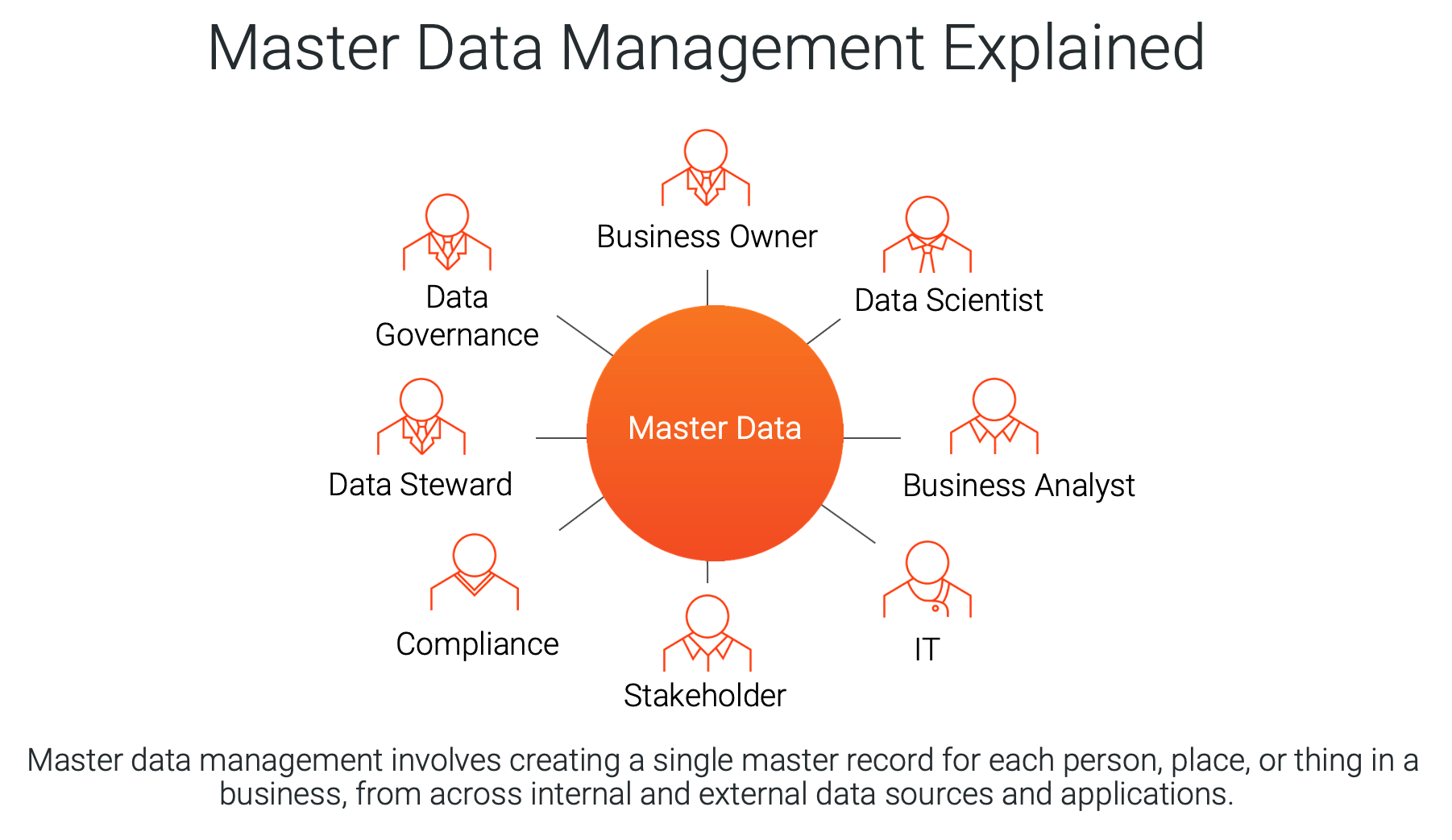
MDM in big data refers to Master Data Management, which is a comprehensive methodology that ensures a single, unified view of an organization's master data. This data includes customer, product, supplier, and location information, among others. Effective MDM is critical in the big data era, as it enables organizations to make informed decisions, improve operational efficiency, and reduce risks.
Benefits of MDM in Big Data
The benefits of MDM in big data are numerous. Some of the key advantages include:
- Improved data quality and data governance, which are essential for making informed decisions
- Enhanced data integration and data consolidation, which enable organizations to have a single, unified view of their master data
- Increased data security and compliance, which are critical in the big data era where data breaches and cyber attacks are common
MDM in big data helps organizations to overcome the challenges of data silos, data duplication, and data inconsistencies, which can lead to poor decision-making and inefficient operations.
MDM Architecture in Big Data
The MDM architecture in big data typically consists of several components, including data sources, data storage, data processing, and data analytics. The architecture is designed to support the ingestion, processing, and analysis of large volumes of structured and unstructured data. Some of the key components of the MDM architecture include:
- Data warehouses and data lakes, which provide a centralized repository for storing and managing master data
- Data integration tools, which enable the integration of data from multiple sources and formats
- Data quality tools, which help to ensure the accuracy, completeness, and consistency of master data
The MDM architecture in big data must be scalable, flexible, and secure, to support the rapidly changing needs of organizations.
Best Practices for MDM in Big Data
To implement MDM in big data effectively, organizations must follow best practices, including:
- Define a clear MDM strategy, which aligns with the organization's overall business strategy and goals
- Establish a strong data governance framework, which ensures the quality, security, and compliance of master data
- Implement a robust MDM technology platform, which supports the ingestion, processing, and analysis of large volumes of master data
By following these best practices, organizations can ensure that their MDM initiatives in big data are successful and deliver tangible benefits, including improved operational efficiency, better decision-making, and increased competitiveness.
What are the 4 C's of data management?
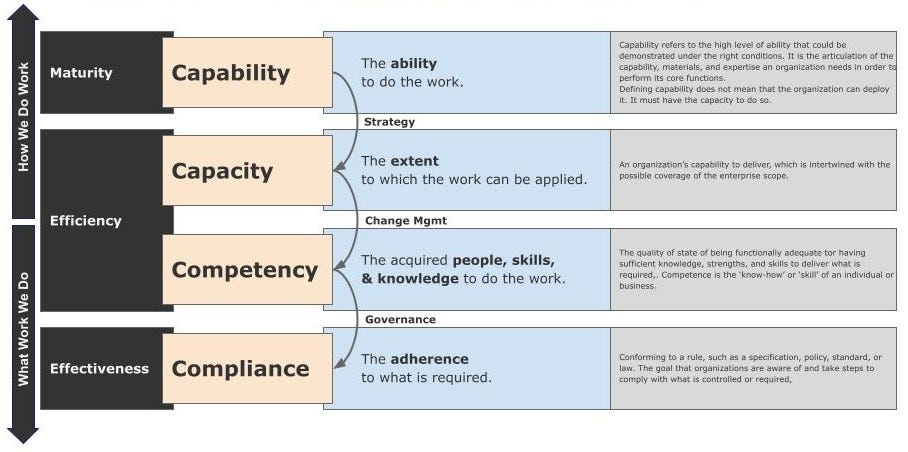
The 4 C's of data management are Consistency, Completeness, Correctness, and Currency. These four principles are essential for ensuring that data is accurate, reliable, and usable. Data management is a critical aspect of any organization, as it enables informed decision-making, improves operational efficiency, and reduces risks.
Data Quality Dimensions
The 4 C's of data management are closely related to data quality dimensions, which are the characteristics that define the accuracy, completeness, and reliability of data. To achieve high-quality data, organizations must focus on the following aspects:
- Data governance: Establishing policies and procedures to ensure data quality and security
- Data validation: Verifying data against predefined rules and constraints to ensure accuracy and completeness
- Data normalization: Transforming data into a standardized format to improve consistency and reduce errors
Benefits of Effective Data Management
Effective data management is crucial for organizations to achieve their goals and objectives. By implementing the 4 C's of data management, organizations can reap numerous benefits, including:
- Improved decision-making: Accurate and reliable data enables informed decision-making and reduces the risk of errors
- Increased efficiency: Automated data processes and data integration improve operational efficiency and reduce manual errors
- Enhanced customer experience: High-quality data enables organizations to provide personalized services and improve customer satisfaction
Challenges of Implementing the 4 C's
Implementing the 4 C's of data management can be challenging, especially for organizations with complex data systems and legacy infrastructure. Some of the common challenges include:
- Data silos: Integrating data from disparate sources and systems to ensure data consistency and completeness
- Data noise: Identifying and removing data errors and inconsistencies to ensure data correctness
- Data security: Protecting sensitive data from cyber threats and ensuring data privacy and compliance
What are data management skills?

Data management skills refer to the ability to collect, organize, and maintain data in a way that is efficient, secure, and accessible. This includes a range of skills, from data analysis and interpretation to data storage and retrieval. Effective data management is critical in today's data-driven world, where organizations rely on accurate and timely data to make informed decisions.
Data Management Fundamentals
Data management fundamentals include the ability to design and implement data management systems, as well as to evaluate and improve existing systems. This requires a strong understanding of data modeling, data warehousing, and data governance. Some key skills in this area include:
- Data architecture: the ability to design and implement data management systems that meet the needs of the organization
- Data quality: the ability to ensure that data is accurate, complete, and consistent
- Data security: the ability to protect data from unauthorized access and data breaches
Data Analysis and Interpretation
Data analysis and interpretation skills are critical in data management, as they enable organizations to extract insights from their data and make informed decisions. This includes the ability to apply statistical techniques, create data visualizations, and communicate findings to stakeholders. Some key skills in this area include:
- Statistical analysis: the ability to apply statistical techniques to identify trends and patterns in data
- Data visualization: the ability to create clear and informative visualizations of data
- Storytelling: the ability to communicate complex data insights in a clear and compelling way
Tools and Technologies
Data management tools and technologies are constantly evolving, and it's essential to stay up-to-date with the latest trends and innovations. This includes a range of skills, from database management to cloud computing and artificial intelligence. Some key skills in this area include:
- Database management: the ability to design and implement relational and non-relational databases
- Cloud computing: the ability to deploy and manage data management systems in the cloud
- Machine learning: the ability to apply machine learning algorithms to predictive modeling and data analysis
More information
What is Master Data Management and its importance in the Information Age?
Master Data Management (MDM) is a comprehensive method to define, deploy, and maintain consistent and accurate data across an organization. In the Information Age, MDM plays a crucial role in ensuring that data is reliable, secure, and accessible to all stakeholders. With the exponential growth of Big Data, organizations are generating vast amounts of data from various sources, making it challenging to manage and maintain data consistency. Effective MDM helps organizations to establish a single, unified view of their master data, enabling them to make informed decisions, improve operational efficiency, and reduce risks associated with data inconsistencies. By implementing MDM, organizations can ensure that their data is trusted, up-to-date, and relevant, which is essential for driving business success in today's data-driven world.
What are the key skills required for Master Data Management in the context of Big Data?
To implement effective Master Data Management in the context of Big Data, organizations require a range of technical, business, and analytical skills. Data governance is a critical aspect of MDM, and professionals with expertise in data quality, data security, and compliance are in high demand. Additionally, skills in data architecture, data modeling, and data integration are essential for designing and implementing MDM solutions that can handle large volumes of structured and unstructured data. Data analysts and data scientists with expertise in machine learning, statistics, and data visualization are also crucial for extracting insights from Big Data and making data-driven decisions. Furthermore, communication and collaboration skills are vital for ensuring that MDM initiatives are aligned with business objectives and that all stakeholders are engaged and informed throughout the process.
How does Master Data Management support Big Data analytics and business intelligence?
Master Data Management plays a vital role in supporting Big Data analytics and business intelligence by providing a single, unified view of an organization's master data. By ensuring that data is accurate, complete, and consistent, MDM enables organizations to trust their data and make informed decisions based on data-driven insights. Effective MDM also helps to reduce data complexity, making it easier to integrate and analyze large volumes of structured and unstructured data from various sources. Furthermore, MDM enables organizations to establish a common language across different business functions, ensuring that everyone is talking about the same thing when it comes to key performance indicators (KPIs) and business metrics. By providing a solid foundation for Big Data analytics, MDM helps organizations to unlock the full potential of their data and drive business success through data-driven decision-making.
What are the benefits of implementing Master Data Management in an organization with large amounts of Big Data?
Implementing Master Data Management in an organization with large amounts of Big Data can have numerous benefits, including improved data quality, increased efficiency, and enhanced decision-making. By establishing a single, unified view of their master data, organizations can reduce data inconsistencies, improve data governance, and enhance data security. Effective MDM also enables organizations to improve operational efficiency, reduce costs, and increase revenue by making data-driven decisions and optimizing business processes. Additionally, MDM helps organizations to comply with regulatory requirements, mitigate risks, and improve customer satisfaction by providing accurate and consistent data across all touchpoints. Overall, implementing MDM can help organizations to unlock the full potential of their Big Data, drive business success, and stay competitive in today's data-driven world.