
What is BIM Management? Understand Why a Master's is Crucial in the AEC Industry
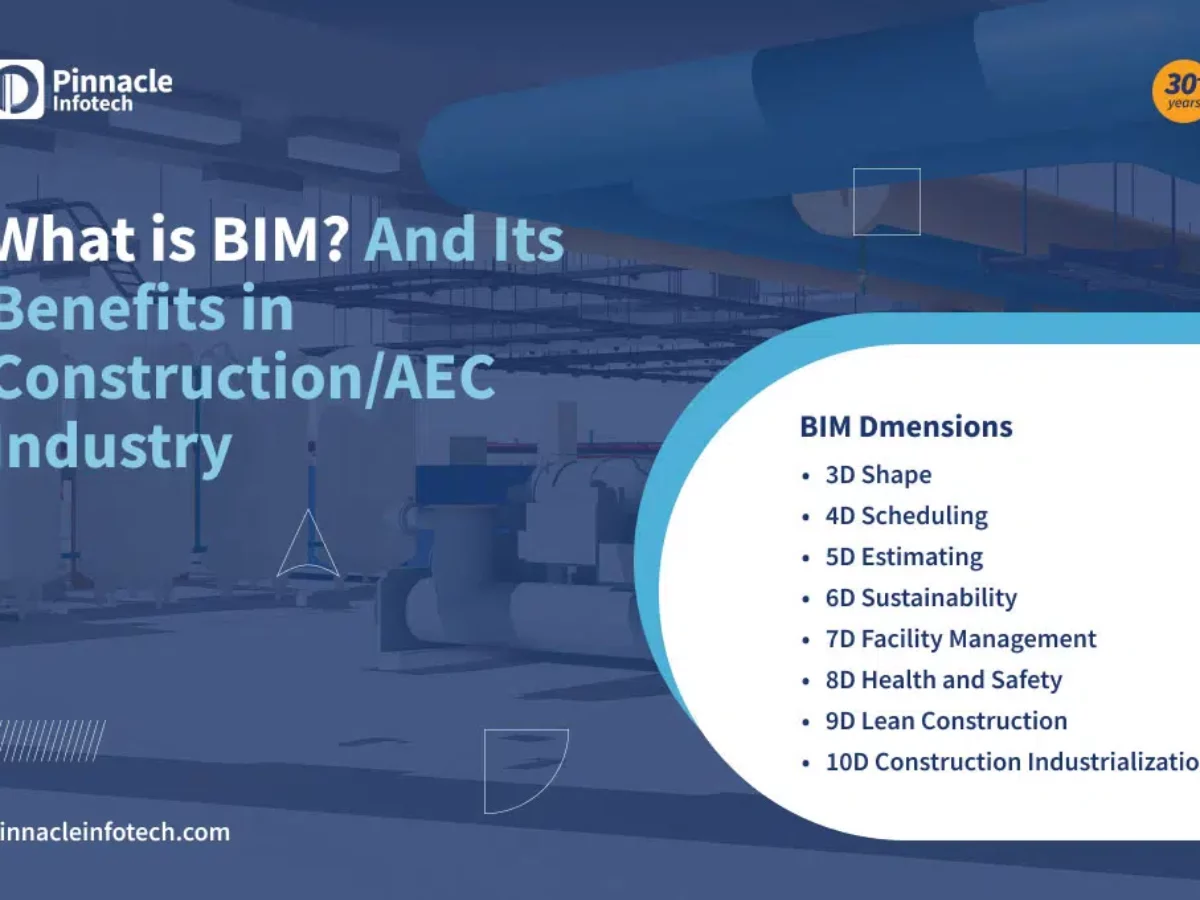
The Architecture, Engineering, and Construction (AEC) industry has undergone a significant transformation with the advent of Building Information Modelling (BIM). BIM management plays a vital role in this digital revolution, enabling efficient collaboration and data-driven decision-making. As the industry continues to evolve, the demand for skilled professionals with a deep understanding of BIM principles and practices is on the rise. Pursuing a Master's degree in BIM management can provide individuals with the expertise and knowledge required to excel in this field and stay ahead of the curve in the AEC industry's rapidly changing landscape.
Understanding BIM Management in the AEC Industry
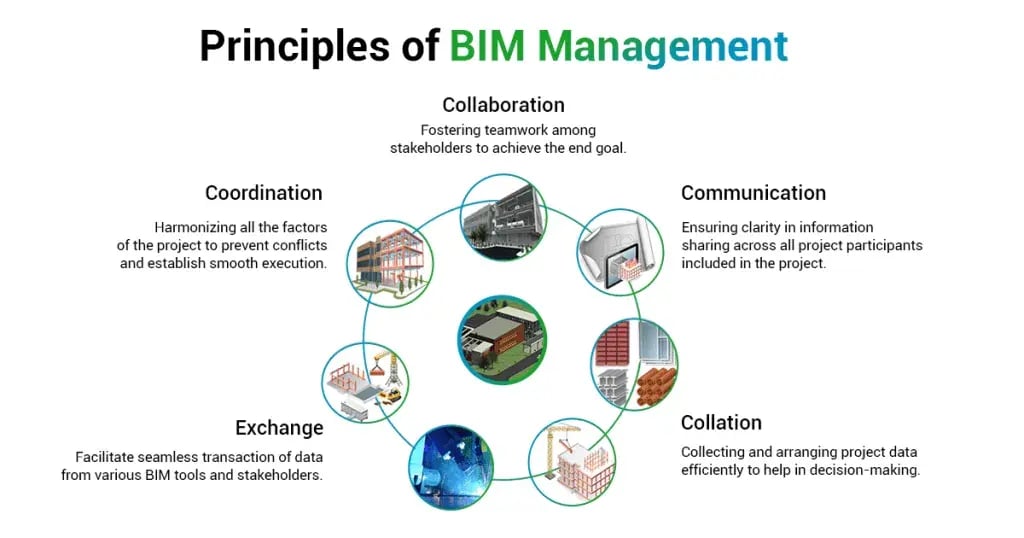
The AEC (Architecture, Engineering, and Construction) industry has undergone significant transformations in recent years, with the adoption of Building Information Modeling (BIM) being a key driver of change. BIM management refers to the process of creating, managing, and utilizing digital models of buildings and infrastructure projects. This approach enables collaboration, coordination, and communication among stakeholders, resulting in improved project outcomes and reduced costs.
Introduction to BIM Management
BIM management involves the use of software and technologies to create detailed digital models of buildings and infrastructure projects. These models contain geometric, topological, and semantic information, allowing for the simulation and analysis of various aspects of the project, such as energy efficiency, structural integrity, and sustainability. Effective BIM management requires a deep understanding of the AEC industry, as well as the ability to integrate and coordinate multiple stakeholders and disciplines.
Benefits of BIM Management
The benefits of BIM management are numerous and well-documented. Some of the most significant advantages include improved collaboration, reduced errors, and increased efficiency. By using digital models, stakeholders can visualize and analyze the project in greater detail, reducing the likelihood of conflicts and miscommunication. Additionally, BIM management enables the early detection of design errors and constructability issues, allowing for corrective action to be taken before construction begins.
Key Components of BIM Management
Effective BIM management involves several key components, including model creation, data management, and collaboration. The creation of accurate and detailed digital models is critical, as is the management of data and information throughout the project lifecycle. Collaboration among stakeholders is also essential, requiring the use of communication and coordination tools to ensure that all parties are working together effectively.
Role of a Master's in BIM Management
A Master's degree in BIM management is crucial for individuals seeking to advance their careers in the AEC industry. This advanced degree provides students with the knowledge, skills, and expertise needed to manage and coordinate complex BIM projects. Coursework typically includes topics such as BIM software, data management, collaboration, and project management, preparing graduates for leadership roles in the industry.
Future of BIM Management
The future of BIM management is exciting and rapidly evolving. Advances in technology, such as artificial intelligence and machine learning, are expected to further transform the AEC industry. The use of cloud-based and mobile technologies will also become more prevalent, enabling greater collaboration and coordination among stakeholders. As the industry continues to evolve, the demand for skilled BIM professionals will only continue to grow.
| Software | Functionality |
|---|---|
| Autodesk Revit | BIM creation and management |
| Graphisoft ArchiCAD | BIM modeling and analysis |
| Trimble Navisworks | Collaboration and coordination |
| Oracle Aconex | Data management and collaboration |
| Bentley Systems MicroStation | CAD and BIM design |
Why is BIM important in the AEC industry?
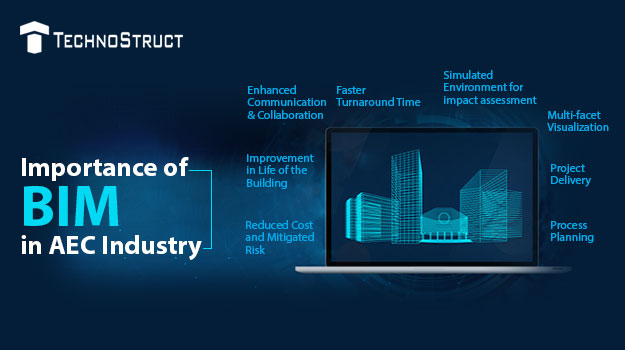
Building Information Modeling (BIM) is a digital representation of the physical and functional characteristics of a building or infrastructure project. It is a crucial tool in the Architecture, Engineering, and Construction (AEC) industry, as it enables the creation, management, and sharing of detailed digital models of buildings and infrastructure projects. This allows for greater accuracy, efficiency, and collaboration among stakeholders, ultimately leading to better project outcomes.
Improved Collaboration and Communication
BIM facilitates seamless collaboration and communication among architects, engineers, contractors, and other stakeholders. By creating a shared digital model, all parties can access and contribute to the project design, reducing errors and miscommunication. This leads to a more coordinated and efficient construction process, with fewer delays and cost overruns. Some benefits of BIM-enabled collaboration include:
- Enhanced visualization and understanding of the project design
- Improved coordination and clash detection among different disciplines
- Increased transparency and accountability among stakeholders
Enhanced Design and Analysis Capabilities
BIM offers advanced design and analysis capabilities, enabling architects and engineers to create more complex and sustainable buildings. With BIM, designers can simulate various scenarios, analyze building performance, and optimize energy efficiency. This leads to better design decisions, reduced energy consumption, and improved occupant comfort. Some benefits of BIM-enabled design and analysis include:
- Improved energy efficiency and sustainability through simulations and analysis
- Enhanced structural and mechanical system design and optimization
- Increased accuracy and detailing of construction documents and shop drawings
Increased Efficiency and Productivity
BIM can significantly streamline construction processes, reducing waste and inefficiencies. By creating a digital model of the building, contractors can better plan and execute construction activities, reducing delays and cost overruns. This leads to improved productivity, increased quality, and reduced project timelines. Some benefits of BIM-enabled construction include:
- Improved site planning and logistics through 4D and 5D modeling
- Increased accuracy and precision in construction activities through laser scanning and GPS
- Enhanced quality control and assurance through digital inspections and testing
What is BIM and why is it important?

Building Information Modeling (BIM) is a digital representation of the physical and functional characteristics of a building or infrastructure project. It is a collaborative process that involves creating and managing digital models of a project during its entire lifecycle, from design to construction and operation. BIM is important because it allows architects, engineers, contractors, and owners to work together more efficiently and effectively, reducing errors and costs, and improving the overall quality of the project.
Benefits of BIM
The benefits of BIM are numerous and include improved productivity, enhanced collaboration, and increased accuracy. Some of the key benefits of BIM include:
- Improved communication and coordination among team members
- Enhanced visualization and simulation of the project
- Reduced errors and costs due to clash detection and conflict resolution
BIM allows project teams to identify and resolve potential issues early in the design process, reducing the risk of costly changes and delays during construction.
BIM Implementation
Implementing BIM requires a significant investment in software, hardware, and training. It also requires a change in the way project teams work together, with a focus on collaboration and information sharing. Some of the key steps involved in implementing BIM include:
- Developing a BIM execution plan that outlines the scope, goals, and deliverables of the project
- Creating a digital twin of the project, which is a virtual replica of the physical building or infrastructure
- Using BIM software to create, manage, and analyze the digital model
BIM implementation can be complex and time-consuming, but it can also bring significant benefits to project teams and owners.
BIM Future Developments
The future of BIM is likely to involve increased use of artificial intelligence, machine learning, and Internet of Things (IoT) technologies. These technologies will enable project teams to create more intelligent and responsive buildings, with real-time monitoring and predictive maintenance. Some of the key future developments in BIM include:
- Integration of BIM with computer-aided design (CAD) and computer-aided engineering (CAE) software
- Use of virtual reality (VR) and augmented reality (AR) to enhance visualization and simulation
- Development of open standards for BIM data exchange and interoperability
These developments will enable project teams to create more sustainable, resilient, and adaptive buildings, with improved performance and efficiency.
What is BIM in management?
Building Information Modeling (BIM) in management refers to the use of digital representations of physical and functional characteristics of a building or infrastructure project to facilitate collaboration, communication, and decision-making among stakeholders. BIM is a digital twin of the physical project, allowing for the creation, management, and sharing of precise and detailed information throughout the project lifecycle. This enables efficient and effective management of the project, from design and construction to operation and maintenance.
BIM Benefits in Management
The benefits of BIM in management are numerous, and can be summarized as follows:
- Improved collaboration: BIM enables stakeholders to access and share information in a common data environment, facilitating collaboration and reducing errors.
- Enhanced decision-making: BIM provides a detailed and accurate representation of the project, enabling stakeholders to make informed decisions.
- Increased efficiency: BIM automates many manual processes, reducing the time and cost associated with project management.
BIM benefits in management are primarily focused on improving the overall efficiency and effectiveness of the project management process, through the use of digital technologies and data-driven decision-making.
BIM Implementation in Management
The implementation of BIM in management requires a strategic approach, and can be summarized as follows:
- Define the scope: Clearly define the scope of the BIM implementation, including the stakeholders and systems involved.
- Develop a plan: Develop a detailed plan for the implementation of BIM, including training and support for stakeholders.
- Establish a common data environment: Establish a common data environment to facilitate collaboration and data sharing among stakeholders.
BIM implementation in management requires a structured approach, with a clear plan and strategy for implementing the technology and processes.
BIM Tools and Technologies in Management
The tools and technologies used in BIM management are specialized, and can be summarized as follows:
- BIM software: Autodesk Revit and Graphisoft ArchiCAD are examples of BIM software used for design and construction.
- Collaboration platforms: BIM 360 and Assemble are examples of collaboration platforms used for data sharing and communication.
- Data management systems: COBie and IFC are examples of data management systems used for data exchange and integration.
BIM tools and technologies in management are primarily focused on supporting the creation, management, and sharing of digital information, and enabling collaboration and data-driven decision-making.
What is BIM Masters?
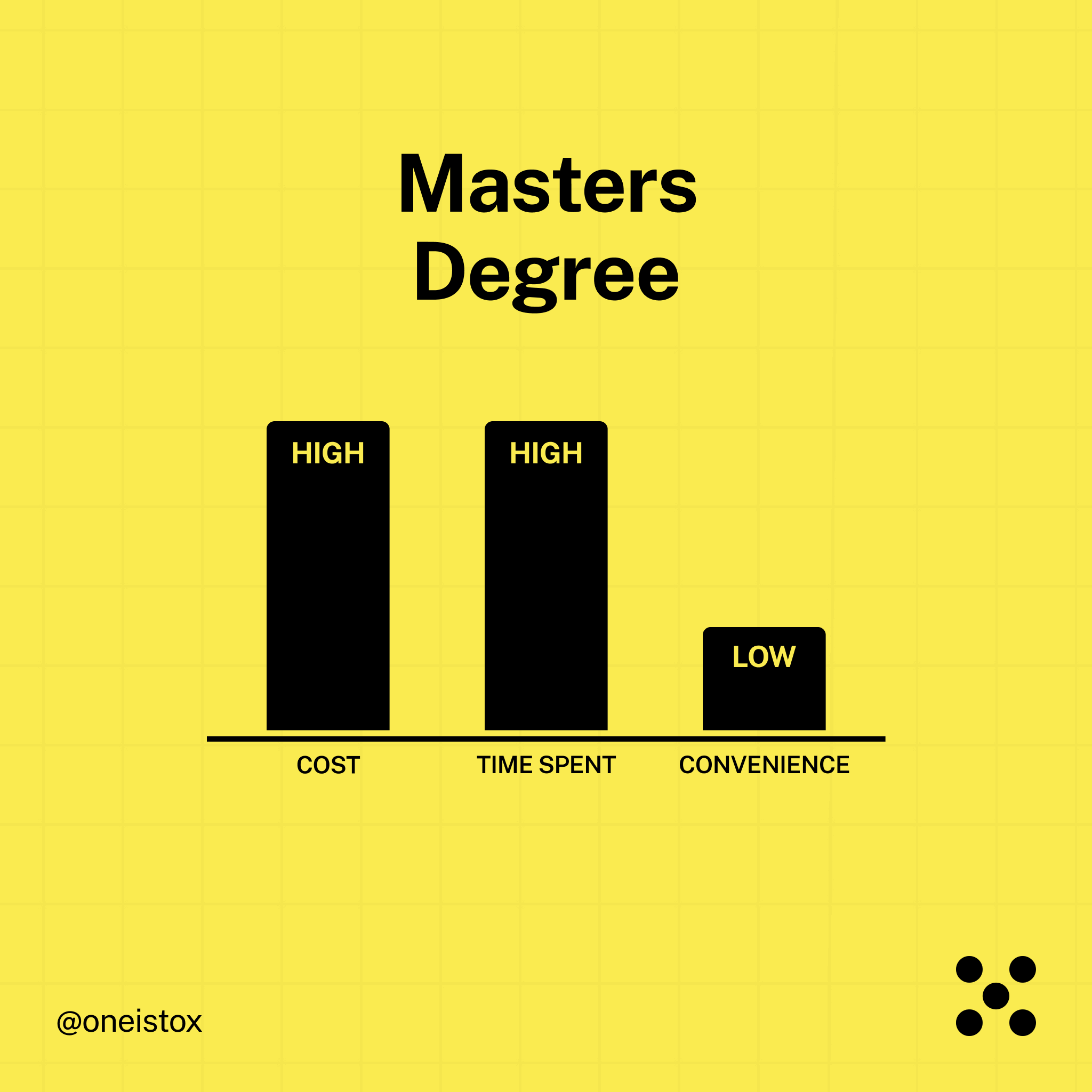
BIM Masters refers to a specialized program or certification in Building Information Modeling (BIM) that focuses on providing advanced knowledge and skills in the use of BIM technologies and methodologies. It is designed for professionals in the architecture, engineering, and construction (AEC) industry who want to enhance their understanding of BIM and its applications in design, construction, and project management. The program typically covers a wide range of topics, including BIM software, data management, collaboration, and integration with other construction technologies.
Benefits of BIM Masters
The BIM Masters program offers several benefits to professionals in the AEC industry, including enhanced career opportunities, improved project outcomes, and increased productivity. By gaining advanced knowledge and skills in BIM, professionals can:
- Improve their understanding of BIM software and its applications in design, construction, and project management
- Enhance their ability to collaborate with other stakeholders in the construction process
- Develop strategies for implementing BIM in their organizations and managing change
The program also provides a comprehensive understanding of BIM standards and best practices, enabling professionals to implement BIM effectively in their projects.
BIM Masters Curriculum
The BIM Masters curriculum typically covers a wide range of topics, including BIM fundamentals, data management, construction operations, and project management. The program may also include courses on BIM software, such as Autodesk Revit, Graphisoft ArchiCAD, and Trimble Navisworks. Additionally, the curriculum may cover topics such as:
- BIM implementation strategies and change management
- Collaboration and communication in BIM-enabled projects
- Data analysis and visualization in BIM
The curriculum is designed to provide professionals with a comprehensive understanding of BIM and its applications in the AEC industry.
Applications of BIM Masters
The BIM Masters program has a wide range of applications in the AEC industry, including architecture, engineering, construction, and project management. Professionals with a BIM Masters certification can work on complex projects that require advanced knowledge and skills in BIM, such as:
- Large-scale construction projects, such as skyscrapers and infrastructure developments
- Complex architectural projects, such as sustainable buildings and historic renovations
- Infrastructure development projects, such as transportation systems and public utilities
The program enables professionals to work on high-profile projects and high-performance teams, and to contribute to the development of BIM standards and best practices in the industry.
More information
What is BIM Management and its Role in the AEC Industry?
BIM (Building Information Modeling) management is the process of overseeing the creation, implementation, and maintenance of digital representations of physical buildings and infrastructure. This complex process involves the use of specialized software and techniques to create detailed digital models that can be used to simulate and analyze various aspects of a building's design, construction, and operation. In the AEC (Architecture, Engineering, and Construction) industry, BIM management plays a crucial role in ensuring that projects are completed on time, within budget, and to the required quality standards. Effective BIM management involves collaboration and communication among all stakeholders, including architects, engineers, contractors, and clients, to ensure that the digital model is accurate, up-to-date, and meets the needs of all parties involved.
Why is a Master's Degree in BIM Management Essential for Career Advancement?
A Master's degree in BIM management is essential for career advancement in the AEC industry because it provides individuals with the advanced knowledge and skills required to manage complex BIM projects. With a Master's degree, individuals can gain a deeper understanding of BIM technologies, construction methods, and project management principles, which are essential for success in this field. Additionally, a Master's degree can provide individuals with the leadership skills and strategic thinking required to manage and coordinate BIM projects, as well as the communication skills needed to collaborate with stakeholders and ensure that projects are completed to the required standards. Furthermore, a Master's degree in BIM management can open up new career opportunities and provide individuals with the competitive edge needed to succeed in this rapidly evolving field.
What Skills and Knowledge are Required to be a Successful BIM Manager?
To be a successful BIM manager, individuals require a combination of technical, business, and soft skills. From a technical perspective, BIM managers need to have a strong understanding of BIM software, such as Autodesk Revit or Graphisoft ArchiCAD, as well as data management and analysis techniques. They also need to have a good understanding of construction methods and materials, as well as building codes and regulations. In terms of business skills, BIM managers need to have a strong understanding of project management principles, including scheduling, budgeting, and risk management. Additionally, they need to have excellent communication and collaboration skills, as well as leadership skills, to manage and coordinate BIM projects. Furthermore, BIM managers need to be able to think critically and solve problems, as well as adapt to new technologies and industry trends.
How Can a Master's in BIM Management Impact the AEC Industry and Society as a Whole?
A Master's in BIM management can have a significant impact on the AEC industry and society as a whole by improving the efficiency and productivity of construction projects. By using BIM technologies and digital models, construction projects can be completed more quickly and with fewer errors and delays. This can lead to cost savings and reduced waste, as well as improved safety and reduced environmental impact. Additionally, BIM management can help to increase collaboration and communication among stakeholders, which can lead to better outcomes and more successful projects. Furthermore, a Master's in BIM management can help to address the skills gap in the AEC industry, by providing individuals with the advanced knowledge and skills required to manage complex BIM projects. This can help to drive innovation and growth in the industry, and contribute to the development of more sustainable and resilient infrastructure.