
What is Revenue Management? Discover Why a Master's is Key in Hospitality and Beyond
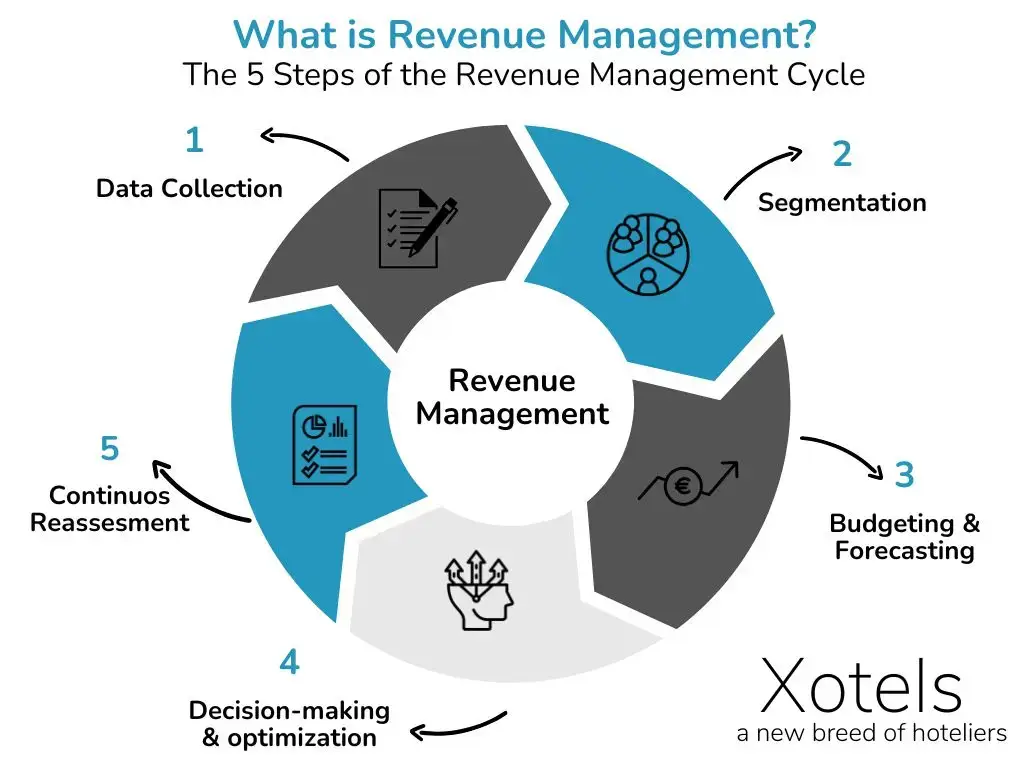
In today's fast-paced and competitive business landscape, revenue management has emerged as a crucial discipline that drives growth and profitability. It involves strategic pricing, inventory control, and demand analysis to maximize revenue. The hospitality industry, in particular, has been at the forefront of adopting revenue management practices, but its applications extend far beyond. A Master's degree in revenue management can equip professionals with the skills and knowledge to succeed in this field, opening doors to exciting career opportunities in hospitality, tourism, and other industries. Effective revenue management can make all the difference.

Unlocking the Power of Revenue Management: A Key to Success in Hospitality and Beyond
Revenue management is a crucial aspect of the hospitality industry, and having a Master's degree in this field can be a game-changer for professionals looking to advance their careers. At its core, revenue management involves strategic planning and analytical thinking to maximize revenue and profitability. This is achieved by analyzing market trends, understanding customer behavior, and optimizing pricing strategies.
Understanding the Fundamentals of Revenue Management
Revenue management is a multifaceted field that requires a deep understanding of business principles, economics, and statistics. It involves analyzing historical data, market trends, and customer behavior to forecast demand and optimize revenue. By leveraging data analytics and machine learning, revenue managers can identify opportunities to increase revenue and reduce costs. This is particularly important in the hospitality industry, where occupancy rates and average daily rates can have a significant impact on bottom-line performance.
The Role of Technology in Revenue Management
Technology plays a vital role in revenue management, enabling professionals to analyze large datasets, identify trends, and optimize pricing strategies. Revenue management systems (RMS) are specialized software solutions that help hotels and resorts manage their inventory, pricing, and distribution channels. By leveraging RMS, revenue managers can automate many tasks, streamline processes, and focus on strategic decision-making.
Key Performance Indicators (KPIs) in Revenue Management
In revenue management, key performance indicators (KPIs) are used to measure success and identify areas for improvement. Some common KPIs in revenue management include revenue per available room (RevPAR), average daily rate (ADR), and occupancy rate. By tracking these KPIs, revenue managers can benchmark their performance against industry standards and make data-driven decisions to optimize revenue.
Applications of Revenue Management Beyond Hospitality
While revenue management is closely associated with the hospitality industry, its principles and strategies can be applied to other industries as well. For example, airlines, car rental companies, and retailers can all benefit from revenue management techniques to optimize pricing, inventory, and distribution channels. By understanding customer behavior, analyzing market trends, and leveraging data analytics, businesses in various industries can maximize revenue and minimize costs.
Career Opportunities in Revenue Management
A Master's degree in revenue management can open up a range of career opportunities in the hospitality industry and beyond. Some potential career paths include revenue manager, director of revenue management, and strategic advisor. By developing strategic thinking, analytical skills, and industry knowledge, professionals can advance their careers and drive business success.
| Industry | Application of Revenue Management | Key Benefits |
|---|---|---|
| Hospitality | Optimizing pricing and inventory management | Increased revenue and profitability |
| Airlines | Dynamic pricing and yield management | Improved revenue and load factor |
| Retail | Optimizing inventory and pricing strategies | Increased sales and margin |
Why is revenue management important in the hospitality industry?
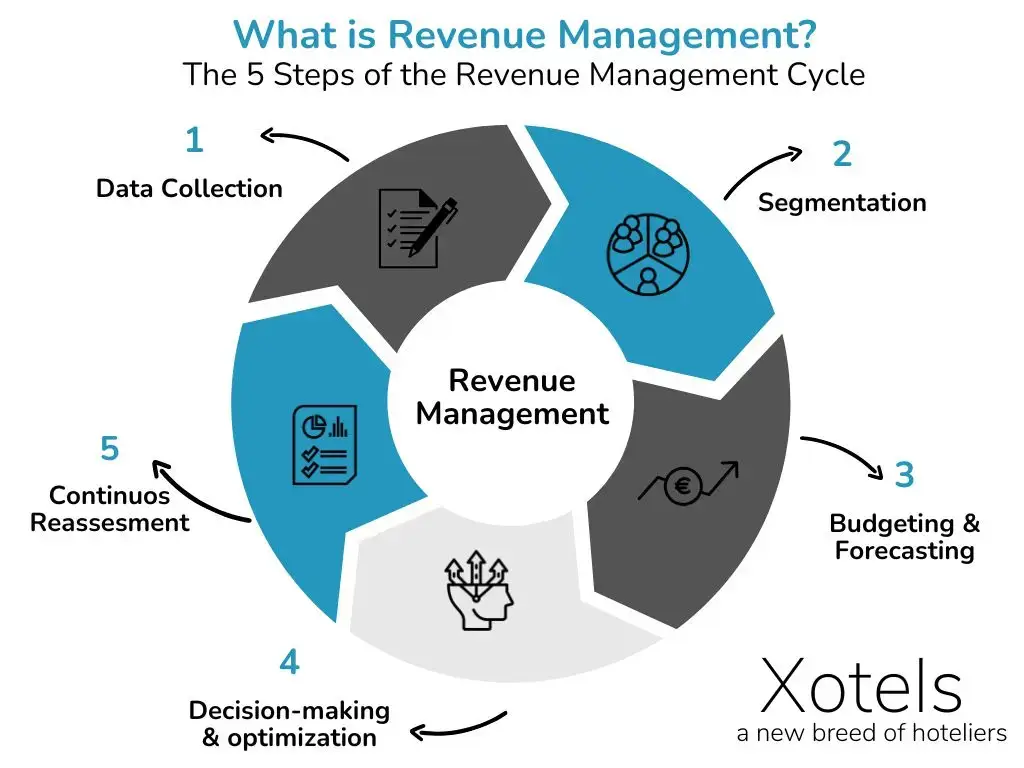
Revenue management is crucial in the hospitality industry as it enables hotels and other accommodations to optimize their pricing and inventory management to maximize revenue. Effective revenue management involves analyzing various factors such as demand, competition, and seasonality! to determine the optimal price for each room. By doing so, hotels can ensure that they are generating the highest possible revenue from their available rooms.
Maximizing Revenue through Dynamic Pricing
Maximizing revenue through dynamic pricing is a key aspect of revenue management in the hospitality industry. This involves adjusting room prices in real-time based on changes in demand and supply. Hotels can use various pricing strategies such as yield management and price elasticity to determine the optimal price for each room. Some of the key benefits of dynamic pricing include:
- Increased revenue through optimized pricing
- Improved occupancy rates through targeted pricing
- Enhanced competitiveness through real-time pricing adjustments
Analyzing Market Trends and Competitor Activity
Analyzing market trends and competitor activity is essential for effective revenue management in the hospitality industry. Hotels need to stay informed about market trends, competitor pricing, and customer behavior to make informed decisions about their pricing and inventory management. Some of the key market trends that hotels need to analyze include:
- Seasonal fluctuations in demand
- Special events and their impact on demand
- Economic trends and their impact on travel behavior
Implementing Revenue Management Systems and Technologies
Implementing revenue management systems and technologies is critical for hotels to optimize their revenue management strategies. These systems can help hotels to analyze large datasets, automate pricing decisions, and optimize inventory management. Some of the key benefits of implementing revenue management systems and technologies include:
- Improved accuracy and efficiency in pricing decisions
- Enhanced scalability and flexibility in revenue management
- Increased revenue and profitability through optimized pricing and inventory management
What is revenue in the hospitality industry?
Revenue in the hospitality industry refers to the income generated from various sources, including room sales, food and beverage sales, and other services such as spa treatments, parking, and laundry. This revenue is a crucial aspect of the industry, as it determines the profitability of a hotel, restaurant, or other hospitality business. The revenue streams in the hospitality industry are diverse and can vary depending on the type of establishment, its location, and the target market.
Types of Revenue in the Hospitality Industry
The hospitality industry generates revenue from various sources, including room sales, food and beverage sales, and other services. Some of the key types of revenue in the industry include:
- Room revenue, which is generated from the sale of hotel rooms and suites
- Food and beverage revenue, which is generated from the sale of food and drinks in restaurants, bars, and other food and beverage outlets
- Other revenue, which includes revenue from services such as spa treatments, parking, and laundry
These revenue streams are essential for the financial sustainability of hospitality businesses, and they must be carefully managed to ensure maximum profitability.
Revenue Management in the Hospitality Industry
Revenue management is a critical aspect of the hospitality industry, as it involves analyzing and optimizing revenue streams to maximize profitability. This involves using various techniques and strategies to manage room rates, occupancy levels, and other factors that affect revenue. Some of the key revenue management techniques used in the hospitality industry include:
- Dynamic pricing, which involves adjusting room rates in response to changes in demand
- Yield management, which involves managing room inventory to maximize revenue
- Revenue forecasting, which involves predicting future revenue to inform business decisions
Effective revenue management is essential for hospitality businesses to stay competitive and profitable in a rapidly changing market.
Challenges and Opportunities in Revenue Management
The hospitality industry faces various challenges and opportunities in revenue management, including changes in consumer behavior, advances in technology, and increased competition. Some of the key challenges and opportunities in revenue management include:
- Managing online travel agencies (OTAs) and other distribution channels to maximize revenue
- Using data analytics and other technologies to inform revenue management decisions
- Developing personalized marketing and loyalty programs to drive customer loyalty and revenue
By understanding these challenges and opportunities, hospitality businesses can develop effective revenue management strategies to drive growth and profitability.
What are the 7 core principles of revenue management?
The 7 core principles of revenue management are designed to help businesses maximize their revenue and minimize losses. These principles are crucial for companies to stay competitive in today's market. The core principles include pricing strategies, demand forecasting, inventory management, customer segmentation, revenue optimization, channel management, and performance analysis.
Understanding the Core Principles
The core principles of revenue management are essential for businesses to understand and implement effectively. By understanding these principles, companies can develop strategies to increase revenue and stay ahead of the competition. Some key aspects of these principles include:
- Identifying market trends and adjusting pricing strategies accordingly
- Using data analytics to forecast demand and optimize inventory
- Implementing customer relationship management systems to improve customer segmentation
Implementing Revenue Management Strategies
Implementing revenue management strategies requires a deep understanding of the core principles and how they interact with each other. By implementing these strategies, companies can increase revenue and improve their overall financial performance. Some key strategies include:
- Using dynamic pricing to adjust prices in response to changing market conditions
- Implementing yield management systems to optimize inventory and maximize revenue
- Developing customer loyalty programs to improve customer retention and increase revenue
Measuring and Optimizing Revenue Performance
Measuring and optimizing revenue performance is critical to the success of any revenue management strategy. By using key performance indicators (KPIs) and data analytics, companies can measure their revenue performance and identify areas for improvement. Some key metrics to track include:
- Revenue growth, which measures the increase in revenue over time
- Revenue per available unit, which measures the revenue generated per available unit of inventory
- Customer lifetime value, which measures the total value of a customer over their lifetime
Why is management important in the hospitality industry?

Management is crucial in the hospitality industry because it plays a vital role in ensuring the success and profitability of hotels, restaurants, and other establishments. Effective management enables these businesses to provide high-quality services, maintain customer satisfaction, and stay competitive in the market. In the hospitality industry, management involves overseeing daily operations, managing staff, and making strategic decisions to drive business growth.
Enhancing Customer Experience
Management is important in the hospitality industry because it helps to enhance the customer experience. This can be achieved by providing excellent service, maintaining high standards of cleanliness and hygiene, and ensuring that customers' needs are met. Some key ways to enhance customer experience include:
- Providing personalized service to make customers feel valued and appreciated
- Offering flexible services to cater to different customer needs and preferences
- Implementing feedback mechanisms to continuously improve services and address customer concerns
Improving Operational Efficiency
Management is also important in the hospitality industry because it helps to improve operational efficiency. This can be achieved by streamlining processes, reducing wastage, and optimizing resource allocation. Some key ways to improve operational efficiency include:
- Implementing technology solutions to automate tasks and improve productivity
- Developing standard operating procedures to ensure consistency and accuracy
- Conducting regular audits to identify areas for improvement and optimize resources
Driving Business Growth
Management is important in the hospitality industry because it helps to drive business growth. This can be achieved by developing strategic plans, identifying new opportunities, and making informed decisions. Some key ways to drive business growth include:
- Conducting market research to identify trends and opportunities
- Developing marketing strategies to attract new customers and retain existing ones
- Building strategic partnerships to expand reach and increase revenue
More information
What is Revenue Management and How Does it Apply to the Hospitality Industry?
Revenue management is a crucial aspect of the hospitality industry, focusing on maximizing revenue and profit through strategic pricing and inventory management. It involves analyzing market trends, consumer behavior, and competitor activity to determine the optimal price and availability of rooms, services, or other offerings. Effective revenue management enables hotels, restaurants, and other hospitality businesses to optimize their revenue streams, minimize losses, and stay competitive in a rapidly changing market. By leveraging data analytics and market intelligence, revenue managers can identify opportunities to increase yield, reduce discounts, and improve overall financial performance.
Why is a Master's Degree in Revenue Management Essential for a Career in Hospitality?
A Master's degree in revenue management is essential for a career in hospitality because it provides students with the advanced knowledge and skills required to succeed in this complex and dynamic field. Through a combination of theoretical foundations and practical applications, a Master's program in revenue management equips students with the expertise needed to analyze market trends, develop pricing strategies, and optimize revenue growth. Additionally, a Master's degree in revenue management offers a competitive edge in the job market, as it demonstrates a high level of expertise and commitment to the field. By pursuing a Master's degree in revenue management, individuals can enhance their career prospects, increase their earning potential, and achieve leadership roles in the hospitality industry.
What are the Key Skills and Knowledge Areas Required for a Career in Revenue Management?
The key skills and knowledge areas required for a career in revenue management include data analysis, market research, pricing strategy, inventory management, and financial management. Revenue managers must be able to collect and analyze data, identify trends, and develop forecasts to inform their pricing and inventory decisions. They must also have a deep understanding of the hospitality industry, including market dynamics, consumer behavior, and competitor activity. Furthermore, revenue managers need to be proficient in revenue management systems and software, such as property management systems and revenue management software. By possessing these essential skills and knowledge areas, revenue managers can drive revenue growth, optimize profitability, and achieve business objectives.
How Can a Master's in Revenue Management Open Up Career Opportunities Beyond the Hospitality Industry?
A Master's in revenue management can open up career opportunities beyond the hospitality industry because the skills and knowledge acquired through such a program are transferable to other industries. The analytical, strategic, and problem-solving skills developed through a revenue management program are highly valued in various sectors, including aviation, retail, healthcare, and finance. Additionally, the expertise in data analysis, market research, and financial management can be applied to consulting, business development, and marketing roles. By pursuing a Master's in revenue management, individuals can enhance their career flexibility, increase their job prospects, and achieve leadership roles in a variety of industries. Moreover, the networking opportunities and industry connections established through a Master's program can provide a lifetime of career benefits and professional growth.